Myrtle Essential Oil: A Practitioner’s Guide
Plant Part & Extraction
Steam distilled from the leaves and young stems of Myrtus communis (commonly known as myrtle), with origins and cultivation across Mediterranean regions, North Africa, and the Middle East. This specific chemotype is also cultivated in areas such as Austria for therapeutic use.
Myrtle essential oil has a fresh, green, slightly camphoraceous and softly sweet herbal aroma. It is considered a balancing oil for both respiratory and endocrine-related traditional applications.
Properties of Myrtle Essential Oil
Traditionally described as:
Antibacterial
Anti-inflammatory
Anti-parasitic
Antiseptic
Astringent
Expectorant
Decongestant
Deodorizing
Nervine (traditional use)
Tonic
Traditionally recognized for:
respiratory system support and clearing
immune system stimulation (traditional use)
skin purification and oil balancing
lymphatic and mucosal support
gentle endocrine system regulation concepts (traditional systems)
calming inflammatory responses
supporting elimination pathways (lungs, skin, urinary tract)
Aromatic & Emotional Benefits of Myrtle Essential Oil
Aromatically, Myrtle is traditionally associated with:
emotional elevation and light euphoria
calming anger and emotional irritation
restoring emotional balance and patience
supporting gentle clarity of mind
soothing emotional congestion and tension
promoting peaceful emotional release
encouraging heart-centered calm and stability
It is often described as an oil that “softens emotional heat while restoring clarity and calm.”
Common Uses for Myrtle Essential Oil
Traditionally used for:
coughs, flu, and respiratory infections
asthma and bronchial congestion
sinusitis and nasal congestion
hypothyroid (low thyroid) support concepts (traditional systems)
cystitis and urinary tract discomfort (traditional use)
diarrhea and dysentery (digestive regulation support)
flatulence and digestive imbalance
hemorrhoids (astringent support)
acne, blemishes, oily skin, and psoriasis (topical diluted use)
bruises and skin inflammation
immune system support in infections
pulmonary disorders and mucus congestion
insomnia and nervous tension
Additional traditional applications include:
ovarian and hormonal balancing concepts (traditional French aromatherapy systems)
prostate decongestion support (traditional use)
ureter and urinary tract support
tuberculosis support concepts in historical herbal medicine systems
French Medicinal Aromatherapy Uses
In traditional French medical aromatherapy, Myrtle has been used for:
bronchitis and chronic cough
flu and respiratory infection support
sinus infections and congestion
hypothyroidism support concepts
insomnia and nervous imbalance
ovarian hormone-like regulatory effects (traditional observation)
prostate congestion support
urinary tract infections (ureter/bladder pathways)
pulmonary disorders including chronic respiratory weakness
Historical & Cultural Uses
Myrtus communis has a deep and symbolic history across Mediterranean civilizations:
Likely native to the Mediterranean basin, North Africa, and the Middle East
Sacred plant in ancient Greek mythology, closely associated with Aphrodite (goddess of love and beauty)
Used in Roman culture as a symbol of love, fertility, and purification
Roman women wore myrtle wreaths and bathed in myrtle-infused water
Associated with bridal traditions across Europe for centuries
Became part of royal wedding traditions in Britain, continuing through modern royal ceremonies (including Queen Victoria, Queen Elizabeth II, Diana, and Kate Middleton)
In Hebrew tradition, known as Hadassah, the birth name of Queen Esther, symbolizing protection and identity
Myrtle has long represented love, purification, protection, and sacred feminine energy in cultural and spiritual traditions.
Esoteric & Energetic Uses
Astrological Association
Venus and Mercury (love, harmony, communication, emotional balance)
Character
Yang with strong Yin (balanced activation and receptivity)
Element
Water (emotion, purification, flow)
Chakra Association
7th Chakra — Crown (spiritual connection, unity, higher awareness)
Myrtle is traditionally associated with:
spiritual purification and alignment
emotional cleansing and calming of anger
restoring inner harmony and balance
supporting meditation and higher awareness states
softening emotional rigidity and tension
reconnecting to a sense of peace and spiritual clarity
It is often considered both a “heart-soothing” and “spirit-lifting” oil, bridging emotional and spiritual balance.
Contraindications
Not recommended for children under 6
Use caution with children over 6 (low dilution only)
Use caution in pregnancy (professional guidance recommended)
Always dilute before topical application
Avoid internal use unless under qualified supervision (system-dependent)
Practitioner Notes
Myrtle essential oil is widely used for:
respiratory blends (cough, sinus, bronchial congestion)
immune-supportive aromatic formulations
skin-clearing and balancing blends for oily or inflamed skin
emotional calming and anger-release blends
hormonal balance support formulations (traditional systems)
meditation and spiritual grounding practices
urinary and lymphatic support blends
It is often valued for its dual action: gently stimulating respiratory clearing while simultaneously calming emotional irritation.
Source References
Reference Guide for Essential Oils — Connie and Alan Higley
traditional Greek and Roman mythological and botanical records
historical European royal and bridal traditions
traditional Mediterranean, Middle Eastern, and Hebrew herbal practices
Healing Drops Wellness Myrtle Blends:
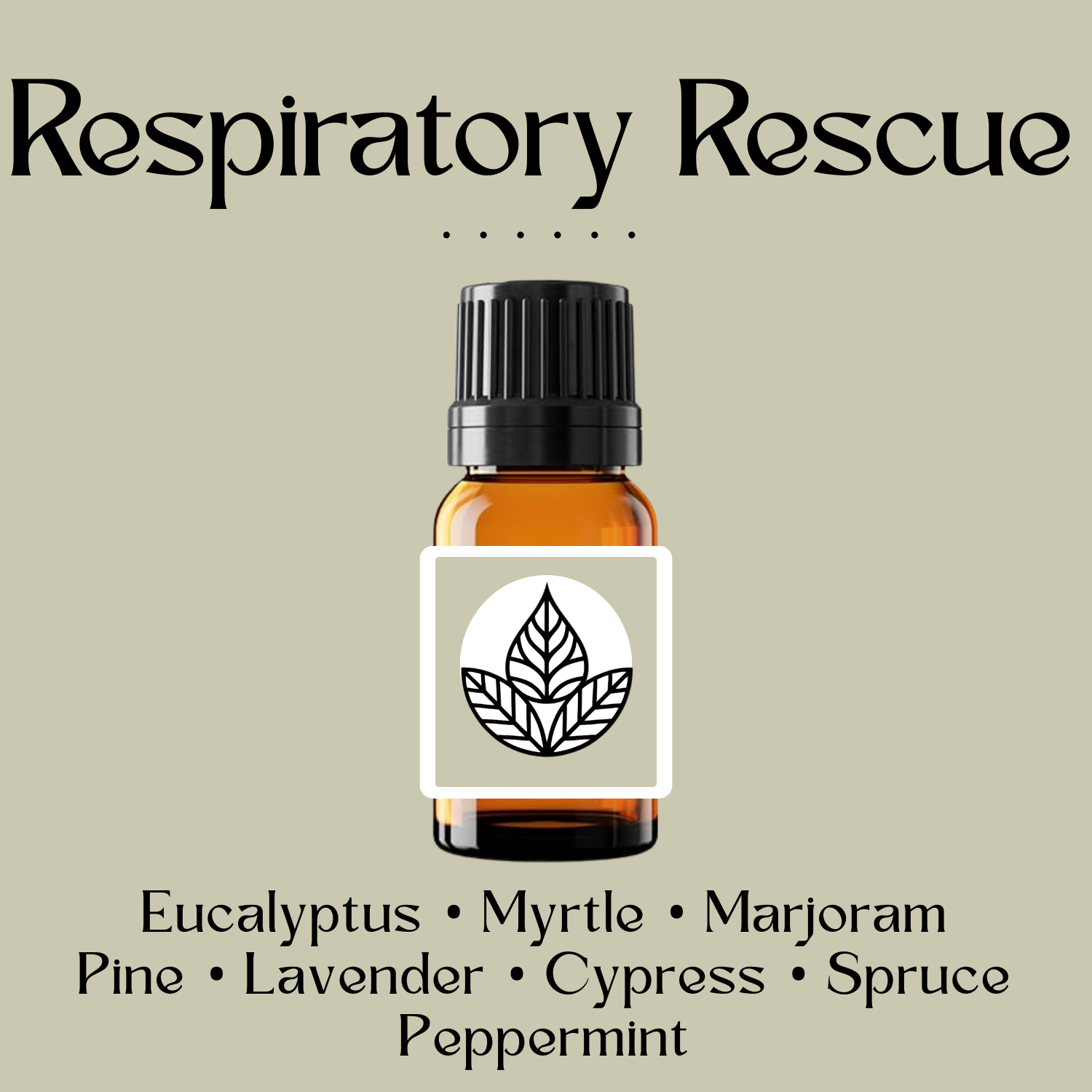
Breathe easier with Respiratory Rescue. Formulated by a naturopathic doctor to support lungs, relieve sinus issues, and soothe symptoms of allergies, flu, bronchitis, and more. Apply to chest and temples for natural relief.
3 Eucalyptus used: globulus, citriodora, radiata
Formerly called 3 Eucalyptus Lung.
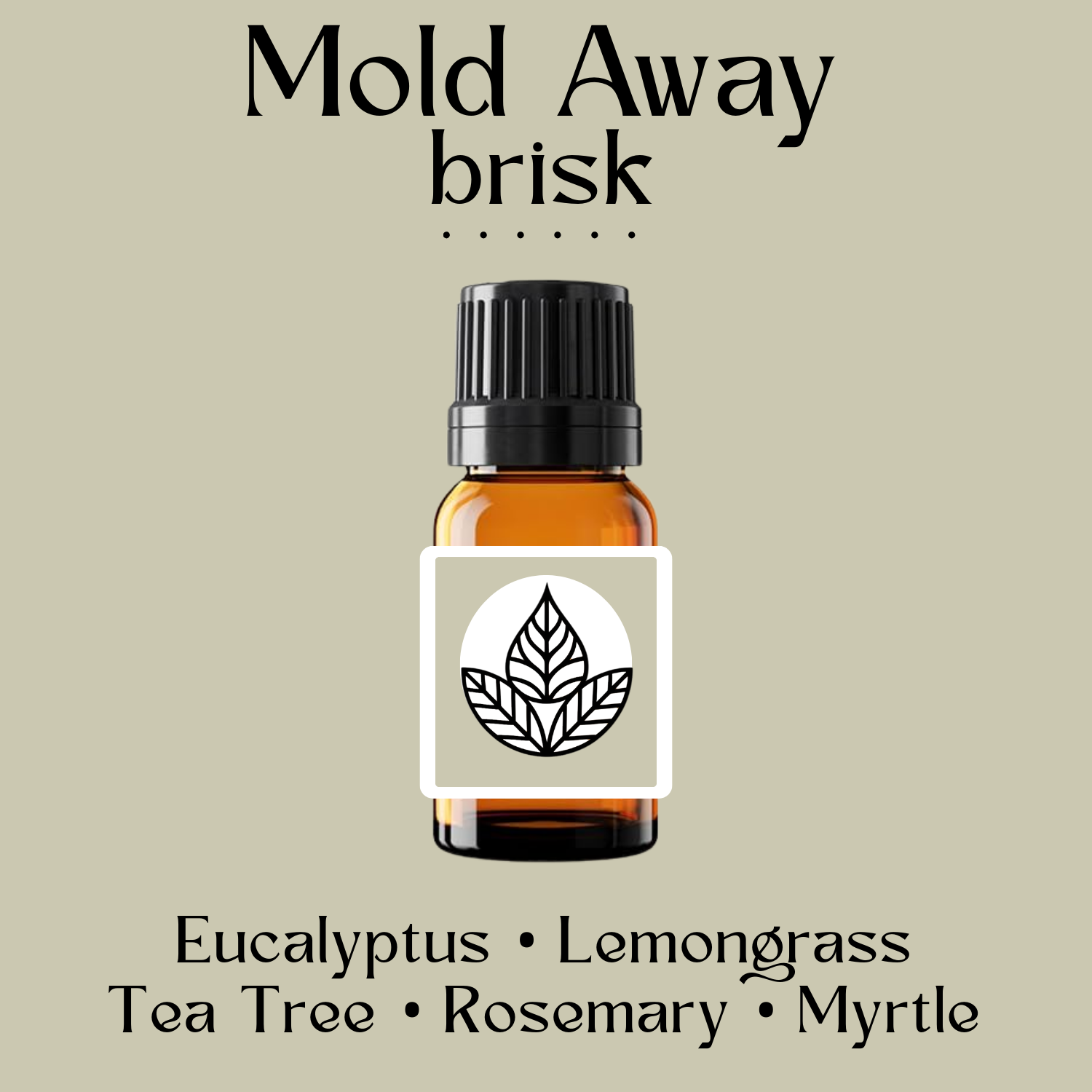
This effective blend targets mold in your home, with a bright, fresh aroma. Apply to A/C filters, diffuse in your home or office, or mix with water for a spray.
In addition to mold removal, it helps fight odors, anaerobic bacteria, and mildew, repels insects, and minimizes reactions from bites by spiders or bees. It is also effective against candida albicans (body fungus or yeast infections).
Apply 2 drops to the body as needed, up to once per hour. Use a carrier oil for sensitive skin or for broader application.
Formerly called Anti-Mold #2
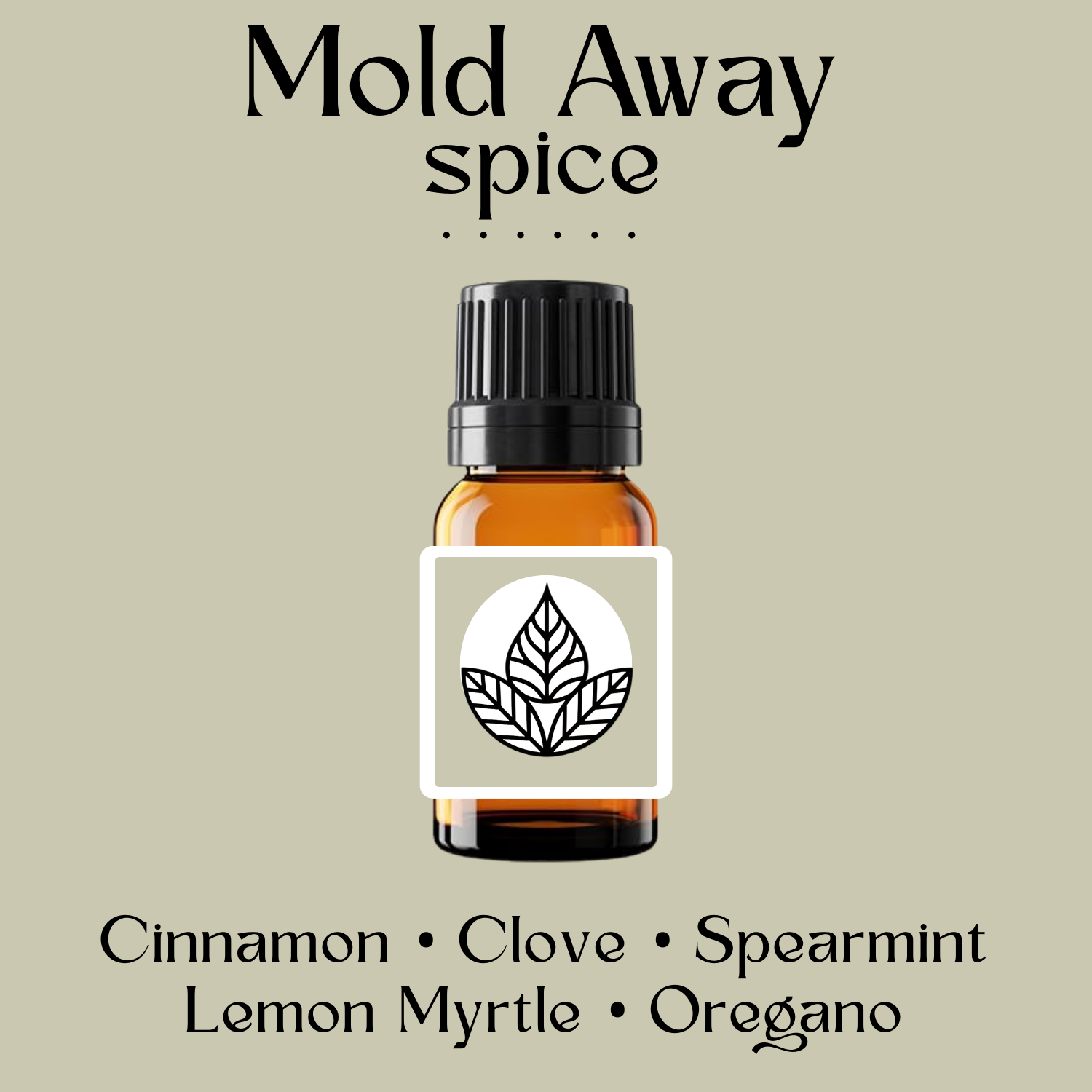
This potent blend is designed to help eliminate mold in your home, with a warm, spicy aroma. Use it on A/C filters, diffuse in your office or living space, or dilute in water as a spray.
It also helps neutralize odors, combat anaerobic bacteria and mildew, repel insects, and reduce the effects of insect bites from spiders and bees. Additionally, it is effective against candida albicans (body fungus or yeast infections).
Apply 2 drops to the body as needed, up to once per hour. Use a carrier oil for sensitive skin or to cover larger areas.
Formerly called Anti-Mold #1
Note: Lemon Myrtle essential oil is very different from Myrtle essential oil in both aroma and properties. It is not currently listed on the website but is available upon request via email.
Follow the Thread below to view previous Single Oil Spotlight Articles: