Marjoram Essential Oil: A Practitioner’s Guide
Plant Part & Extraction
Steam distilled from the flowering tops and aerial parts of Origanum majorana (sweet marjoram).
Marjoram essential oil has a warm, herbaceous, slightly sweet and balsamic aroma. It is traditionally regarded as one of the most calming and nervine-supportive oils in classical herbal and aromatherapy systems.
Properties of Marjoram Essential Oil
Traditionally described as:
Antibacterial
Antiseptic
Anti-infectious
Antispasmodic
Arterial vasodilator (traditional use)
Digestive stimulant
Diuretic
Expectorant
Sedative (nervous system calming)
Tonic
Nervine (traditional classification)
Traditionally recognized for:
calming muscle tension and involuntary spasms
nervous system regulation and relaxation
digestive ease and intestinal support
respiratory support and expectoration
circulatory and vascular relaxation
hormonal and menstrual comfort (traditional use)
general emotional soothing and stabilization
Aromatic & Emotional Benefits of Marjoram Essential Oil
Aromatically, Marjoram is traditionally associated with:
deep relaxation and nervous system calm
promoting restful sleep and peace
easing emotional tension and insecurity
supporting emotional “softening” during stress
encouraging feelings of safety and grounding
relieving mental overactivity and anxiety patterns
supporting emotional transition and transformation
In classical symbolism, Marjoram has been associated with both love and mourning, representing emotional transition and the movement through psychological “death and rebirth” states.
Common Uses for Marjoram Essential Oil
Traditionally used for:
muscle tension and spasms
headaches and migraine support
anxiety and nervous agitation
boils, bruises, burns, and skin irritations (diluted topical use)
respiratory congestion and colds
cold sores and viral-type skin issues (traditional use)
fungal and ringworm-type conditions (traditional topical use)
menstrual cramps and hormonal discomfort
digestive cramps and colic
water retention
tension-related insomnia
shock and emotional distress support
Additional traditional applications include:
supporting parasympathetic nervous system tone
regulating blood pressure tendencies (traditional systems)
easing neuralgia and nerve-related pain
supporting joint and rheumatic discomfort
muscle sprains and physical strain recovery
French Medicinal Aromatherapy Uses
In traditional French aromatherapy practice, Marjoram has been used for:
arthritis and rheumatism support
bronchitis and respiratory congestion
constipation and digestive sluggishness
intestinal peristalsis regulation
cramp relief (muscular and menstrual)
insomnia and sleep support
migraine and headache relief
neuralgia and nerve pain
muscular pain and tension
parasympathetic nervous system regulation (toning effect)
blood pressure balancing concepts (traditional use)
sprain and strain recovery support
Historical & Cultural Uses
Marjoram (Origanum majorana) has a long history in Mediterranean and Middle Eastern herbal traditions:
Recorded in the Ebers Papyrus (circa 1550 BCE), one of the oldest medical texts, containing hundreds of ancient remedies
Used by ancient Egyptians in medicinal and ritual preparations
In Greek and Roman cultures, associated with joy, love, and transition rituals
Worn as garlands for couples and used in ceremonial blessings
Traditionally believed to bring happiness to the deceased when growing on graves
Widely used in medieval Europe for aromatic “strewing herbs” in homes
Used in early perfumery, washing waters, sachets, and aromatic powders
Historically used in brewing and preservation of beverages before hops became standard
Cultivated and dried in European cottage traditions for herbal teas
The plant was also used historically for aromatic cleaning, fragrance, and textile dyeing (though the dye was not highly stable).
Esoteric & Energetic Uses
Astrological Association
Mercury and Venus (communication, harmony, emotional balance)
Character
Yang (gentle activating, regulating energy)
Element
Air and Water (mental clarity + emotional flow)
Number
9 (completion, integration, transformation)
Chakra Associations
4th Chakra — Heart Chakra (love, safety, emotional openness)
3rd Chakra — Solar Plexus (self-image, emotional resilience)
Marjoram is traditionally associated with:
emotional comfort during grief or transition
restoring feelings of safety and support
easing emotional disconnection or insecurity
calming nervous overactivity and emotional overwhelm
supporting heart-centered emotional integration
gentle transformation through emotional release
It is often described as an oil of “emotional warmth and nervous system peace.”
Contraindications
Not recommended for children under 6
Use caution with children over 6 (low dilution only)
Use caution during pregnancy (professional guidance recommended)
Always dilute before topical application
Avoid excessive use in sensitive individuals due to sedative effects
Practitioner Notes
Marjoram essential oil is widely used for:
muscle spasm and cramp blends
sleep and relaxation formulations
menstrual comfort and hormonal support blends
anxiety and emotional stress relief protocols
digestive cramp and colic blends
respiratory calming and tension release
trauma and shock recovery support (traditional aromatic use)
It is often considered one of the most effective “relaxing nerve oils” in classical aromatherapy systems, especially for physical tension linked to emotional stress.
Source References
Reference Guide for Essential Oils — Connie and Alan Higley
botanical.com (historical herbal records)
Ebers Papyrus (ancient Egyptian medical text)
traditional Greek, Roman, and Mediterranean herbal practices
classical European herbal and aromatherapy literature
Healing Drops Wellness Marjoram Blends:
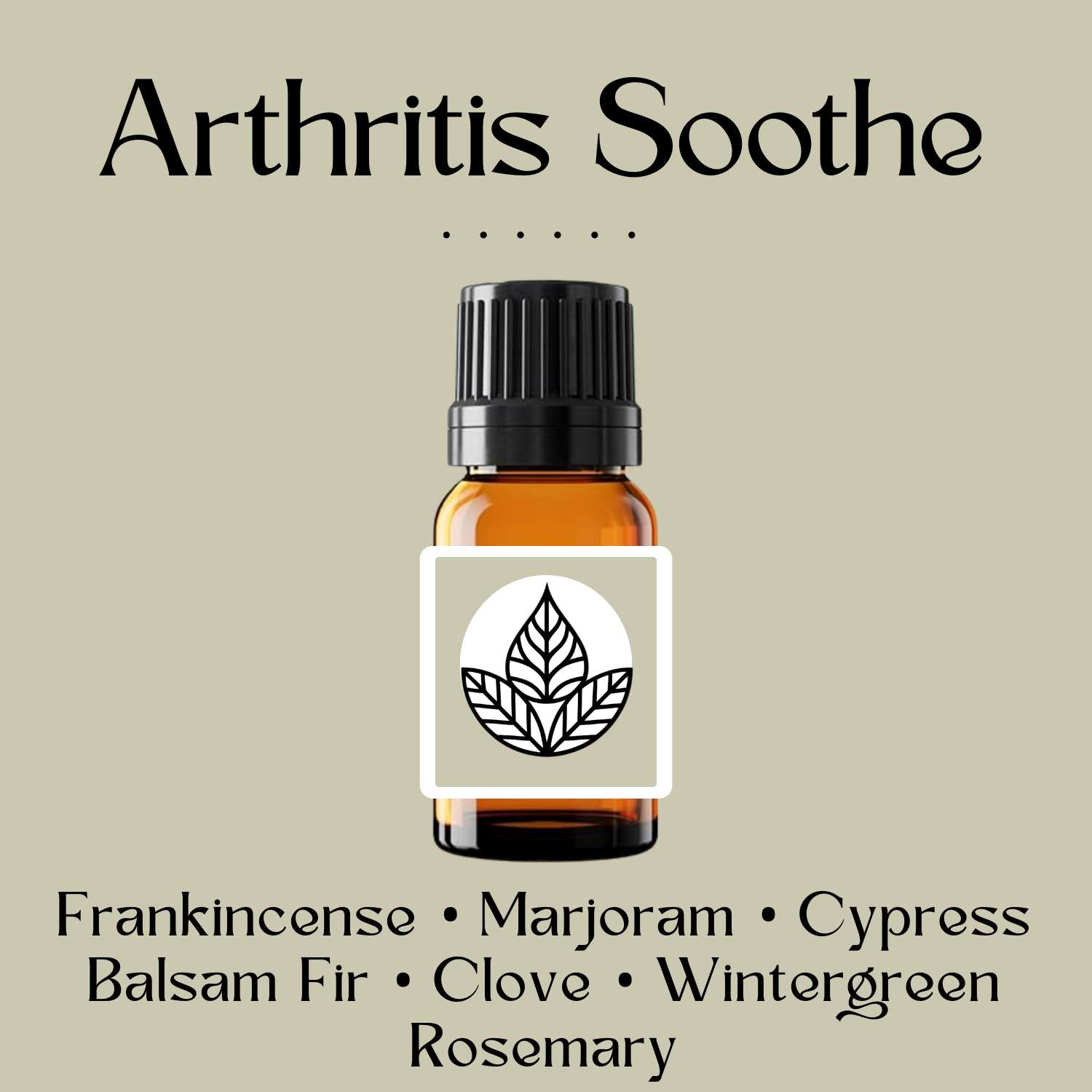
This targeted blend is formulated to help support the breakdown of uric acid buildup, which may ease inflammation, swelling, and stiffness. It also promotes oxygenation and supports the regeneration of stressed or damaged tissue.
Apply 1–2 drops to the affected area as needed, up to once per hour. Dilute with a carrier oil if needed for sensitive skin or to cover a larger area.
Formerly called Arthritis Relief
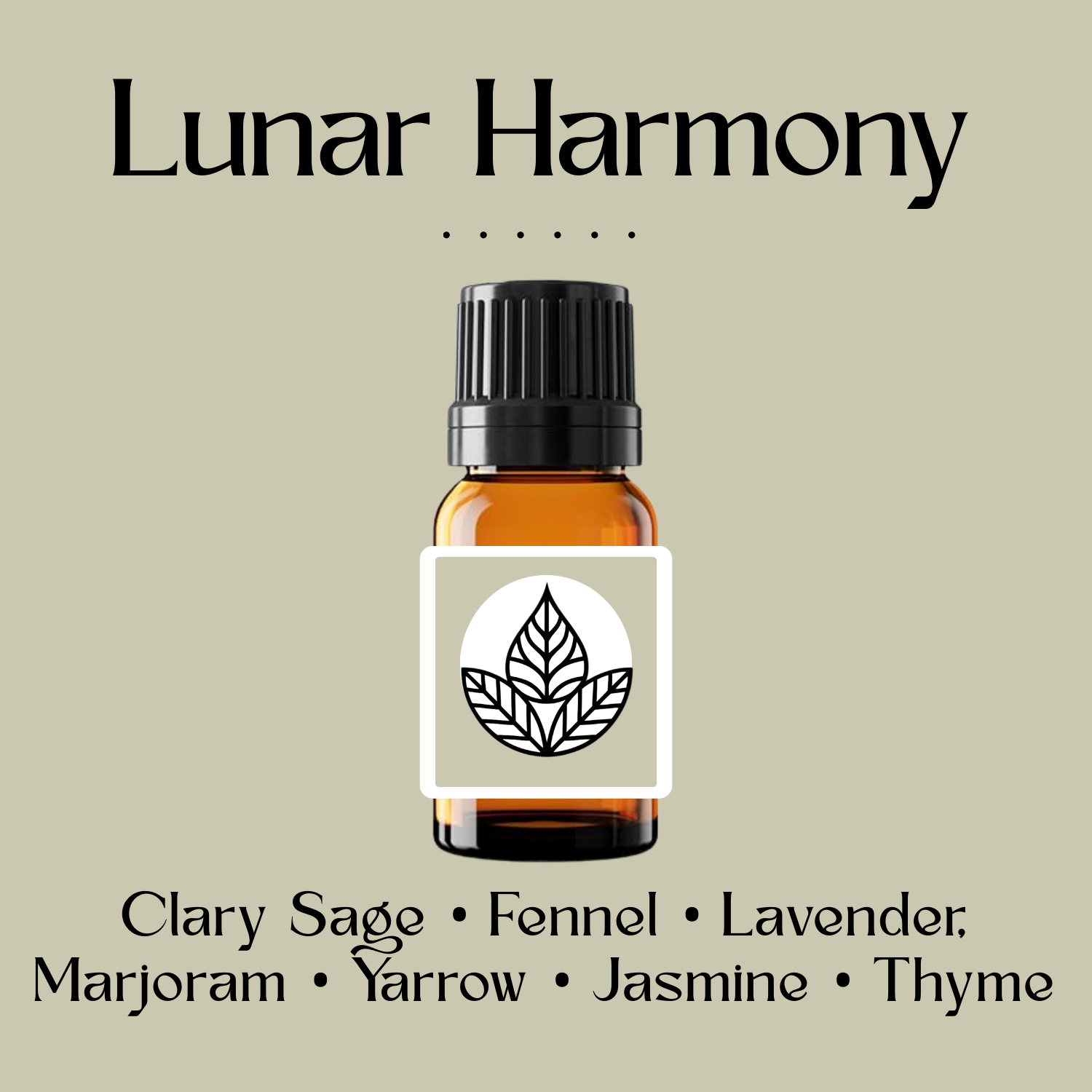
This blend supports hormonal balance, eases cramping, and overall reproductive wellness.
Helps clear petrochemicals from cell walls and supports PMS, pre- and peri-menopause, and prostate health. Apply 1 drop to the inside and outside of each ankle; for PMS, apply to temples.
Formerly called Moon Cycle
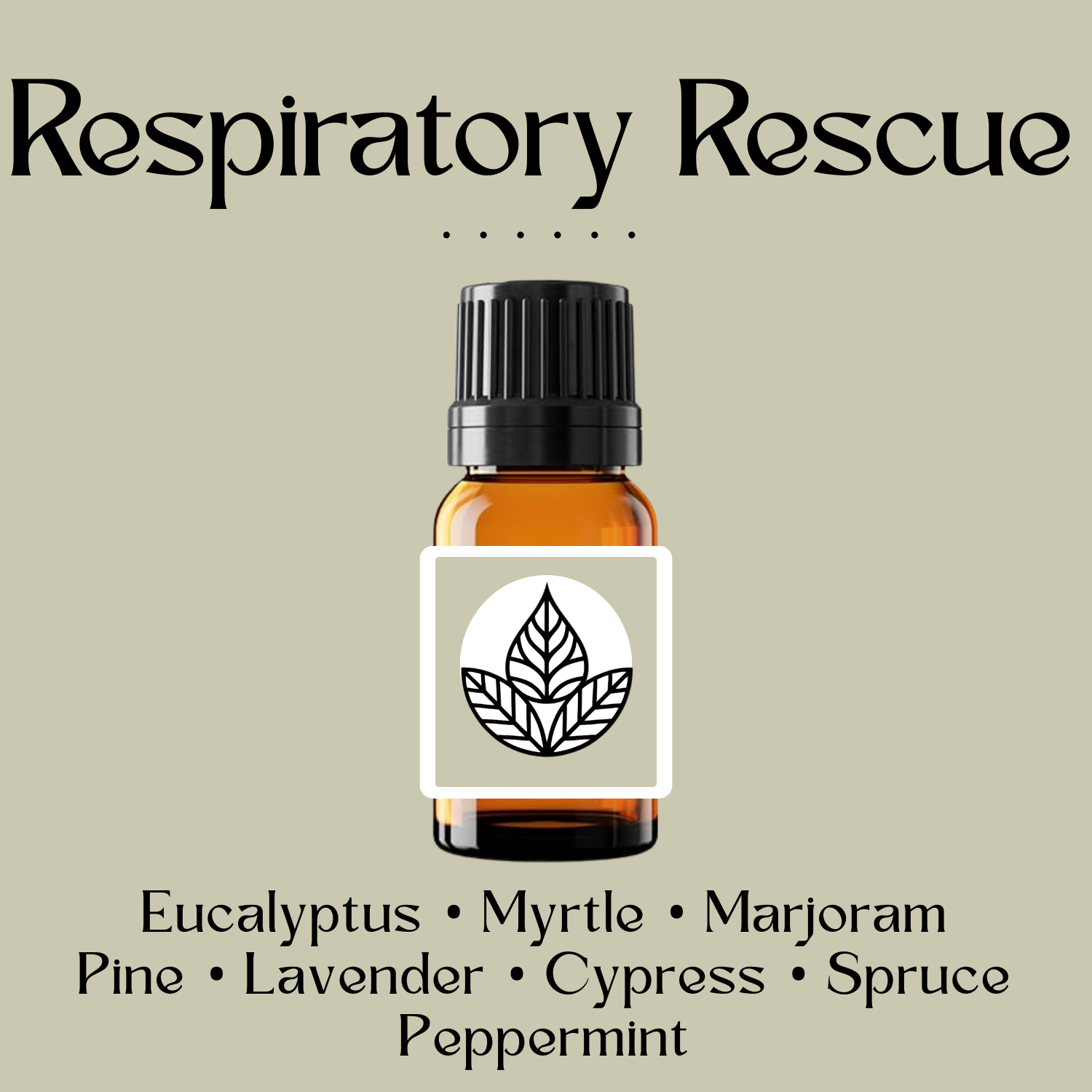
Breathe easier with Respiratory Rescue. Formulated by a naturopathic doctor to support lungs, relieve sinus issues, and soothe symptoms of allergies, flu, bronchitis, and more. Apply to chest and temples for natural relief.
3 Eucalyptus used: globulus, citriodora, radiata
Formerly called 3 Eucalyptus Lung.
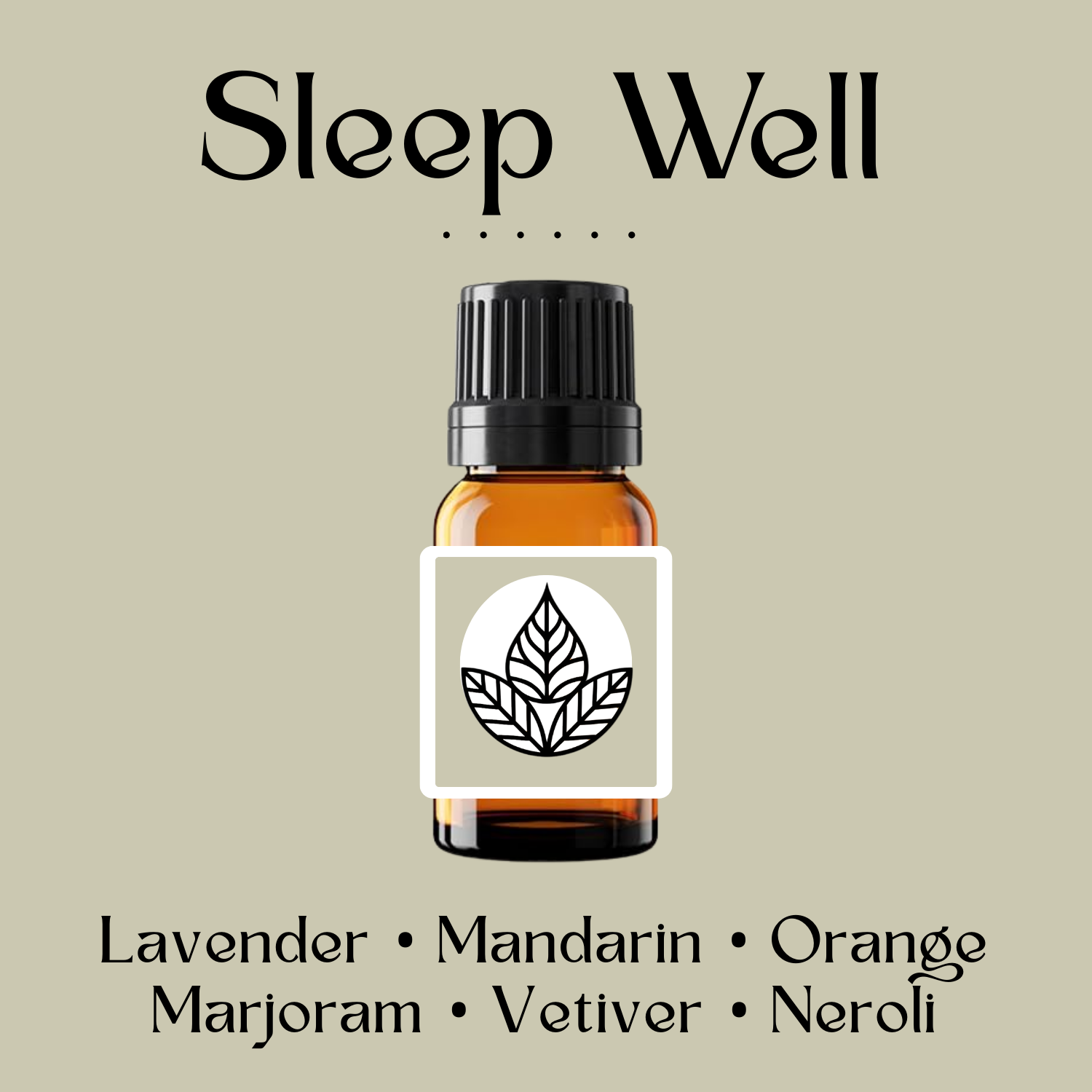
This soothing blend is designed to promote deep relaxation and support restful sleep.
Apply 1–2 drops, neat or diluted with a carrier oil, to the temples, under the nose, and the brain stem (upper back of the neck) about an hour before bed or right before sleeping.
Formerly called Insomnia
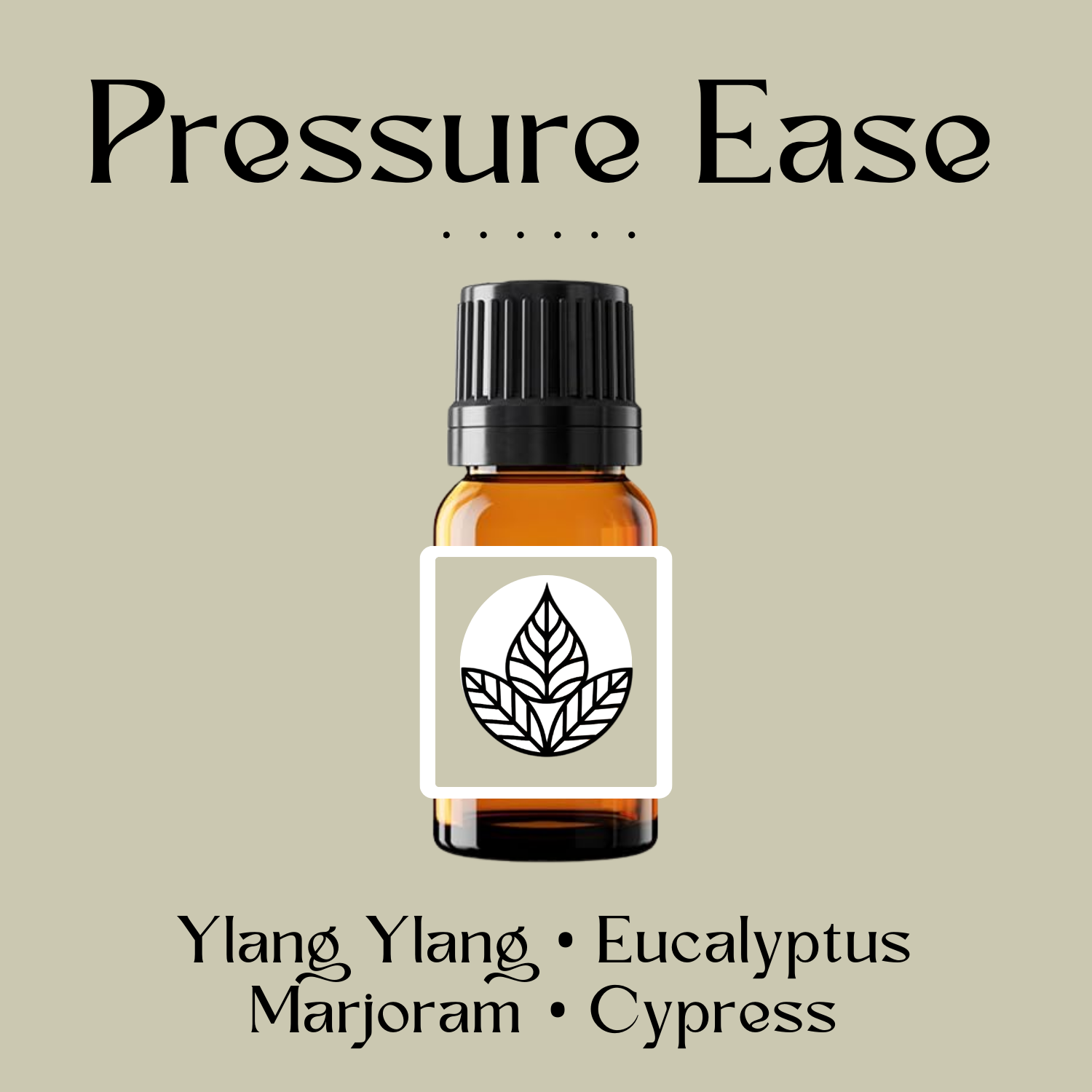
This blend is formulated to support healthy blood pressure levels and promote a calming effect.
Apply 1–2 drops to the heart area, left ring finger, left ring toe, and neck. If the aroma is strong, apply to ankles or feet instead. Reapply every hour as needed, or diffuse for aromatic support. Always monitor your blood pressure while using.
Formerly called Blood Pressure Relief
Follow the Thread below to view previous Single Oil Spotlight Articles: