Myrrh Essential Oil: A Practitioner’s Guide
Plant Part & Extraction
Steam distilled (or solvent extracted in some commercial preparations of resin) from the hardened oleo-gum resin of Commiphora myrrha.
Myrrh essential oil is a deep, resinous, earthy, and slightly bitter aromatic oil with a long-standing role in ancient healing systems, ritual practices, and topical skin care traditions.
It is closely associated with frankincense in both geographical origin and historical use.
Properties of Myrrh Essential Oil
Traditionally described as:
Anti-infectious
Anti-inflammatory
Antiseptic
Antioxidant (traditional research support)
Anti-tumor (preliminary/experimental findings in modern research contexts)
Astringent
Tonic
Vulnerary (traditional wound-supporting classification)
Traditionally recognized for:
skin regeneration and tissue repair support
immune system support (traditional use)
respiratory tract support
oral and gum health support
digestive system calming
lymphatic and mucosal tissue support
endocrine balance concepts (traditional systems)
Aromatic & Emotional Benefits of Myrrh Essential Oil
Aromatically, Myrrh is traditionally associated with:
grounding and emotional stabilization
processing grief, sorrow, and loss
supporting emotional resilience during trauma
deepening introspection and spiritual reflection
calming emotional overwhelm
supporting acceptance and transition through change
strengthening inner stillness and contemplation
It is often described as an oil of “deep emotional grounding and sacred reflection.”
Common Uses for Myrrh Essential Oil
Traditionally used for:
dry, cracked, aging, or damaged skin
eczema and dermatitis (diluted topical use)
fungal infections (e.g., athlete’s foot, ringworm)
oral health: gingivitis, gum infections, mouth ulcers
respiratory support: bronchitis, asthma, coughs, mucus
digestive issues: flatulence, dysentery (traditional use)
hemorrhoids (topical diluted applications)
wound healing and skin repair
stretch marks and scar support
sore throats and mucosal irritation
ulcers (traditional internal/external systems vary)
prostate and urinary tract support concepts (traditional use)
viral and bacterial skin conditions (traditional topical use)
Additional traditional applications include:
immune system strengthening concepts
mucous membrane regeneration support
skin barrier restoration
respiratory clearing and soothing
Modern research has explored myrrh’s potential antimicrobial and anti-inflammatory activity, with some preliminary studies suggesting analgesic and lipid-modulating effects.
Historical & Cultural Uses
Myrrh (Commiphora myrrha) has one of the oldest recorded histories of any aromatic resin:
Used for over 5,000 years in religious rituals, embalming, and medicine
Native to regions of the Middle East and North Africa
Highly valued in ancient Egyptian embalming and temple rituals
Used in ancient Greek and Roman medicine for wound care, oral health, and infections
Mentioned throughout biblical texts (Exodus, Numbers, Leviticus, Matthew, Revelation)
One of the gifts presented to Jesus in the Nativity narrative, alongside frankincense and gold
Used extensively in Chinese and Ayurvedic medicine for circulation and trauma support
Major trade commodity in ancient incense and spice routes
Historical records indicate extremely high demand:
Roman Empire reportedly consumed massive quantities of frankincense and myrrh annually for ritual and medicinal use
Myrrh and frankincense were both considered sacred substances used for purification, healing, and spiritual connection.
Esoteric & Energetic Uses
Astrological Association
Saturn, Jupiter, and Sun (structure, expansion, illumination)
Character
Yang (hot, drying, purifying energy)
Element
Water (emotional depth, purification, transition)
Number
5 (change, transformation, spiritual growth)
Crystal Associations
Hematite (grounding, protection)
Red Garnet (life force, strength)
Pearl (purity, emotional healing)
Chakra Associations
1st Chakra — Root (safety, grounding)
2nd Chakra — Sacral (emotional processing, release)
7th Chakra — Crown (spiritual connection, transcendence)
Myrrh is traditionally associated with:
grieving and emotional processing of loss
deep spiritual contemplation and surrender
connection to cycles of death and rebirth
grounding during emotional or spiritual transformation
sacred ritual purification and protection
strengthening inner resilience during hardship
It is often considered a “threshold oil,” used during transitions—emotional, spiritual, or physical.
Contraindications
Not recommended for children under 6
Use caution with children over 6 (low dilution only)
Use caution during pregnancy (professional guidance recommended)
Avoid internal use unless under qualified supervision (varies by system)
May cause skin irritation if used undiluted
Practitioner Notes
Myrrh essential oil is widely used for:
skin regeneration and scar repair blends
oral care formulations (gums, mouth ulcers, gingivitis)
respiratory and mucosal support blends
emotional grief and trauma support aromatics
sacred ritual and meditation practices
immune-supportive topical formulations (traditional systems)
chronic skin condition support blends
It is often paired with frankincense in both traditional and modern aromatherapy due to their complementary energetic and therapeutic profiles.
Research & Traditional Commentary
Modern research has begun to investigate traditional uses of myrrh and frankincense:
Historical and archaeological evidence confirms widespread medicinal use in antiquity for inflammation and infection-related conditions
Some contemporary studies suggest anti-inflammatory and analgesic potential in frankincense compounds
Myrrh has been investigated for antimicrobial and lipid-related activity in preliminary research contexts
As noted in historical analysis, both substances were considered medicinal in ancient systems as well as ritual incense materials, bridging the overlap between spiritual and therapeutic traditions.
Source References
Reference Guide for Essential Oils — Connie and Alan Higley
history.com (Frankincense and Myrrh historical overview and modern research commentary)
organicfacts.com (traditional and ethnobotanical summaries)
Smithsonian Institution / Institute for the Preservation of Medical Traditions (Alain Touwaide, historical medicinal use documentation)
biblical texts (Exodus, Numbers, Leviticus, Matthew, Revelation)
traditional Egyptian, Greek, Roman, Chinese, and Ayurvedic medical records
Healing Drops Wellness Myrrh Blends:

A luxurious, skin-rejuvenating blend designed to restore radiance, smooth the appearance of fine lines, and support healthy skin renewal. This nourishing formula hydrates, calms inflammation, and enhances overall skin vitality.
Apply one drop to your favorite moisturizer and massage into the face, neck, and chest. Helps soothe sun-exposed skin and reduce the appearance of scarring and sun spots. Many of these oils block UV rays. May be used on other areas of the body.
Formerly called Anti-Wrinkle

A biblical, high-frequency blend inspired by ancient anointing traditions. Connects you to both the natural and spiritual realms—invoking grounding, reverence, and divine wisdom. Ideal for meditation, prayer, or energetic alignment. Apply to the body or diffuse to create a deeply spiritual atmosphere and enhance meditation or reflection.
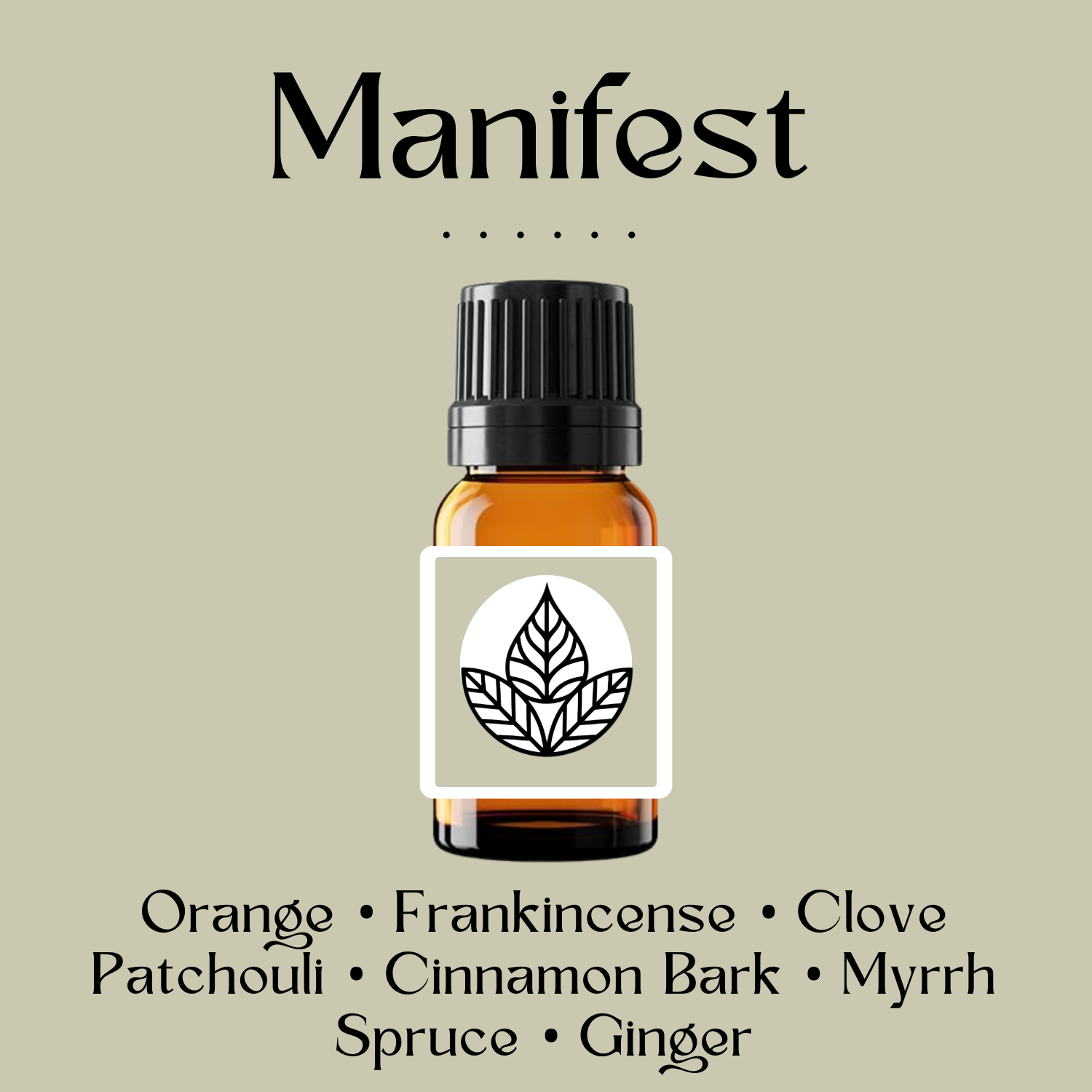
A high-vibration blend with an aphrodisiac scent that attracts abundance—spiritually, physically, and financially. Antiviral and energetically amplifying, it can be applied to personal items to enhance your intentions.
Formerly called Law of Attraction

A deeply grounding blend for inner vision and multidimensional healing—physical, emotional, and spiritual. Root & Resin helps clear chaotic cellular memory, restore energetic balance, and strengthen your connection to Source and self.
Formerly called Deep Dark Bark
Follow the Thread below to view previous Single Oil Spotlight Articles: