
Mandarin Essential Oil: A Practitioner’s Guide
Plant Part & Extraction
Cold pressed (expression) from the fresh peel of Citrus reticulata (mandarin orange).
Mandarin essential oil is one of the gentlest citrus oils, with a soft, sweet, fruity, and slightly floral aroma. It is widely valued in aromatic traditions for emotional soothing, nervous system calming, and gentle digestive support.
It is considered especially suitable in family-oriented aromatherapy practices due to its mild nature.
Properties of Mandarin Essential Oil
Traditionally described as:
Antifungal
Antiseptic
Antispasmodic
Digestive
Sedative (nervous system calming)
Stimulant (gentle digestive and lymphatic stimulation)
Tonic
Nervine (traditional use)
Traditionally recognized for:
calming the nervous system
supporting digestive comfort
easing muscle and intestinal tension
lymphatic stimulation (gentle)
skin toning and restorative support
emotional balancing and mood support
Aromatic & Emotional Benefits of Mandarin Essential Oil
Aromatically, Mandarin is traditionally associated with:
promoting happiness and emotional lightness
calming restlessness and nervous tension
supporting sleep and relaxation
easing anxiety and emotional overwhelm
restoring a sense of safety and comfort
uplifting mild depressive states
encouraging gentle emotional release
It is often described as an oil that “softens emotional edges and restores calm joy.”
Common Uses for Mandarin Essential Oil
Traditionally used for:
acne and skin congestion (diluted topical use)
digestive discomfort and dyspepsia (upset stomach)
intestinal imbalance and cramping
fluid retention (gentle lymphatic support)
liver and hepatic duct support concepts (traditional systems)
hiccups and spasmodic tension
insomnia and sleep difficulty
nervous tension and restlessness
stretch marks (often blended with other oils such as lavender, frankincense, sandalwood, or jasmine)
mild obesity and metabolic sluggishness (traditional use)
skin tone improvement, scars, and spots (diluted use)
Additional traditional applications include:
calming children and sensitive individuals
gentle emotional grounding during stress
supporting relaxation in pregnancy-safe aromatic traditions (with proper dilution)
Historical & Cultural Uses
Mandarin (Citrus reticulata) has a long cultivation history in China, spanning approximately 4,000 years.
Key historical notes:
Native to China and one of the oldest cultivated citrus fruits
Named after imperial Chinese “Mandarins,” whose robes matched the fruit’s color and whose hat ornaments resembled its shape
In T’ang dynasty China (618–907 AD), mandarin fruiting in imperial gardens was seen as a sign of auspicious blessing
Early botanical distinction between red and yellow mandarin varieties appears in Chinese records around the 3rd–4th century AD
Spread from China into India, Japan, and Southeast Asia through trade and migration routes
Introduced into Europe in the 19th century (England, 1805)
Later expanded into Italy, the United States, Florida, and California cultivation regions
Mandarin has long been culturally associated with celebration, prosperity, and gentle sweetness in East Asian traditions.
Esoteric & Energetic Uses
Astrological Association
Saturn and Sun (structure + vitality integration)
Character
Yang (bright, expressive, gently activating energy)
Element
Fire (joy, transformation, emotional warmth)
Number
3 (creativity, expression, emotional flow)
Crystal Associations
Pink Topaz (emotional healing, softness)
Gold Topaz (joy, vitality, confidence)
Chakra Association
2nd Chakra — Sacral Chakra (creativity, emotion, pleasure, flow)
Mandarin is traditionally associated with:
restoring emotional playfulness and joy
calming emotional agitation and anxiety
supporting creativity and expressive flow
nurturing emotional healing in children and adults
softening emotional rigidity or tension
promoting a sense of inner safety and warmth
It is often considered one of the most emotionally gentle citrus oils.
Contraindications
Phototoxic: avoid direct sunlight or UV exposure for up to 12 hours after topical application
Always dilute before skin application (especially for children and sensitive individuals)
For infants and babies: use very low dilution in carrier oil (traditional guidance often suggests extreme caution and minimal amounts)
Perform patch testing before topical use
Practitioner Notes
Mandarin essential oil is widely used for:
sleep blends for children and adults
emotional calming and anxiety support formulations
digestive comfort blends (especially for stress-related digestion)
pregnancy-safe aromatic support traditions (with proper dilution)
gentle skin care formulations for sensitive skin
emotional uplift and mood balancing blends
stretch mark and skin elasticity support oils (blended formulas)
It is often preferred in aromatherapy for individuals who are highly sensitive, emotionally overwhelmed, or in need of gentle nervous system regulation.
Mandarin is also considered more “soft and rounded” in aroma compared to sharper citrus oils, making it especially suitable for nighttime and calming use.
Source References
Reference Guide for Essential Oils — Connie and Alan Higley
traditional Chinese medicinal and botanical records
historical citrus cultivation documentation (China, Japan, Europe, United States)
ethnobotanical and aromatherapy reference literature
Healing Drops Wellness Mandarin Blend:
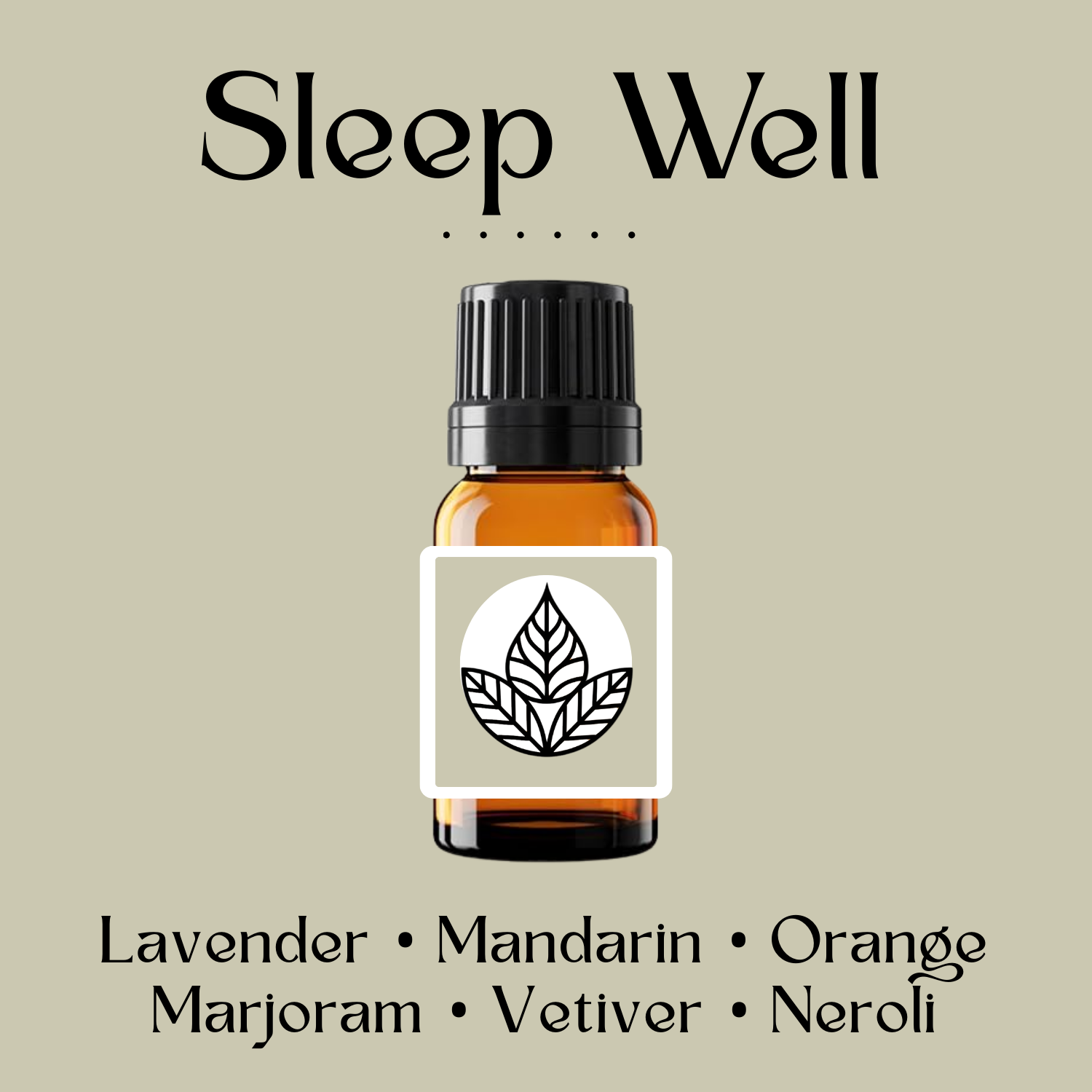
This soothing blend is designed to promote deep relaxation and support restful sleep.
Apply 1–2 drops, neat or diluted with a carrier oil, to the temples, under the nose, and the brain stem (upper back of the neck) about an hour before bed or right before sleeping.
Formerly called Insomnia
Follow the Thread below to view previous Single Oil Spotlight Articles: