
Marjoram Essential Oil: A Practitioner’s Guide
Traditional Use, Applications, and Practical Notes
Marjoram essential oil is one of the most respected calming herbs in traditional aromatherapy systems.
Steam distilled from the flowering tops of Origanum majorana, it has long been valued for its ability to soften physical tension, quiet the nervous system, and support emotional ease.
Across both historical herbal medicine and modern aromatic practice, marjoram is recognized as a grounding, warming, and deeply comforting oil.
Properties & Benefits
In traditional aromatic systems, marjoram is described as a “nervine relaxant” and “muscle soother,” with broad systemic support.
Commonly attributed properties include:
• antispasmodic
• antiseptic
• antibacterial
• digestive stimulant
• sedative (nervous system)
• expectorant
• diuretic
• arterial vasodilator
• tonic
From an aromatic and practical standpoint, marjoram is often used to support:
muscle tension and tightness
nervous system overstimulation
stress-related discomfort
digestive sluggishness
sleep difficulty
emotional overwhelm
Its aroma is warm, herbal, slightly spicy, and grounding—less sharp than oregano and significantly more soothing in energetic feel.
Historical Context
Marjoram has a deep and well-documented history across ancient civilizations.
It is recorded in the Ebers Papyrus (circa 1550 BC), one of the oldest known medical texts, which contains over 700 remedies used in ancient Egyptian healing systems.
In Greek and Roman traditions, marjoram was strongly associated with:
love
joy
peaceful transition
emotional harmony
It was commonly used in ceremonial garlands, especially wedding crowns, symbolizing unity and happiness.
Historically, marjoram was also used for:
• herbal teas and infusions
• aromatic fumigation of homes
• strewing herbs in living spaces
• flavoring and preserving food and beer
• household cleansing and scenting practices
The herb was highly valued before the widespread use of imported perfumes and essential oils.
Physical & Traditional Applications
Marjoram is widely known for its role in easing physical tension and supporting relaxation-based body systems.
Traditional applications include:
muscle cramps and spasms
tight shoulders, neck, and back tension
menstrual discomfort
headaches related to stress
restless legs and physical agitation
digestive discomfort
general nervous system support
sleep preparation and nighttime relaxation
It is especially valued in massage oils, warm compresses, and evening blends.
Because of its gentle warmth, it is often used to create a “softening effect” in the body.
Mental & Cognitive Support
Marjoram is not a stimulating oil—it works through calming and regulating overactive mental states.
Traditional aromatic use includes support for:
overthinking and mental chatter
stress-induced cognitive fatigue
difficulty relaxing the mind
emotional overwhelm affecting focus
evening mental unwinding
It is especially helpful when mental tension shows up as physical tightness in the body.
Emotional & Mood Support
Emotionally, marjoram is strongly associated with comfort, safety, and emotional grounding.
It is often used during periods of:
emotional heaviness
loneliness or lack of support
grief or emotional release
stress and nervous exhaustion
inner tension or irritability
In traditional emotional aromatherapy, marjoram is considered an oil that “softens the emotional edges,” helping the system feel held and supported.
Spiritual & Energetic Traditions
In energetic aromatherapy systems, marjoram is associated with emotional regulation, grounding, and heart-based balance.
Symbolic energetic correspondences include:
Astrological influence: Mercury and Venus
Element: Air & Water
Character: Yang
Number: 9
Chakras: Heart (4th) and Solar Plexus (3rd)
These frameworks are traditional symbolic systems used in energetic aromatherapy and are not medical or scientific claims.
Safety Notes
Marjoram is generally considered gentle, but should still be used appropriately:
• avoid use on children under 6
• use caution with children over 6
• use caution during pregnancy
• always dilute before topical application
• avoid internal use unless professionally guided
Practitioner Insight
Marjoram is often overlooked because it is subtle—not dramatic or fast-acting.
However, in practice, it is one of the most reliable oils for:
deep relaxation
muscle release work
evening nervous system support
emotional grounding blends
It pairs especially well with lavender, frankincense, ylang ylang, cypress, and sweet orange.
Summary
Marjoram essential oil is traditionally used for:
muscle relaxation
nervous system calming
emotional comfort
sleep support
digestive ease
tension release
Its essential nature is simple:
a warm, grounding herbal oil that restores ease in both body and emotional systems—gently and consistently.
Healing Drops Wellness Marjoram Blends:
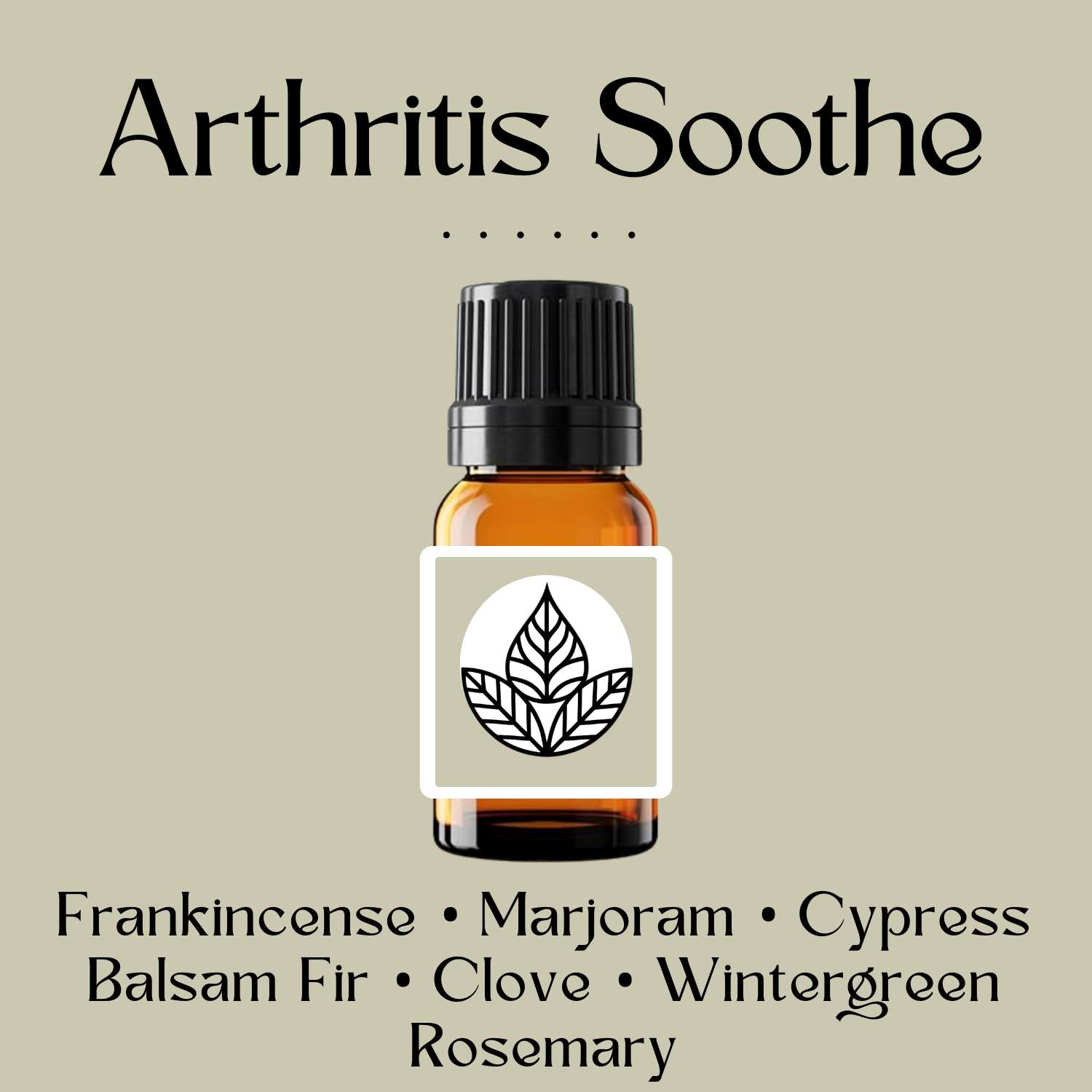
This targeted blend is formulated to help support the breakdown of uric acid buildup, which may ease inflammation, swelling, and stiffness. It also promotes oxygenation and supports the regeneration of stressed or damaged tissue.
Apply 1–2 drops to the affected area as needed, up to once per hour. Dilute with a carrier oil if needed for sensitive skin or to cover a larger area.
Formerly called Arthritis Relief
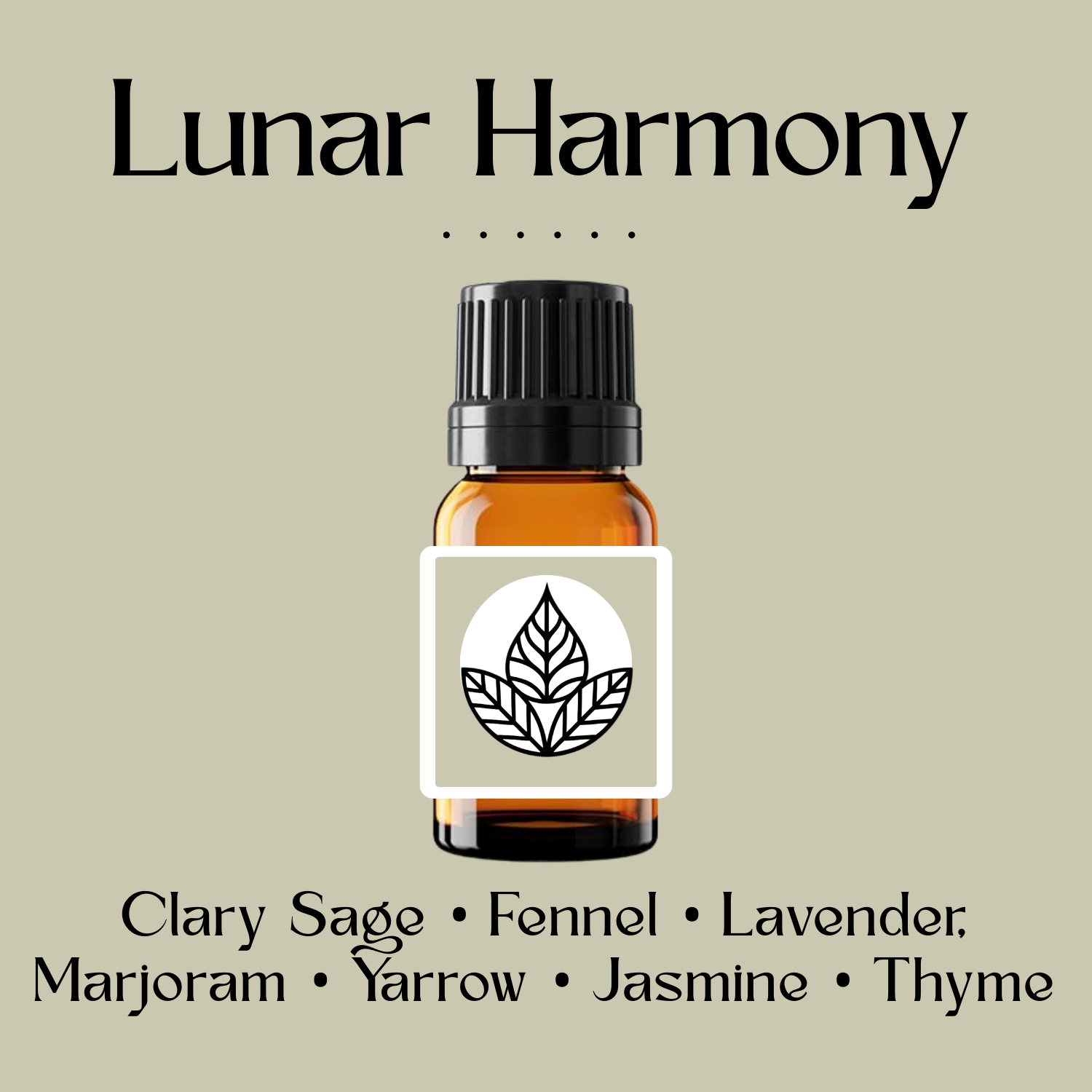
This blend supports hormonal balance, eases cramping, and overall reproductive wellness.
Helps clear petrochemicals from cell walls and supports PMS, pre- and peri-menopause, and prostate health. Apply 1 drop to the inside and outside of each ankle; for PMS, apply to temples.
Formerly called Moon Cycle
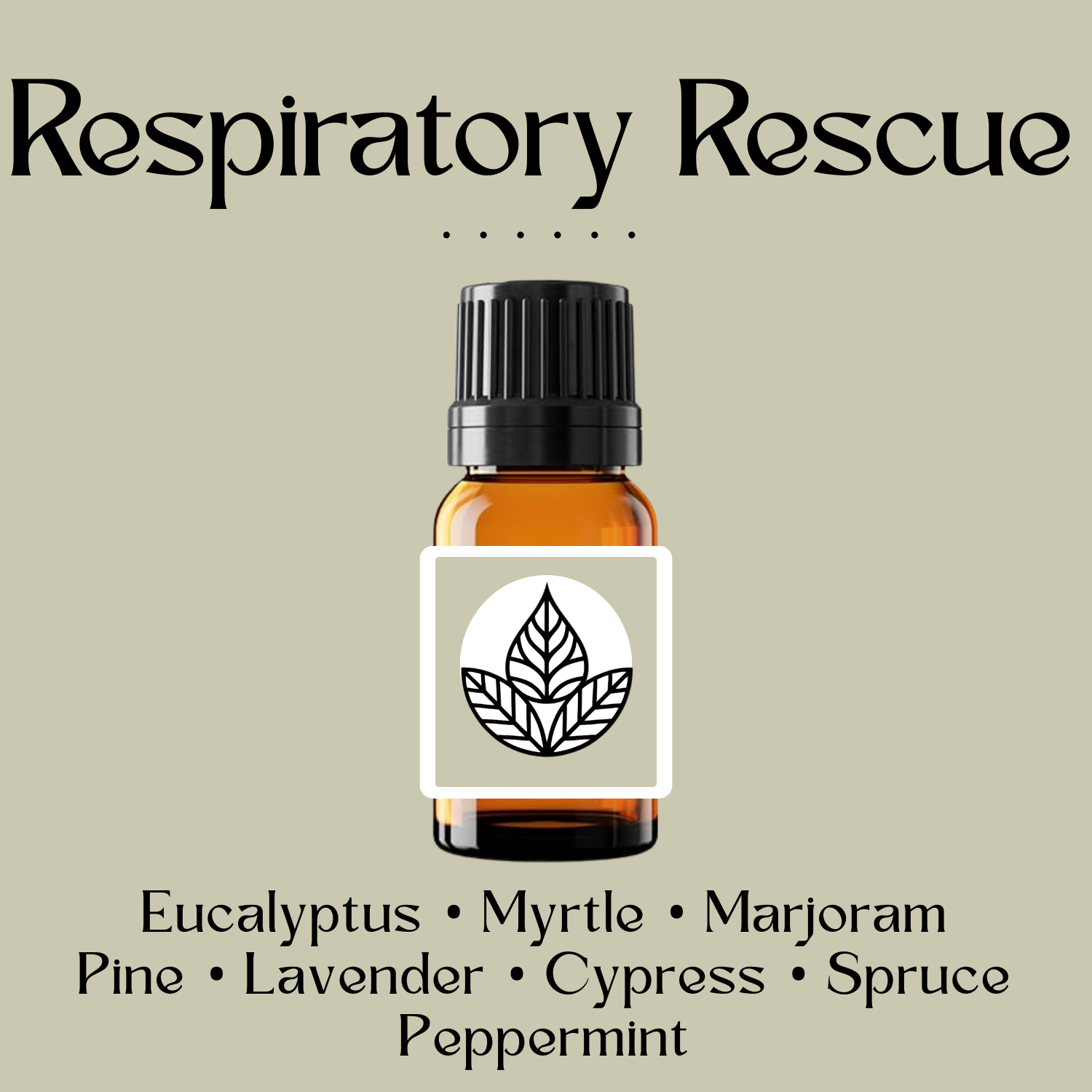
Breathe easier with Respiratory Rescue. Formulated by a naturopathic doctor to support lungs, relieve sinus issues, and soothe symptoms of allergies, flu, bronchitis, and more. Apply to chest and temples for natural relief.
3 Eucalyptus used: globulus, citriodora, radiata
Formerly called 3 Eucalyptus Lung.
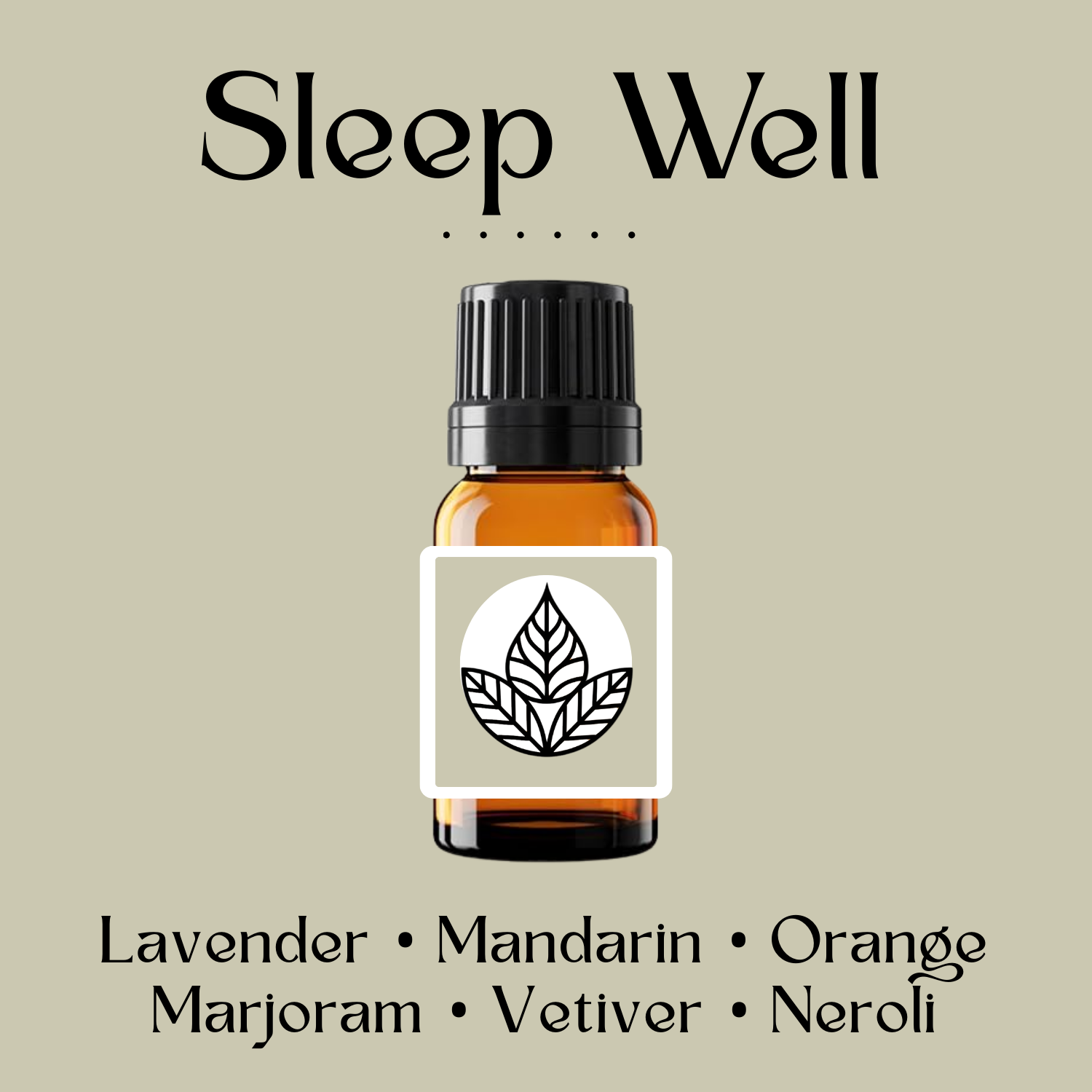
This soothing blend is designed to promote deep relaxation and support restful sleep.
Apply 1–2 drops, neat or diluted with a carrier oil, to the temples, under the nose, and the brain stem (upper back of the neck) about an hour before bed or right before sleeping.
Formerly called Insomnia
Follow the Thread below to view previous Single Oil Spotlight Articles: