
Mandarin Essential Oil: A Practitioner’s Guide
Traditional Use, Applications, and Practical Notes
Mandarin essential oil is one of the most gentle and comforting oils in aromatic wellness traditions.
Cold-pressed from the peel of the fruit, Citrus reticulata, it is cherished for its soft, sweet citrus aroma and its ability to support emotional ease, relaxation, and restoration.
Across both traditional and modern wellness systems, mandarin is associated with calmness, digestive comfort, nervous system support, and emotional softness.
Properties & Benefits
In traditional aromatic systems, mandarin is often described as calming, nurturing, and gently restorative.
Commonly attributed qualities include:
Antifungal
Antiseptic
Antispasmodic
Digestive support
Sedative (nervous system)
Digestive stimulant
Lymphatic support
Tonic
Aromatically, mandarin is often used to support:
anxiety
restlessness
emotional tension
low mood
nervous exhaustion
Its scent is soft, slightly sweet, and comforting—deeper and more rounded than most citrus oils.
Historical Context
Mandarin has a long and rich history dating back thousands of years.
Native to China, it has been cultivated for over 4,000 years and was highly valued in imperial culture. The name “mandarin” is believed to come from high-ranking officials whose robes reflected the fruit’s vibrant color.
In ancient China, the fruiting of mandarin trees was seen as a symbol of prosperity and was even associated with honoring the emperor.
Mandarin later spread to:
India
Japan
Europe
It was introduced to the United States in the 19th century, eventually becoming widely grown in Florida and California.
Physical & Household Applications
Mandarin is widely used in body care and home traditions for its gentle yet supportive nature.
Traditional uses include:
supporting digestive comfort
easing occasional bloating
supporting restful sleep
toning and refreshing skin
improving the appearance of scars and stretch marks
supporting liver and fluid balance
In home use, mandarin is loved for:
creating a calming environment
bedtime diffuser blends
gentle room sprays
uplifting yet soothing atmospheres
Because of its softness, it is especially suited for blends used around children and families.
Mental & Cognitive Support
Mandarin is not a sharp stimulant like other citrus oils—it works more gently on the mind.
Traditional aromatic use includes support for:
calming overactive thoughts
reducing mental tension
encouraging relaxation
restoring emotional balance
It is especially helpful in the evening or during times of overwhelm when the mind needs to slow down rather than speed up.
Emotional & Mood Support
Emotionally, mandarin carries a deeply nurturing and comforting quality.
It is often used when there is:
anxiety
emotional heaviness
feeling unsafe or unsupported
inner child wounds
restlessness or irritability
Mandarin helps create a sense of safety and emotional ease.
It is one of the most supportive oils for children, mothers, and anyone needing gentle emotional restoration.
Spiritual & Energetic Traditions
In energetic aromatherapy systems, mandarin is associated with:
joy
emotional softness
inner child healing
receiving
creative flow
Traditional symbolic correspondences include:
Element: Fire
Character: Yang
Number: 3
Chakra: 2nd / Sacral Center
These are symbolic energetic traditions and not medical claims.
Safety Notes
Always dilute before topical use
Avoid direct sunlight for up to 12 hours after application
Use extra dilution for babies and children
Because mandarin is a citrus oil, it can be photosensitive.
Summary
Mandarin essential oil is widely used for:
emotional comfort
nervous system support
gentle relaxation
digestive ease
inner child healing
creating calm environments
Its core identity is simple:
a soft, nurturing oil that brings comfort, safety, and gentle restoration.
Healing Drops Wellness Mandarin Blend:
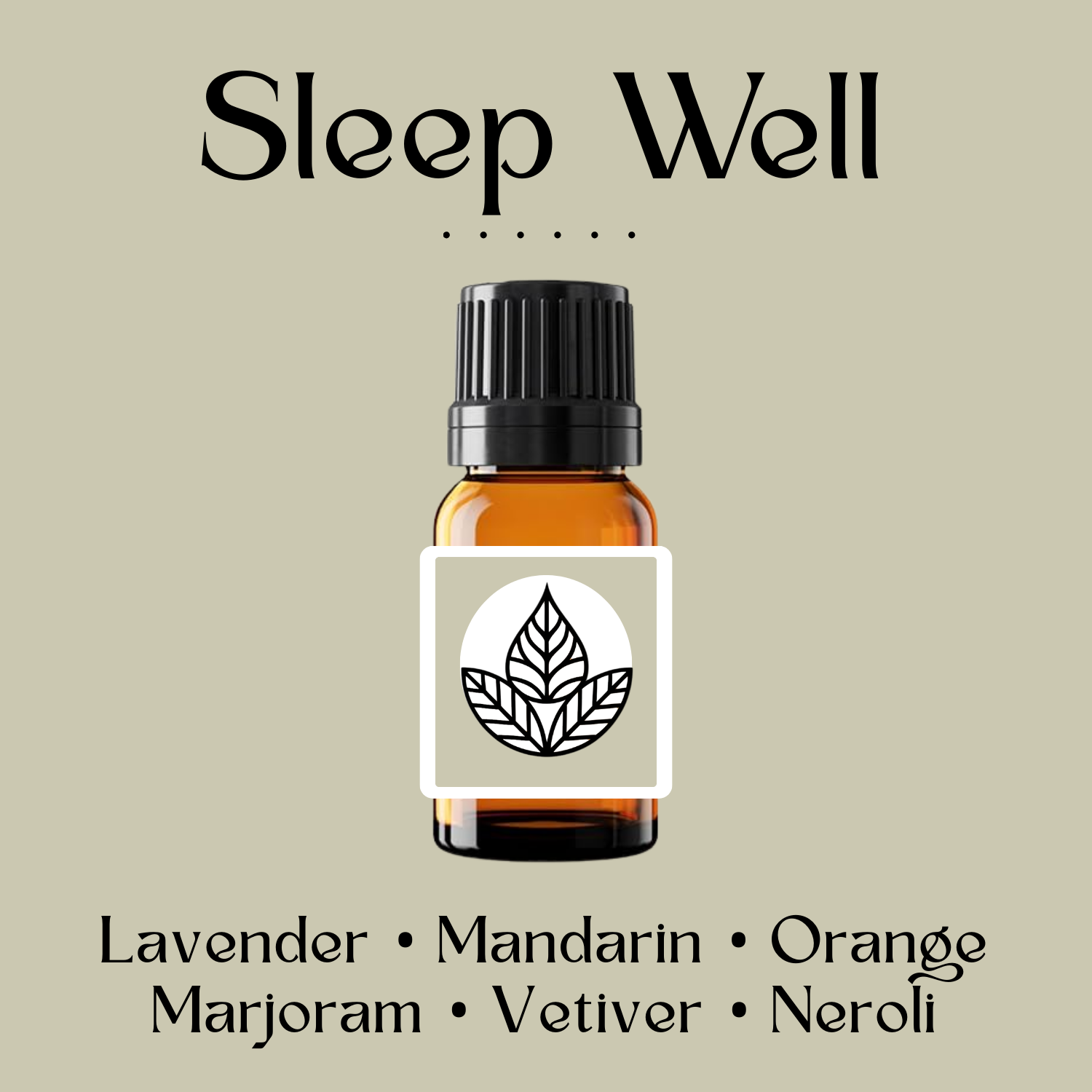
This soothing blend is designed to promote deep relaxation and support restful sleep.
Apply 1–2 drops, neat or diluted with a carrier oil, to the temples, under the nose, and the brain stem (upper back of the neck) about an hour before bed or right before sleeping.
Formerly called Insomnia
Follow the Thread below to view previous Single Oil Spotlight Articles: