Cinnamon Bark Essential Oil: A Practitioner’s Guide
Plant Part & Extraction
Steam distilled from the bark and/or leaves of the Cinnamon tree (Cinnamomum species).
Cinnamon essential oil is one of the warmest, most stimulating, and most powerful oils in aromatherapy. Revered throughout history for purification, circulation, protection, vitality, and emotional warmth, Cinnamon has been treasured in both medicine and spiritual traditions for thousands of years.
Its aroma is intensely warm, spicy, sweet, energizing, and comforting.
Properties of Cinnamon Essential Oil
Traditionally described as:
Antibacterial
Antidepressant
Antifungal
Anti-infectious (intestinal and urinary)
Anti-inflammatory
Antimicrobial
Antioxidant
Anti-parasitic
Antiseptic
Antispasmodic (mild)
Antiviral
Astringent
Immune-stimulant
Purifier
Sexual stimulant
Warming
Additional traditional properties include:
Analgesic
Powerful anti-inflammatory
Circulatory stimulant
Pulmonary stimulant
Aromatic & Emotional Benefits of Cinnamon Essential Oil
Aromatically, Cinnamon is traditionally used to:
elevate mood
lift depression
combat nervous tension
reduce stress
calm anxiety
energize emotional exhaustion
increase focus and alertness
Many practitioners feel Cinnamon helps keep one emotionally grounded in the present moment.
Its warm aroma is often associated with:
emotional vitality
abundance
motivation
warmth
confidence
passion
emotional strength
Cinnamon is also considered emotionally comforting during periods of fatigue, discouragement, or low motivation.
Common Uses for Cinnamon Essential Oil
Traditionally used for:
diabetes
diverticulitis
pneumonia
staph
MRSA
Other traditional uses include:
circulation support
colds
digestion
exhaustion
flu
wart applications
Historically, Cinnamon has been applied to warts because warts are traditionally associated with viral activity.
Traditional & Practical Applications
Cinnamon oil is traditionally used in:
diffuser blends
seasonal wellness blends
circulation formulas
warming massage oils
emotional energizing blends
purification blends
Because Cinnamon is extremely strong, only small amounts are typically used.
Practitioner note:
“If Cinnamon oil causes skin irritation, apply a carrier oil such as coconut or olive oil — not water. The warming sensation usually dissipates quickly.”
Historical Uses of Cinnamon Essential Oil
Cinnamon has one of the richest histories of any spice or aromatic plant.
Historically:
Chinese medicine used Cinnamon extensively in traditional prescriptions
Egyptians used it for circulation and excessive bile
Greeks referred to it as “Kinnamon,” meaning tube or pipe because of the bark’s appearance
It was burned as temple incense
Used in mulled wines and love potions
Used during birthing practices for calming and warmth
Cinnamon was also one of the most valuable commodities traded between:
China
Egypt
the Middle East
Europe
Historically, it was reportedly among the oils and spices used by thieves during plague outbreaks for protection while robbing the dead.
Cinnamon belongs to the same botanical family as:
avocado
bay leaf
sassafras
Brain Function & Cognitive Research
Research at Wheeling Jesuit University in the United States explored the effects of Cinnamon aroma on cognitive performance.
Led by Dr. P. Zoladz, findings suggested that Cinnamon aroma may support:
attention span
recognition memory
working memory
visual-motor response speed
overall brain activity
Because of these stimulating properties, Cinnamon is often referred to as a “brain tonic.”
Mosquito Research
Research published in the Journal of Agricultural and Food Chemistry reported that Cinnamon oil demonstrated effectiveness against mosquito larvae.
Studies conducted at National Taiwan University explored Cinnamon’s potential as an environmentally friendly mosquito-control agent due to compounds such as cinnamaldehyde.
Traditionally, Cinnamon oil has also been used as a natural mosquito repellent.
Aromatic Profile
spicy
warm
sweet
rich
woody
comforting
fiery
stimulating
Cinnamon possesses one of the most recognizable and energizing aromas in aromatherapy.
Spiritual & Energetic Uses of Cinnamon Essential Oil
Traditionally associated with:
abundance
love
vitality
warmth
courage
passion
confidence
Spiritually, Cinnamon is said to:
open the 3rd Chakra (Solar Plexus)
strengthen self-image
attract abundance
enhance loving energy
Esoteric Uses of Cinnamon Essential Oil
Astrological Associations
Sun
Mercury
Ayurvedic Association
Pitta
Character
Yang
Crystal
Tourmaline
Elements
Fire
Water
Number
2
Oriental Association
Yang Deficiency
(Points: ST-36, Dir Ves-6)
Contraindications
Do not use on children under 6
Use cautiously for children over 6
Avoid during pregnancy
Always dilute with a carrier oil before topical use
Only use 1–2 drops at a time
Use sparingly in diffusion due to strength
Cinnamon is considered a very “hot” oil and may irritate or burn sensitive skin if applied undiluted.
Additional Practitioner Notes
Cinnamon is frequently used in diffuser blends because many practitioners find it emotionally uplifting and deeply comforting.
Its warming qualities make it popular during:
cold seasons
emotional fatigue
low-energy states
stress-related exhaustion
Despite its power, only very small amounts are needed.
A little Cinnamon goes a very long way.
Source References
Information sourced from:
The Reference Guide for Essential Oils by Connie and Alan Higley
traditional Chinese medicine references
historical aromatic medicine sources
Wheeling Jesuit University research
Journal of Agricultural and Food Chemistry research
Healing Drops Wellness Cinnamon Bark Blends:
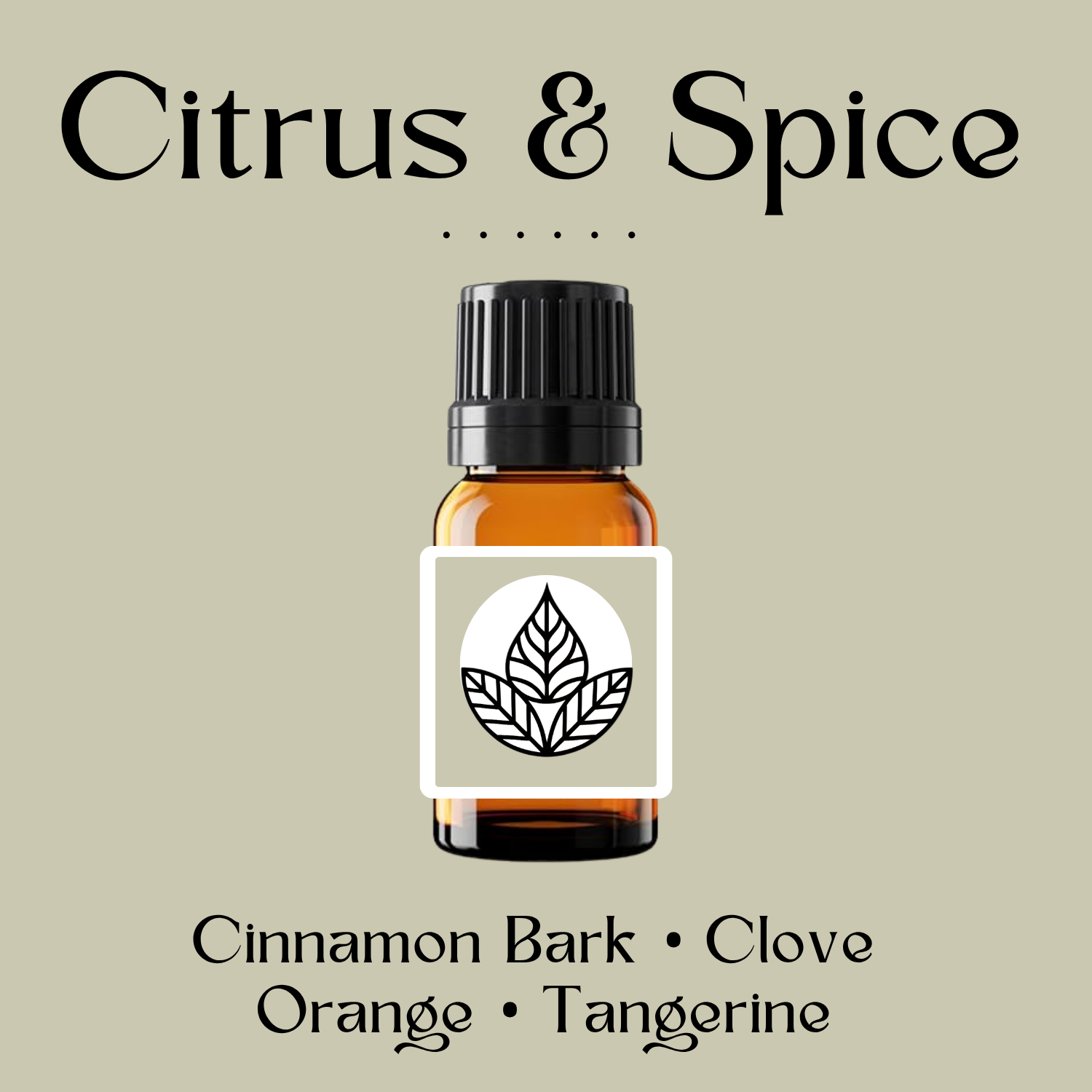
A comforting, cheerful blend that lifts the spirit and brings a sense of calm.
Diffuse it to create a warm, happy atmosphere, perfect for cozy winter evenings, holiday gatherings, or anytime you want a little extra joy in the air. These oils naturally help support your home’s defenses by combating viruses and bacteria, making this blend both soothing and protective.
A seasonal favorite that fills your space with warmth, happiness, and the familiar feeling of celebration.
Formerly called Spice it Up

A biblical, high-frequency blend inspired by ancient anointing traditions. Connects you to both the natural and spiritual realms—invoking grounding, reverence, and divine wisdom. Ideal for meditation, prayer, or energetic alignment. Apply to the body or diffuse to create a deeply spiritual atmosphere and enhance meditation or reflection.
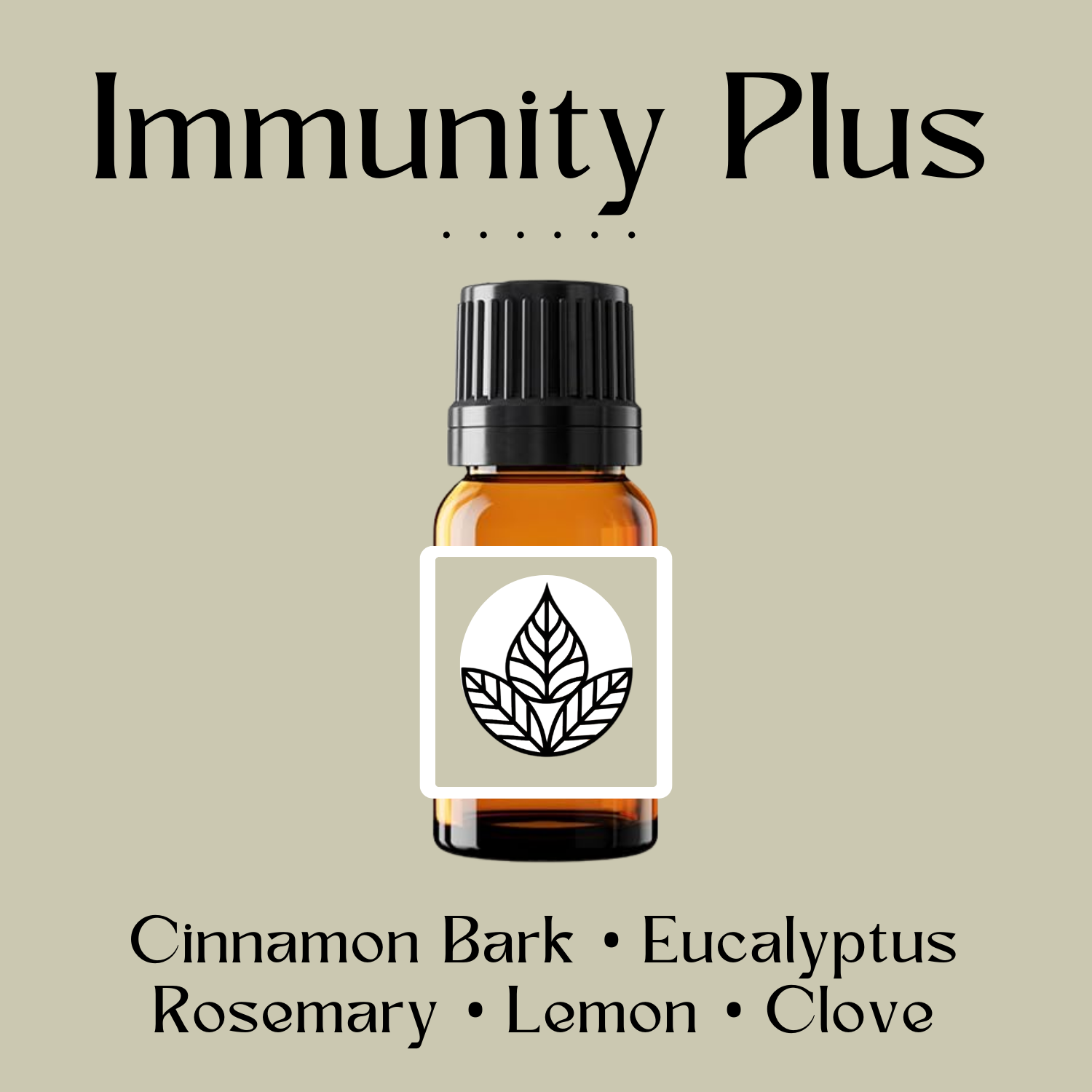
A powerful immune defense blend that strengthens your body’s natural protection and helps fight off viruses and bacteria. Use at the first sign of illness or as a daily shield—apply to the throat with carrier oil, place a drop in the mouth, diffuse, or breathe deeply to stay fortified. Inspired by a time-tested recipe from the Archives of the London Library and commonly known as Thieves.
Formerly called Immune Shield
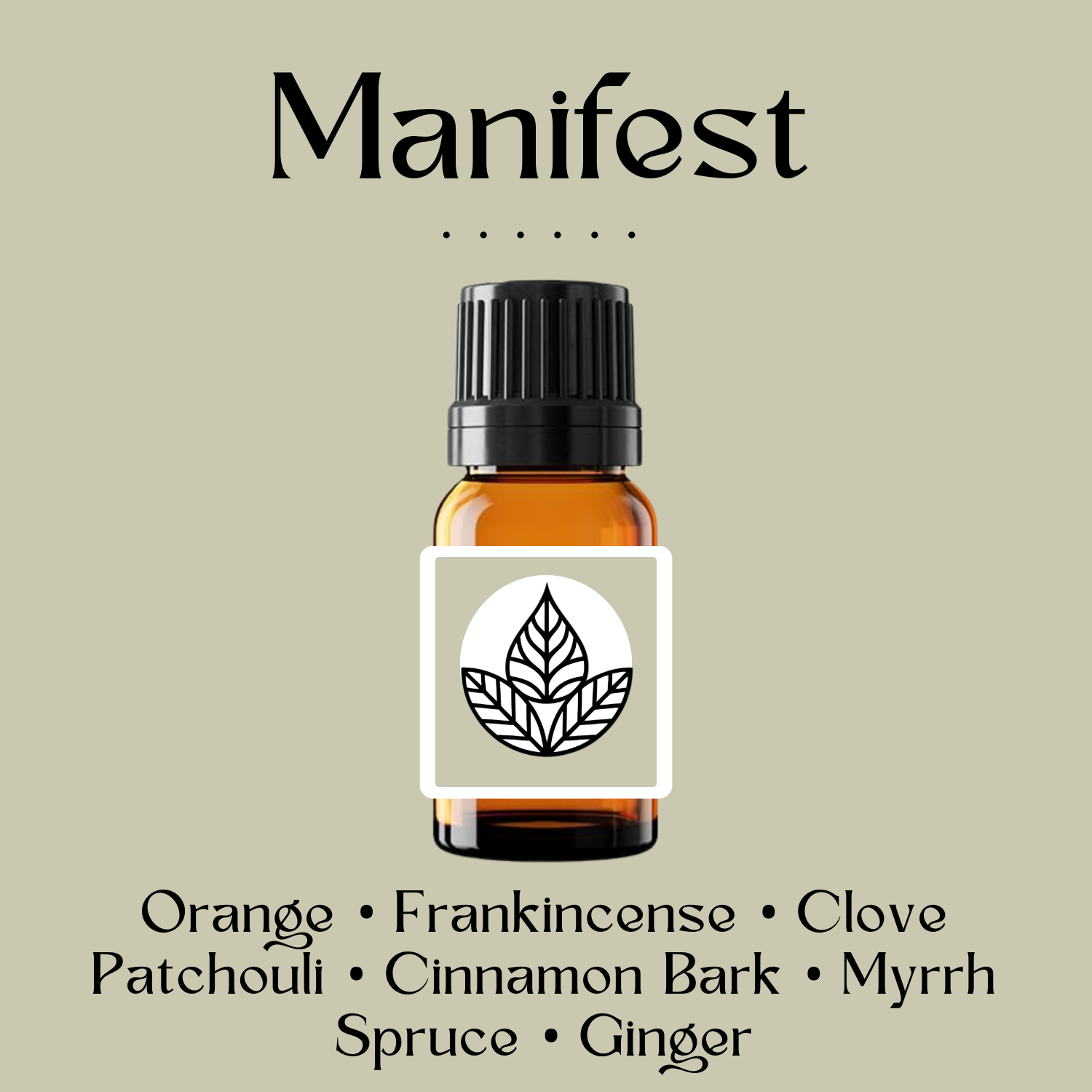
A high-vibration blend with an aphrodisiac scent that attracts abundance—spiritually, physically, and financially. Antiviral and energetically amplifying, it can be applied to personal items to enhance your intentions.
Formerly called Law of Attraction
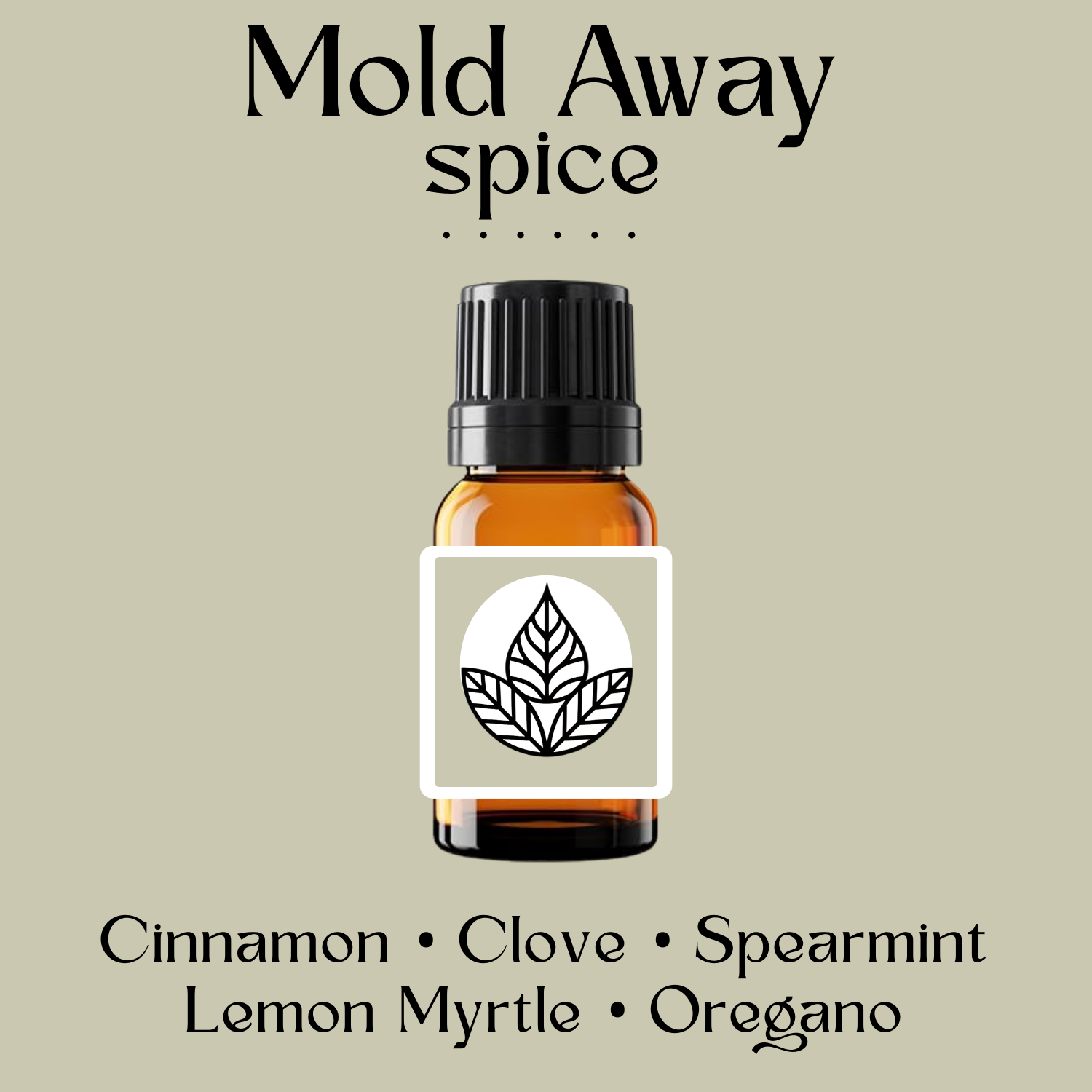
This potent blend is designed to help eliminate mold in your home, with a warm, spicy aroma. Use it on A/C filters, diffuse in your office or living space, or dilute in water as a spray.
It also helps neutralize odors, combat anaerobic bacteria and mildew, repel insects, and reduce the effects of insect bites from spiders and bees. Additionally, it is effective against candida albicans (body fungus or yeast infections).
Apply 2 drops to the body as needed, up to once per hour. Use a carrier oil for sensitive skin or to cover larger areas.
Formerly called Anti-Mold #1
Follow the Thread below to view previous Single Oil Spotlight Articles: