Bergamot Essential Oil: A Practitioner’s Guide
Bergamot Essential Oil
Plant Part & Extraction
Cold pressed from the peel/rind of the Bergamot orange (Citrus bergamia).
Bergamot essential oil is one of the most beloved citrus oils in aromatherapy and natural perfumery, known for its uplifting aroma and unique ability to calm while simultaneously energizing.
One hundred bergamot oranges yield approximately three ounces (85 grams) of essential oil.
Bergamot is also famously known as the signature aroma found in Earl Grey Tea.
Properties of Bergamot Essential Oil
Traditionally described as:
Analgesic
Antibacterial
Anti-infectious
Anti-inflammatory
Anti-parasitic
Antiseptic
Antispasmodic
Digestive
Sedative
Uplifting
Aromatic & Emotional Benefits of Bergamot Essential Oil
Traditionally used aromatically for:
depression
grief
sorrow
emotional heaviness
stress
agitation
anxiety
insomnia
emotional fatigue
Bergamot is widely known for its ability to uplift the emotional state while calming nervous tension.
Esoterically, Bergamot is associated with:
peace to the soul
clearing thoughts that fool us
emotional renewal
attracting success
attunement to angelic energy
opening the heart emotionally
BERGAMOT IS KNOWN TO TURN GRIEF INTO JOY!!!!
Its aroma is often described as emotionally balancing, comforting, sunny, and heart-opening.
Common Uses for Bergamot Essential Oil
Traditionally used for:
autism
cold sores
depression
grief
sorrow
hoarse voice
insomnia
oily skin
physical stress
Other traditional uses include:
acne
anxiety
appetite regulation
boils
bronchitis
coughs
cystitis
eczema
fever
gallstones
soothing the lungs
psoriasis
scabies
thrush
acute tonsillitis
French Medical Uses
(The most advanced medical usage of essential oils is traditionally associated with French medical doctors.)
Traditionally used for:
agitation
loss of appetite
depression
indigestion
infection
inflammation
insect repellent
insomnia
intestinal parasites
rheumatism
stress
Aromatic Profile
citrusy
bright
sweet
lightly floral
warm
fresh
softly spicy
elegant
Bergamot possesses a uniquely balancing aroma that is simultaneously calming and uplifting.
Historical Uses of Bergamot Essential Oil
Bergamot has long been associated with Italy, particularly the coastal Ionian Sea regions of Reggio di Calabria, where the majority of the world’s Bergamot is produced.
Historically, Italians used Bergamot for:
fevers
malaria
expelling intestinal worms
Some believe the plant originally came from India. It has also been suggested that Christopher Columbus introduced Bergamot to Italy through the Canary Islands.
Bergamot is also cultivated in:
southern France
Côte d'Ivoire
southern Turkey
Mauritius
The fruit itself is not generally consumed directly but is commonly used in:
marmalade
desserts
perfumery
teas
aromatic products
Bergamot peel became especially prized in perfumery because of its extraordinary ability to blend harmoniously with many fragrances.
Approximately:
one-third of all men’s perfumes
and half of women’s perfumes
contain Bergamot essential oil.
Bergamot was also a major ingredient in the original Eau de Cologne created by Farina in early 18th century Germany.
The first documented use of Bergamot oil as a fragrance ingredient dates back to 1714.
To protect the quality and authenticity of Bergamot oil, Italy established strict purity testing and production standards for Bergamotto di Reggio Calabria.
Esoteric & Energetic Uses of Bergamot Essential Oil
Astrological Association
Sun
Character
Mildly Yang
Crystal
Watermelon Tourmaline
Element
Fire
Number
2
Acupuncture Points
LIV-3
GB-34
Chakra Associations
3rd Chakra — Solar Plexus
4th Chakra — Heart
5th Chakra — Throat
Strengthens the Heart Chakra (4th Chakra).
Contraindications
Not for children under 6
Use caution for children over 6
May cause skin sensitivity (use with carrier oil if needed)
Avoid direct sunlight after topical application (up to 3 days due to photosensitivity)
Additional Practitioner Notes
Bergamot is often considered one of the most emotionally restorative citrus oils.
It is frequently chosen during times of:
grief
emotional heaviness
discouragement
nervous exhaustion
emotional stagnation
Many practitioners regard Bergamot as a bridge between emotional comfort and renewed joy.
Its bright yet calming aroma makes it a favorite in:
emotional wellness blends
natural perfumery
meditation blends
heart-centered practices
stress support formulas
Source References
Information sourced from:
The Reference Guide for Essential Oils by Connie and Alan Higley
historical perfumery references
traditional aromatic medicine sources
historical Bergamot production records
Healing Drops Wellness Bergamot Blends & Sprays:
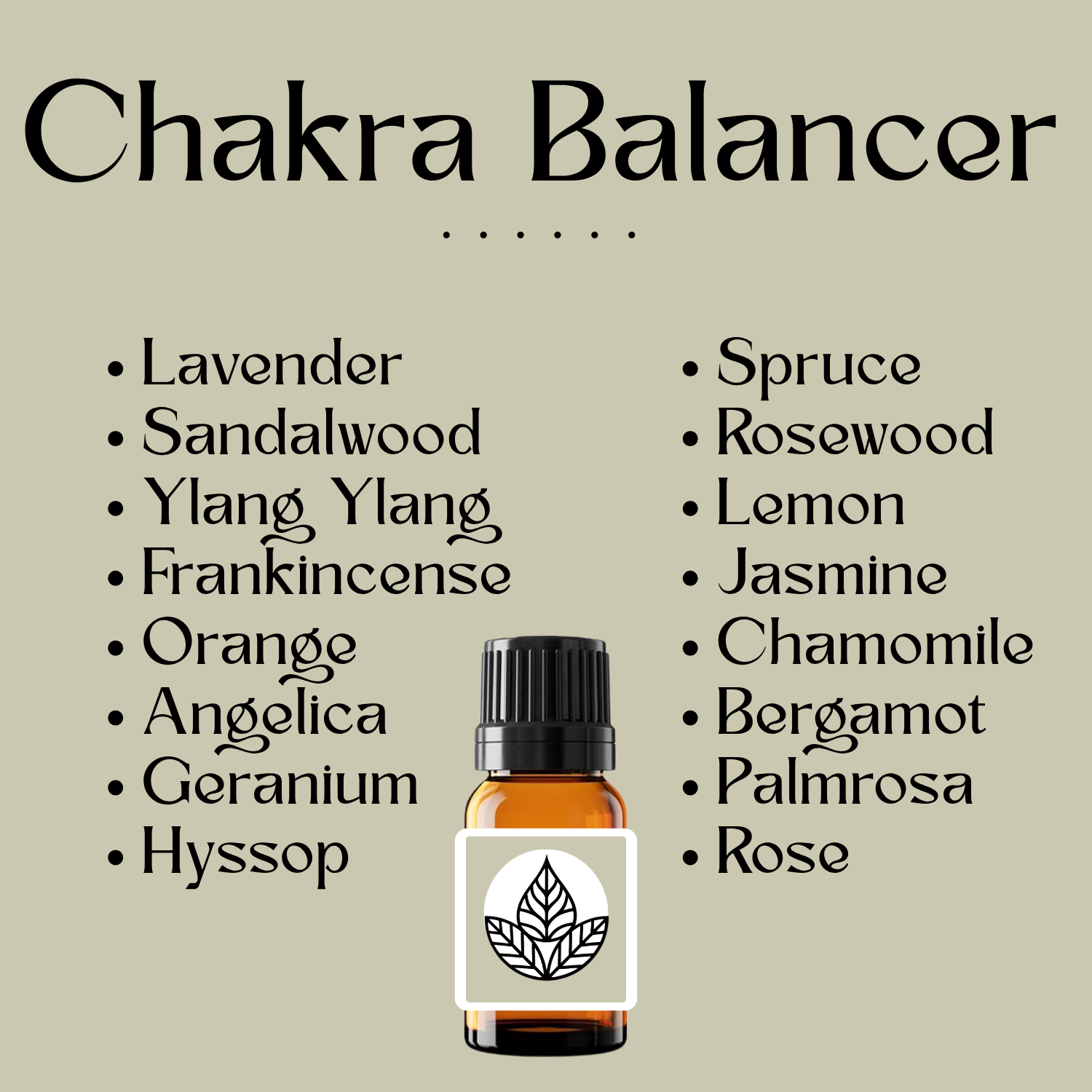
A deeply exotic, uplifting blend that creates emotional harmony, supports feelings of confidence and clarity, and helps balance all chakra energy centers.
Diffuse it to create a serene, uplifting atmosphere, perfect for meditation, yoga, or anytime you want to restore calm and clarity. This powerful combination of 16 oils was created by naturopathic doctor to balance all chakras (energetic centers), supporting emotional wellness and inner harmony.
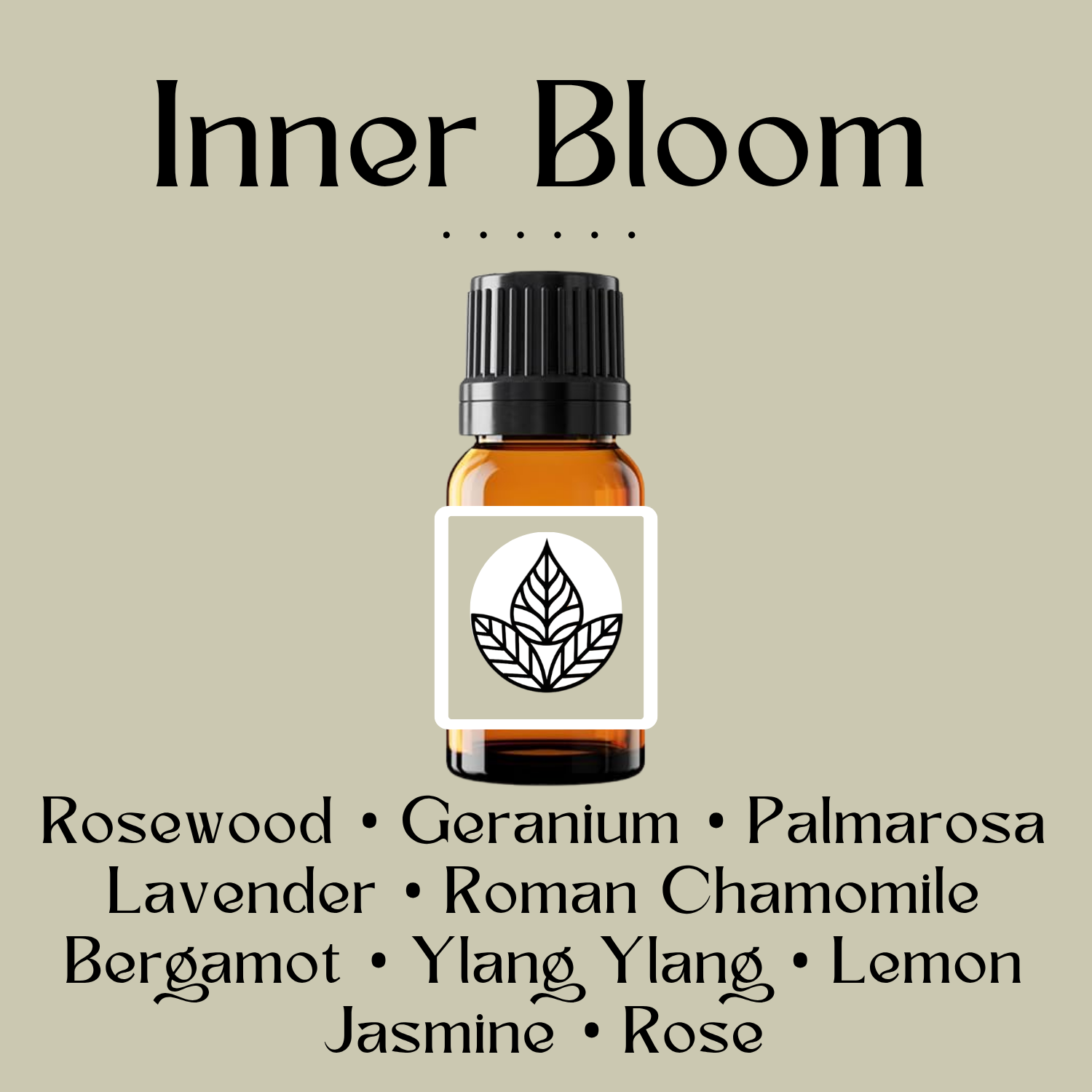
A gentle, nurturing blend that promotes calm, emotional healing, and heart-centered connection. Perfect for mothers and babies, mothers-to-be, or anyone reconnecting with their inner child. Encourages serenity, self-love, and the blossoming of new beginnings. Apply to body, add to lotions, or diffuse. Excellent for skin cell renewal and stretch marks.
Formerly called Inner Child
Follow the Thread below to view previous Single Oil Spotlight Articles: