
Basil Essential Oil: A Practitioner’s Guide
Plant Part & Extraction
Steam distilled from the leaves and flowering tops of the Basil plant (Ocimum basilicum).
Basil essential oil has long been valued in culinary traditions, herbal medicine, aromatherapy, and spiritual practices throughout India, Southeast Asia, the Mediterranean, and Europe.
Properties of Basil Essential Oil
Traditionally described as:
Antibacterial
Anti-infectious
Anti-inflammatory
Antioxidant
Antiseptic
Antispasmodic (powerful)
Antiviral
Decongestant (veins, arteries, lungs, prostate)
Stimulant
Uplifting
Anti-catarrhal (thins mucus)
Antidepressant
Energizing
Restorative
Aromatic & Emotional Benefits of Basil Essential Oil
Aromatically, Basil is traditionally used to:
help maintain an open mind
increase clarity of thought
lift awareness
promote happiness
reduce mental fatigue
energize the mind
encourage focus and concentration
Basil is often chosen when emotional exhaustion, sluggish thinking, nervous tension, or mental overwhelm are present.
Practitioner observations note that inhaling Basil may help uplift mood while simultaneously relaxing physical tension held in the neck and shoulders.
Common Uses for Basil Essential Oil
Traditionally used for:
autism
carpal tunnel
chronic fatigue
cramps
mental fatigue
migraines
muscle spasms
muscular dystrophy
snake bites
spider bites
whooping cough
wounds
aches and pains
anxiety
bronchitis
chronic colds
concentration
earache
fainting
fever
gout
hemorrhoids
hiccups
insect bites
repelling insects
insomnia from nervous tension
memory support
ovarian cysts
loss of smell
French Medical Uses
(Medical doctors in France are traditionally known for advanced aromatic medicine applications.)
Traditionally used for:
migraines (especially associated with the liver and gallbladder)
mental fatigue
scanty menstrual periods
Aromatic Profile
sweet
herbaceous
green
fresh
spicy
slightly anise-like
warm
penetrating
Basil possesses a strong, uplifting aroma that is both stimulating and clarifying.
Historical Uses of Basil Essential Oil
Basil, Thai basil, or sweet basil is the common name for the culinary herb Ocimum basilicum of the family Lamiaceae (mint family). In some English-speaking countries it has also been known as “Saint Joseph’s Wort.”
Basil is believed to be native to India and has reportedly been cultivated there for more than 5,000 years. It was well known to ancient Greek authors including Theophrastus and Dioscorides.
The genus Ocimum is widespread throughout Asia, Africa, Central America, and South America, though many believe its center of diversity originated in Africa.
Basil has long been used:
as a culinary herb
in Ayurvedic medicine
in herbal medicine
in cosmetics
in religious ceremonies
The name “Basil” derives from the Greek word Basilikos, meaning “herb worthy of kings.”
Ancient Egyptians reportedly used basil during religious ceremonies and possibly in preparations associated with mummification.
During the Middle Ages, Basil was believed to possess magical protective qualities and was used symbolically against the mythical “basilisk,” a serpent-like creature.
Ancient Romans considered Basil a symbol of lovers and used it both aromatically and in cooking.
Basil eventually spread throughout Europe through Greek and Roman trade routes crossing the Middle East. It was introduced into England around the 16th century and later into America during the 17th century.
The most aromatic Basil leaves are traditionally harvested shortly before flowering, when volatile oil content is believed to be highest.
Sources: wikipedia.com and mdidea.com
Esoteric & Energetic Uses of Basil Essential Oil
Astrological Association
Mars
Character
Yang
Element
Fire
Ayurvedic Association
Vata
Number
1
Chakra Association
2nd Chakra — Sacral
Contraindications
Not for children under 6
Use caution for children over 6
May cause skin sensitivity (use with carrier oil)
Do not use during pregnancy
Avoid use with epilepsy
Additional Practitioner Notes
“I start each class with each student putting Basil on their neck. After 5 minutes, everyone is amazed at how it relaxes the muscles of the neck and shoulders. This brings blood to the brain.
Breathing it off their hands lifts their awareness and happiness. Great way to start out a class — or a day.”
— The Reference Guide for Essential Oils by Connie and Alan Higley
Source References
Information sourced from:
The Reference Guide for Essential Oils by Connie and Alan Higley
Healing Drops Wellness Basil Blends & Sprays:

This targeted blend combines Wintergreen for bone support and inflammation, Basil to ease muscle tension, Lemongrass to nourish ligaments and clear lymph, and Clove for natural pain relief. Apply directly or with a carrier oil to joints, lower back, or neck as needed. Excellent for arthritis and daily aches. Apply 2 drops to affected area every hour, if needed.
Formerly called Joint and Muscle Relief…Now with Cypress added for Circulation!
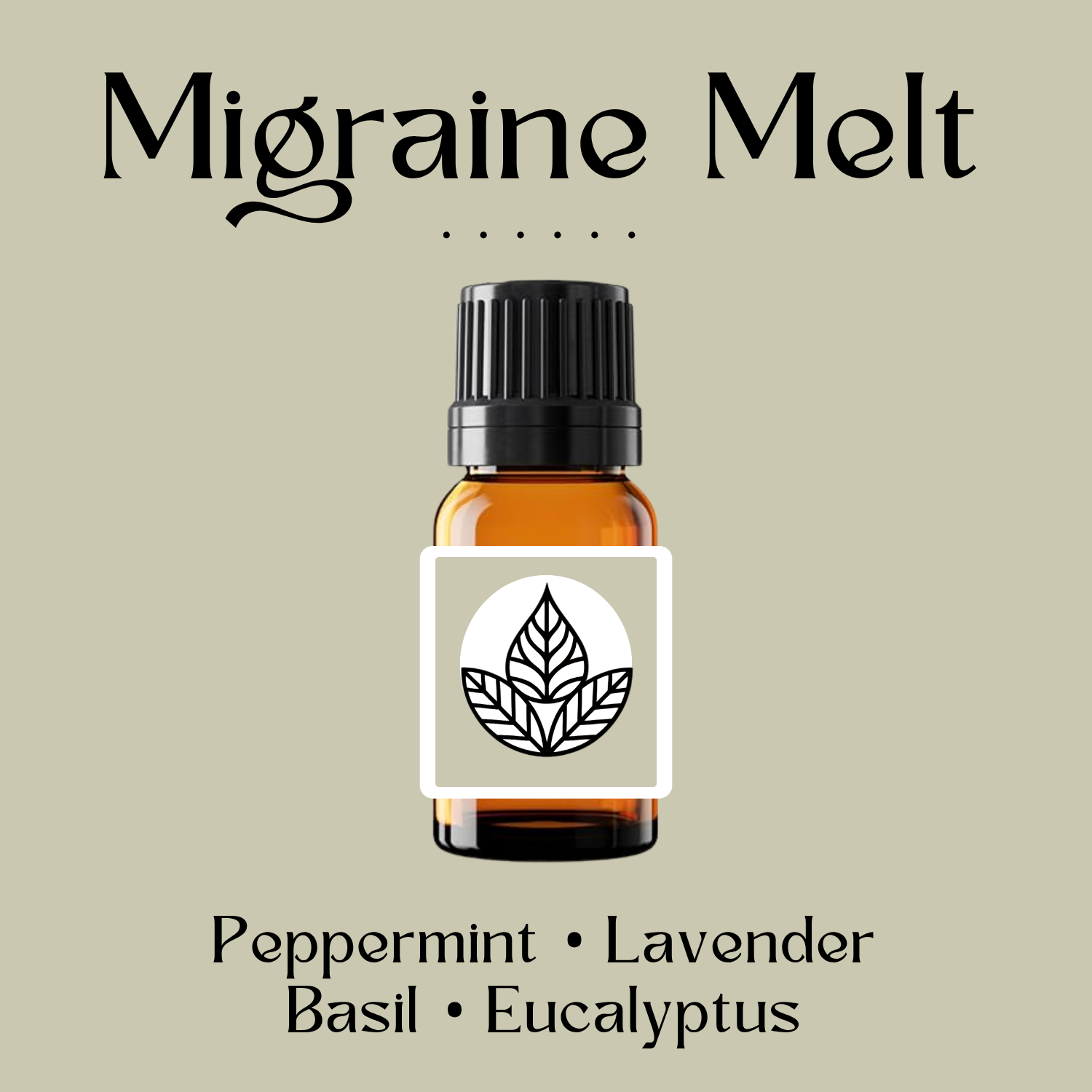
Formulated to ease tension and soothe the nervous system, this natural blend helps melt away headaches and migraines. Apply 2 drops to the temples, back of the neck, and tops of the shoulders (trapezius area) as needed. Use regularly for gentle, effective support throughout the day.
Formerly called Headache Fix
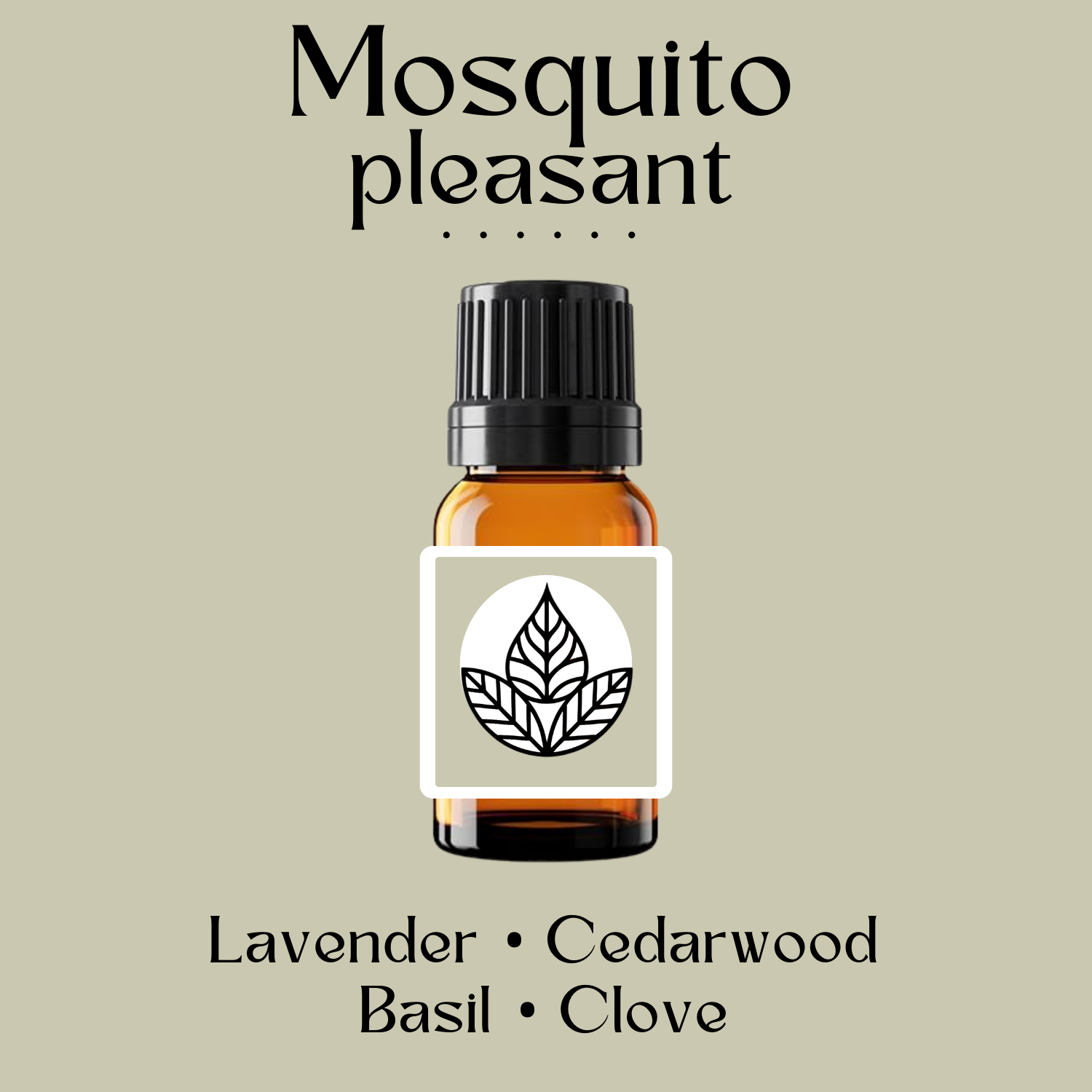
This soothing, earthy formula creates a protective barrier while calming the senses. Apply 1–2 drops all over exposed skin, mixed with a bit of coconut oil for complete coverage, or add 20–30 drops to distilled water in a 2 oz spray bottle for a refreshing mist. Can also be diffused to keep mosquitoes away indoors or outdoors.
Follow the Thread below to view previous Single Oil Spotlight Articles: