Jasmine Essential Oil: A Practitioner’s Guide
Plant Part & Extraction
Steam or solvent (absolute) extraction from the delicate flowers of Jasminum species.
We carry three versions:
Jasminum grandiflorum — Pure absolute
Jasminum grandiflorum — 3% in jojoba oil
Jasminum sambac — 3% in jojoba oil
The 3% dilutions still carry a very strong, rich floral aroma.
Jasmine is typically produced as an absolute (not a steam-distilled oil). It is hexane-free in our supply.
It is one of the most labor-intensive aromatics in perfumery, requiring approximately 3.6 million freshly picked flowers (or about 1000 lbs of blossoms) to produce 1 lb of jasmine absolute.
Properties of Jasmine Essential Oil
Traditionally described as:
Anticatarrhal (thins mucus)
Antidepressant
Antispasmodic
Traditionally recognized for:
respiratory soothing and voice support
emotional uplift and mood stabilization
nervous system calming
gentle muscle relaxation
skin and tissue support (traditional use)
Aromatic & Emotional Benefits of Jasmine Essential Oil
Aromatically, Jasmine is traditionally associated with:
confidence and emotional strength
uplifting mood and promoting joy
reducing anxiety and emotional heaviness
easing apathy, depression, and emotional numbness
enhancing optimism and emotional openness
supporting connection in relationships
increasing feelings of warmth, attraction, and emotional intimacy
It is often described as deeply uplifting, emotionally expansive, and heart-opening.
Common Uses for Jasmine Essential Oil
Traditionally used for:
hoarse voice
pink eye (conjunctivitis)
sensitive skin
coughs
dysentery
eczema
frigidity (traditional emotional/sexual vitality support)
hepatitis (traditional supportive use)
labor pains
laryngitis
lethargy
menstrual pain
muscle spasms
nervous exhaustion
pain relief
respiratory support
sexual vitality and intimacy support
skin care
sprains
uterine disorders
Emotional & Psychological Uses
Jasmine is traditionally associated with:
emotional confidence and empowerment
reducing anxiety and apathy
lifting depression and emotional fatigue
improving relational connection and intimacy
supporting emotional resilience during stress
enhancing optimism and joy
It is often used when emotional “flatness” or disconnection is present.
Aromatic & Traditional Therapeutic Applications
Jasmine is commonly used in:
emotional support blends
sensual and intimacy blends
relaxation and sleep support routines
skin care formulations
women’s cycle support blends
luxury perfumery applications
It is often described as both grounding and euphoric.
Historical Uses of Jasmine Essential Oil
Botanical Background
Jasminum grandiflorum (Spanish/Catalonia jasmine) has been cultivated in France for centuries for perfumery
Jasminum sambac is traditionally used in jasmine tea and cultural ceremonies
Jasminum officinale is widely known for its fragrance and ornamental use
Cultural & Traditional Uses
In China, jasmine tea has been scented since at least the 13th century
Used in traditional Chinese herbal systems for headaches, insomnia, and bone pain
Widely used in French perfumery traditions due to its rich floral aroma
Associated with bridal bouquets symbolizing love and joy
In religious art (especially Renaissance Italy), jasmine is associated with purity and divine love
Linked symbolically with the Virgin Mary in Catholic tradition due to its white flowers and May blooming season
Aromatic Profile
rich floral
sweet
exotic
warm
sensual
deep and lingering
slightly fruity undertones
Jasmine is often described as one of the most luxurious floral aromas in perfumery.
Esoteric & Energetic Uses of Jasmine Essential Oil
Astrological Association
Moon and Jupiter
Element
Water and Fire
Ayurvedic Association
Pitta
Character
Yin flower energy, Yang oil expression
Number
9
Crystal Associations
Ruby
Red Jasper
Quartz
Moonstone
Sapphire
Chakra Association
2nd Chakra — Sacral (creativity, sexuality, emotional flow)
Jasmine is traditionally associated with:
emotional awakening and openness
creative expression and inspiration
strengthening emotional intuition
enhancing connection and relational harmony
supporting sensuality and embodied joy
Contraindications
Not for children under 6
Use with caution for children over 6
Additional Practitioner Notes
Jasmine essential oil is widely used for:
luxury perfumery blends
emotional uplift formulations
intimacy and relationship-support blends
women’s cycle and emotional balance support
meditation and heart-opening practices
The 3% jojoba blends are often preferred for ease of use while still retaining strong aromatic impact.
Source References
Information sourced from:
The Reference Guide for Essential Oils by Connie and Alan Higley
Wikipedia botanical references on Jasminum species
traditional Chinese herbal medicine records
historical perfumery and French cultivation practices
Garden Guides historical botanical summaries
Healing Drops Wellness Jasmine Blends:
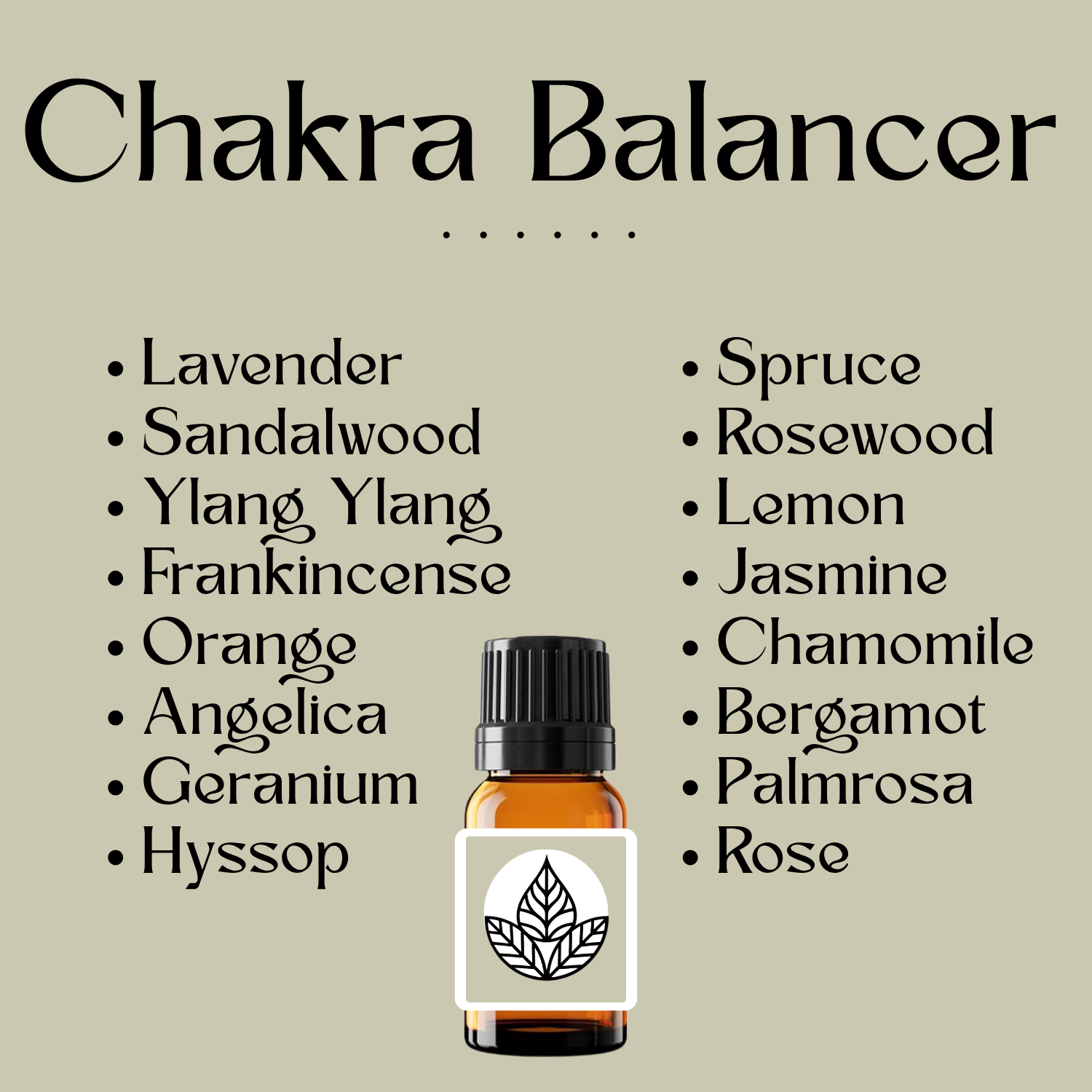
A deeply exotic, uplifting blend that creates emotional harmony, supports feelings of confidence and clarity, and helps balance all chakra energy centers.
Diffuse it to create a serene, uplifting atmosphere, perfect for meditation, yoga, or anytime you want to restore calm and clarity. This powerful combination of 16 oils was created by naturopathic doctor to balance all chakras (energetic centers), supporting emotional wellness and inner harmony.
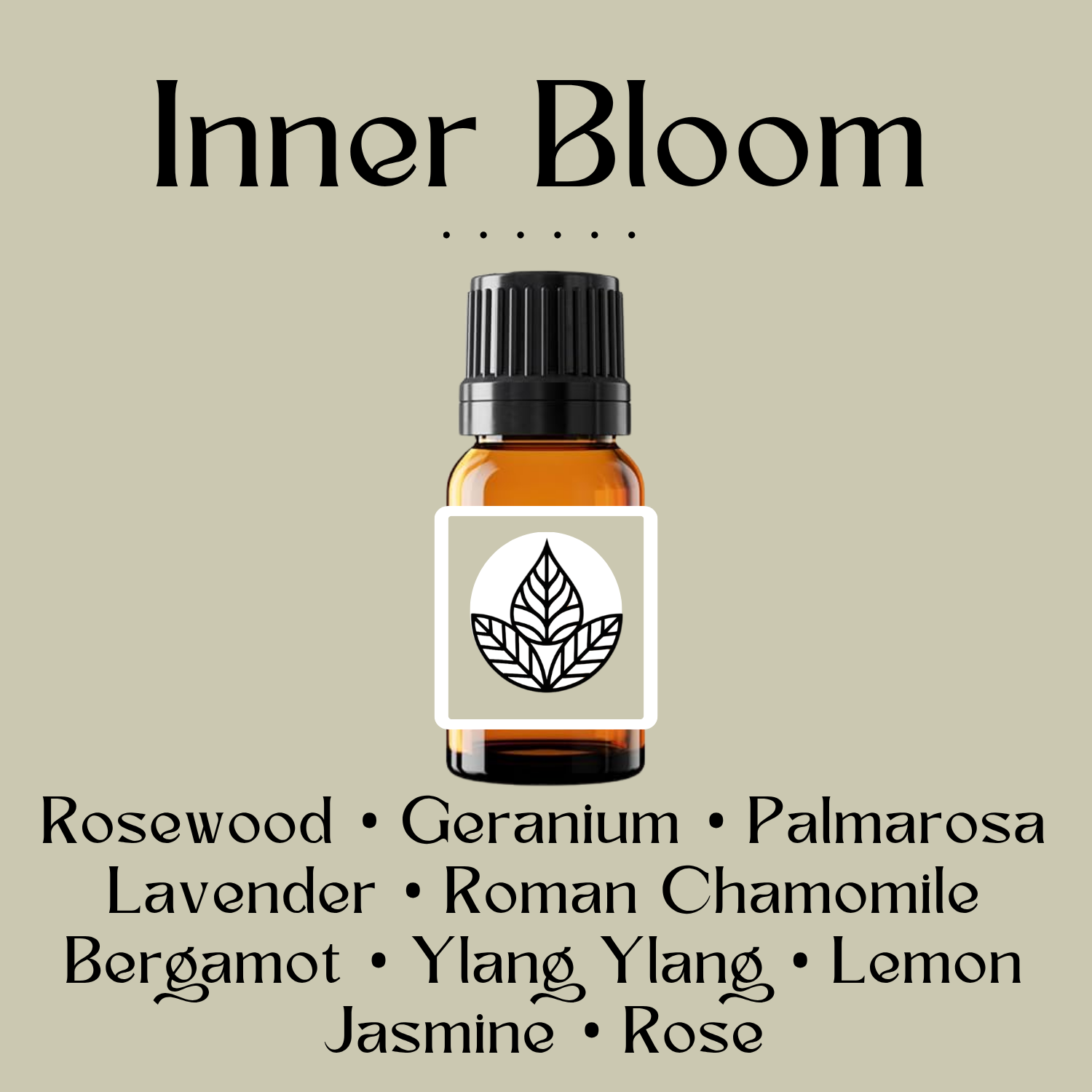
A gentle, nurturing blend that promotes calm, emotional healing, and heart-centered connection. Perfect for mothers and babies, mothers-to-be, or anyone reconnecting with their inner child. Encourages serenity, self-love, and the blossoming of new beginnings. Apply to body, add to lotions, or diffuse. Excellent for skin cell renewal and stretch marks.
Formerly called Inner Child
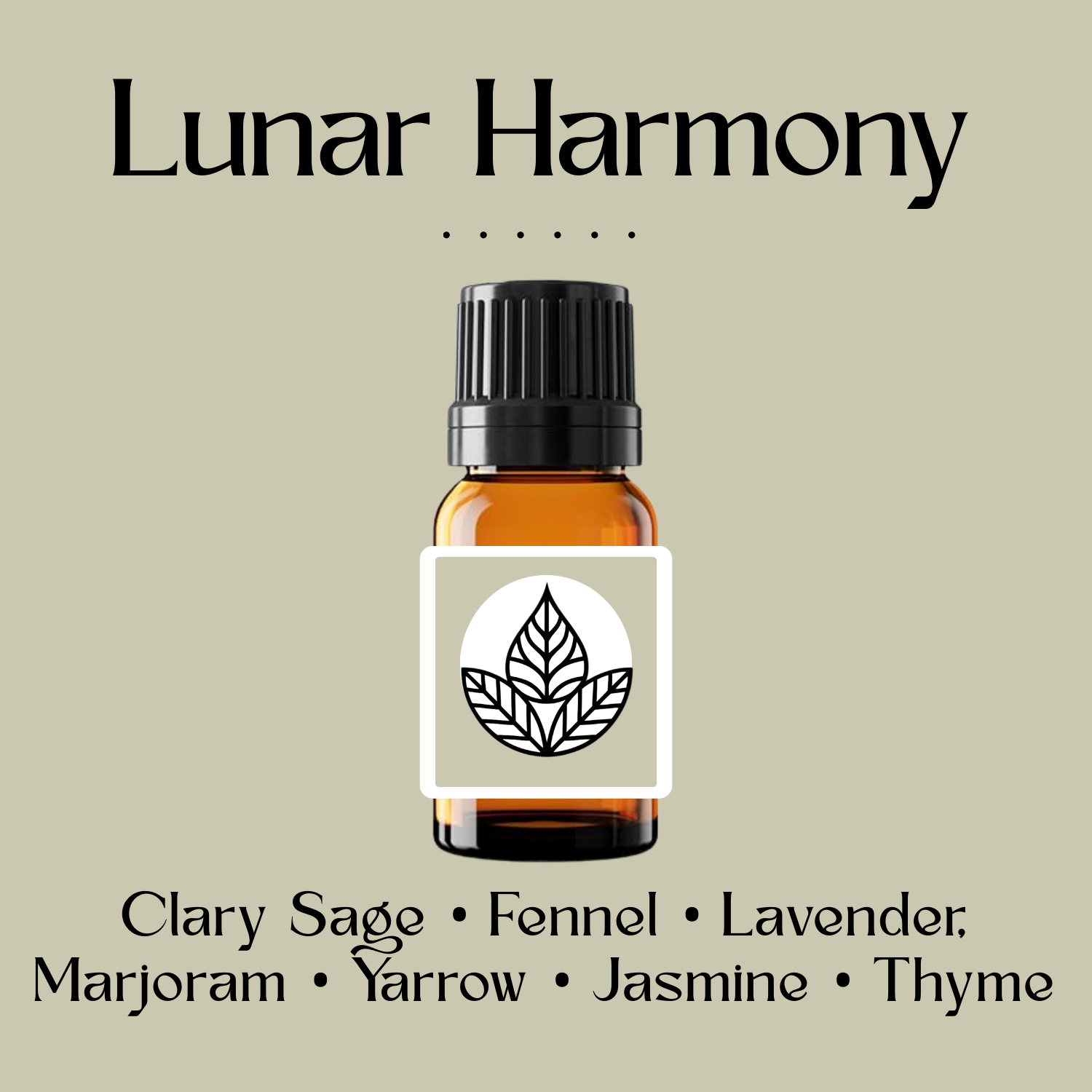
This blend supports hormonal balance, eases cramping, and overall reproductive wellness.
Helps clear petrochemicals from cell walls and supports PMS, pre- and peri-menopause, and prostate health. Apply 1 drop to the inside and outside of each ankle; for PMS, apply to temples.
Formerly called Moon Cycle
Follow the Thread below to view previous Single Oil Spotlight Articles: