Hyssop Essential Oil: A Practitioner’s Guide
Plant Part & Extraction
Steam distilled from the flowering tops and aerial parts of Hyssopus officinalis, a perennial herb in the mint family.
Hyssop essential oil has a fresh, herbaceous, slightly sweet-green aroma with soft camphoraceous undertones. It is traditionally regarded as a cleansing and spiritually purifying oil with strong respiratory and emotional clearing associations.
Properties of Hyssop Essential Oil
Traditionally described as:
Anti-spasmodic
Anticatarrhal (removes mucus)
Anti-infectious
Anti-inflammatory
Antioxidant (anti-aging)
Anti-parasitic
Antiseptic
Antiviral
Astringent
Decongestant
Diuretic
Mucolytic (thins mucus)
Sedative
Traditionally recognized for:
respiratory system clearing and mucus reduction
immune system support
calming nervous system tension
digestive and gastric support
anti-inflammatory and tissue support
emotional grounding and clarity
Aromatic & Emotional Benefits of Hyssop Essential Oil
Aromatically (breathing or diffusion), Hyssop is traditionally associated with:
stimulating creativity and meditation
enhancing centering and focus
supporting emotional release and clarity
calming nervous tension and overwhelm
easing grief-related emotional patterns
promoting mental and emotional purification
It is often described as both uplifting and grounding, especially during emotional stagnation or mental fatigue.
Common Uses for Hyssop Essential Oil
Traditionally used for:
kidney stones
anxiety
arthritis
asthma
bruises
colds
concentration support
alertness and mental clarity
coughs
dermatitis
digestive support
fatigue
fever
gas/flatulence
gout
grief support
lung clearing and respiratory support
menstrual regulation (traditional use)
nervous tension
parasitic concerns
rheumatism
scar prevention
sore throats
tonsillitis
viral infections
Additional traditional uses include:
clearing lung congestion
supporting immune response during infection
easing inflammatory conditions
supporting emotional release tied to grief and stress
Historical Uses of Hyssop Essential Oil
Botanical & Cultural Background
The name hyssop is derived from Greek hyssopos and Hebrew esob, meaning “holy herb.”
Historically, Hyssop has been associated with purification rituals and cleansing practices in ancient religious and herbal traditions. It was:
used in monastery gardens
incorporated into ritual cleansing ceremonies
used symbolically in religious art to represent humility and purification
planted in herb gardens and hedges due to its dense, bushy growth
used in sick rooms as a strewing herb to purify air
Traditional Herbal Medicine Use
Hyssop has long been used for:
coughs and catarrh (mucus conditions)
respiratory infections and congestion
wound care in traditional field remedies
cleansing practices in historical European herbal medicine
In some traditions, bruised leaves were used in poultices for wounds and infections.
Scriptural & Cultural References
Hyssop is referenced in biblical and ancient texts, including:
purification rituals (Exodus, Psalms, John references)
symbolic cleansing and spiritual renewal
traditional use in epidemic cleansing practices
It has long been associated with purification, both physical and spiritual.
Moses used this during the plagues to help curb the epidemic (Exodus 12). It is also mentioned in Leviticus and Numbers in the Old Testament.
Aromatic Profile
fresh
herbal
green
slightly sweet
camphoraceous
clean and clarifying
mildly floral-herbal
Hyssop is often described as having a “bright cleansing herbal” aroma.
Smells similar to Frankincense.
Esoteric & Energetic Uses of Hyssop Essential Oil
Astrological Association
Jupiter
Element
Fire
Crystal Associations
Lapis Lazuli
Amethyst
Character
Yang
Chakra Associations
3rd Chakra — Solar Plexus (self-image, personal power)
4th Chakra — Heart (emotional balance, compassion)
Hyssop is traditionally associated with:
emotional purification and release
clearing grief, guilt, and emotional heaviness
strengthening self-awareness and inner clarity
supporting emotional and spiritual renewal
reconnecting breath, emotion, and consciousness
Safety Data / Contraindications
Not for use during pregnancy
Not recommended for children
Avoid use in epilepsy
Use caution with high blood pressure
Dilute with carrier oil for sensitive skin
Additional Practitioner Notes
Hyssop essential oil is traditionally used in:
respiratory support blends (coughs, congestion, asthma support)
emotional cleansing and meditation blends
purification rituals and energetic clearing
nervous system balancing formulations
It is considered a potent oil and is typically used in very low dilution.
Source References
Information sourced from:
Complete Herbal (complete-herbal.com)
The Reference Guide for Essential Oils by Connie and Alan Higley
traditional European monastic herbal records
biblical and historical purification practices
Healing Drops Wellness Hyssop Blends:
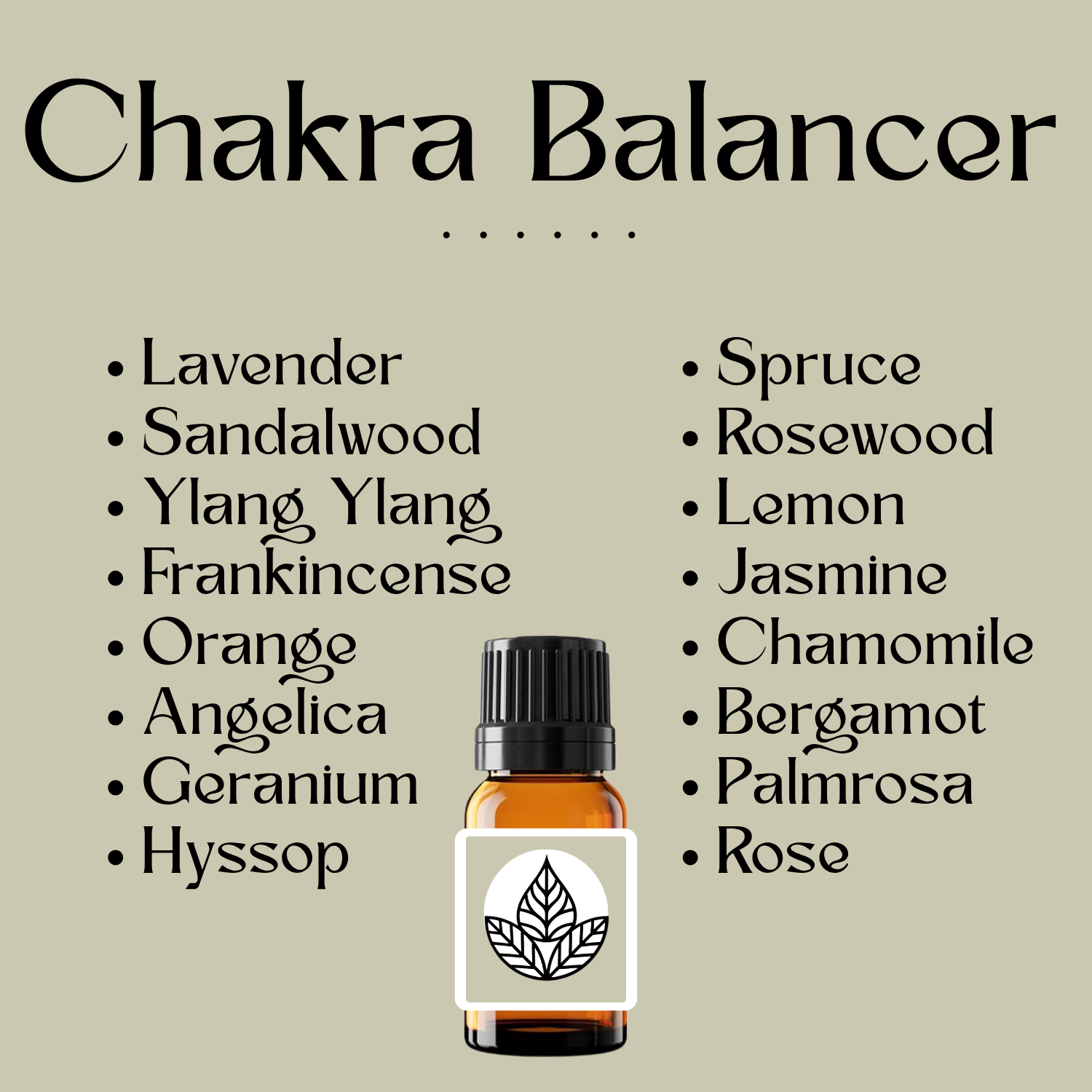
A deeply exotic, uplifting blend that creates emotional harmony, supports feelings of confidence and clarity, and helps balance all chakra energy centers.
Diffuse it to create a serene, uplifting atmosphere, perfect for meditation, yoga, or anytime you want to restore calm and clarity. This powerful combination of 16 oils was created by naturopathic doctor to balance all chakras (energetic centers), supporting emotional wellness and inner harmony.
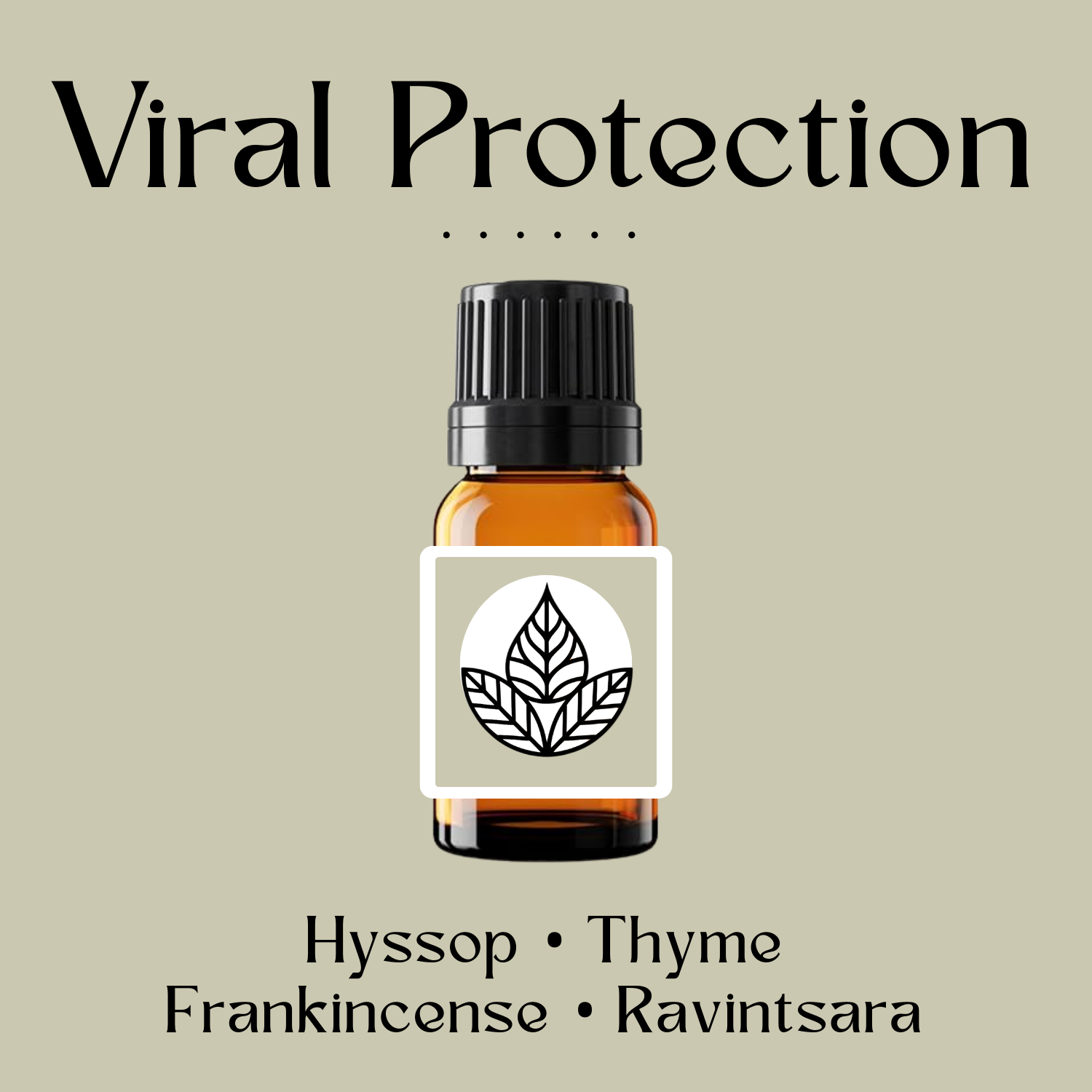
This blend is formulated to support immune defense and help cleanse the air of germs. It offers a natural alternative for maintaining wellness during cold, flu, and viral seasons.
Add to a spray bottle with distilled water to freshen the air or lightly mist pillows and the bedroom before bed. Apply 1–2 drops to the outside of the throat with a carrier oil, diffuse, or inhale directly from the bottle as needed.
Formerly called Viral Defense
Follow the Thread below to view previous Single Oil Spotlight Articles: