
Ginger Essential Oil: A Practitioner’s Guide
Plant Part & Extraction
Steam distilled from the rhizome (root) of the Ginger plant (Zingiber officinale), a member of the Zingiberaceae family (related to turmeric and cardamom).
Ginger essential oil is a warming, stimulating oil traditionally used for digestive support, circulation, nausea relief, and emotional grounding. Its aroma is spicy, warm, dry, and slightly woody—more subtle than fresh ginger root.
Properties of Ginger Essential Oil
Traditionally described as:
Antiseptic
Laxative
Stimulant
Tonic
Warming
Traditionally recognized for:
digestive stimulation
circulatory support
respiratory warming
nausea relief
anti-inflammatory support
nervous system stimulation
One of the “Sesquiterpene” Essential Oils
Sesquiterpene-rich oils are traditionally discussed for their ability to cross the blood-brain barrier.
These oils have historically been explored in supportive wellness applications involving:
ALS
MS
Parkinson’s
Dementia
Documented by the Universities of Berlin and Vienna, 1994.
Other sesquiterpene-rich essential oils include:
Frankincense
Sandalwood
Vetiver
Myrrh
Patchouli
Cedarwood
Aromatic & Emotional Benefits of Ginger Essential Oil
Aromatically, Ginger is traditionally associated with:
physical energy and vitality
emotional warmth and courage
strengthening motivation
supporting feelings of confidence and groundedness
enhancing drive and persistence
stimulating emotional and physical “fire”
It is often used when there is emotional stagnation, fatigue, or lack of motivation.
Common Uses for Ginger Essential Oil
Traditionally used for:
angina
diarrhea
gas/flatulence
indigestion
morning sickness
motion sickness
nausea and vomiting
rheumatic fever
scurvy
teething pain
tonsillitis
vertigo
digestive weakness
Additional traditional uses include:
alcoholism (supportive use)
arthritis
broken bones (supportive use)
catarrh (mucus)
chills
colds and flu
colic
congestion
cramps
infectious disease support
memory support (traditional claim)
muscular aches and pains
sinusitis
sore throats
sprains
rheumatism
French Medicinal Uses
(Traditional French aromatherapy systems)
Used for:
angina
prevention of contagious diseases (traditional use)
diarrhea
impotence (traditional use)
rheumatic pain
scurvy
tonsillitis
Aromatic & Traditional Therapeutic Applications
Ginger is widely used for:
nausea and motion sickness support
digestive stimulation after meals
warming blends for cold conditions
circulation support formulas
fatigue and low-energy states
respiratory warming blends
It is often considered one of the most reliable oils for acute digestive discomfort.
Historical Uses of Ginger Essential Oil
Ginger has been used for over 5,000 years across Asia and beyond.
Ancient Origins
Native to Southeast Asia
Used in traditional Chinese and Indian medicine as a tonic root
Considered a universal warming remedy
Ancient Civilizations
Egyptians used ginger in cuisine and to ward off epidemics
Greeks used it in early medicinal and culinary preparations
Romans valued ginger for digestion and stimulation
Trade History
Exported from India to Rome early in trade history
Became highly valuable after the fall of the Roman Empire
Controlled by Arab traders during the medieval spice trade
Once valued at the price of a live sheep per pound
Cultural Use
Used in Indian teas for digestive support
Used in Chinese tonics for circulation and congestion
Used in Hawaiian traditions for scenting, cooking, and medicinal applications
Became widely cultivated in tropical regions globally
Culinary History
Used in gingerbread and sweets for centuries
Became popular in European cooking during the medieval period
Associated with festive traditions (e.g., gingerbread figures)
Aromatic Profile
warm
spicy
dry
earthy
slightly woody
sharp and stimulating
Ginger oil is less sweet than fresh ginger root and more concentrated in warmth and spice.
Esoteric & Energetic Uses of Ginger Essential Oil
Astrological Association
Mars
Element
Fire
Crystal Association
Rhodochrosite
Number
8
Character
Yang
Chakra Associations
1st Chakra — Root (security, survival energy)
3rd Chakra — Solar Plexus (self-worth, confidence, personal power)
Balances overall energy flow
Ginger is traditionally associated with:
strengthening courage and willpower
increasing motivation and life force energy
grounding scattered energy
supporting emotional resilience
activating personal drive and ambition
Contraindications
Not for children under 6
Use cautiously for children over 6
Avoid sun exposure 3–6 hours after topical use (traditional caution noted in aromatherapy systems)
Use carrier oil for sensitive skin
Additional Practitioner Notes
Ginger essential oil is traditionally used for:
motion sickness blends
digestive emergency support (nausea, vomiting, vertigo)
warming massage oils for muscles and joints
energy-boosting diffuser blends
foot reflex applications for systemic effects (traditional practice)
It is often considered one of the most effective oils for nausea and dizziness support.
Source References
Information sourced from:
The Reference Guide for Essential Oils by Connie and Alan Higley
traditional Chinese, Indian (Ayurvedic), Egyptian, and Mediterranean herbal systems
historical spice trade and ethnobotanical records
Healing Drops Wellness Ginger Blends:
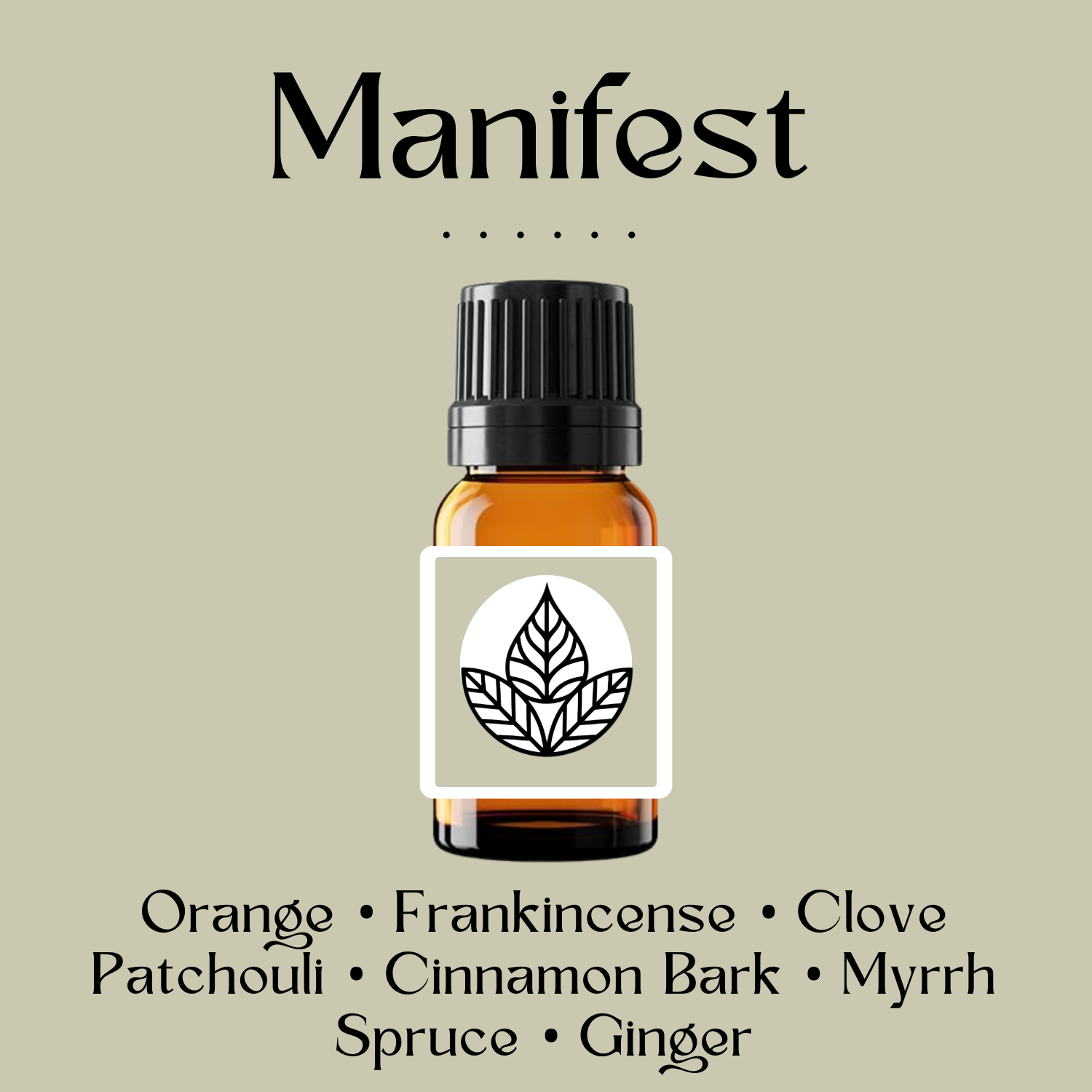
A high-vibration blend with an aphrodisiac scent that attracts abundance—spiritually, physically, and financially. Antiviral and energetically amplifying, it can be applied to personal items to enhance your intentions.
Formerly called Law of Attraction
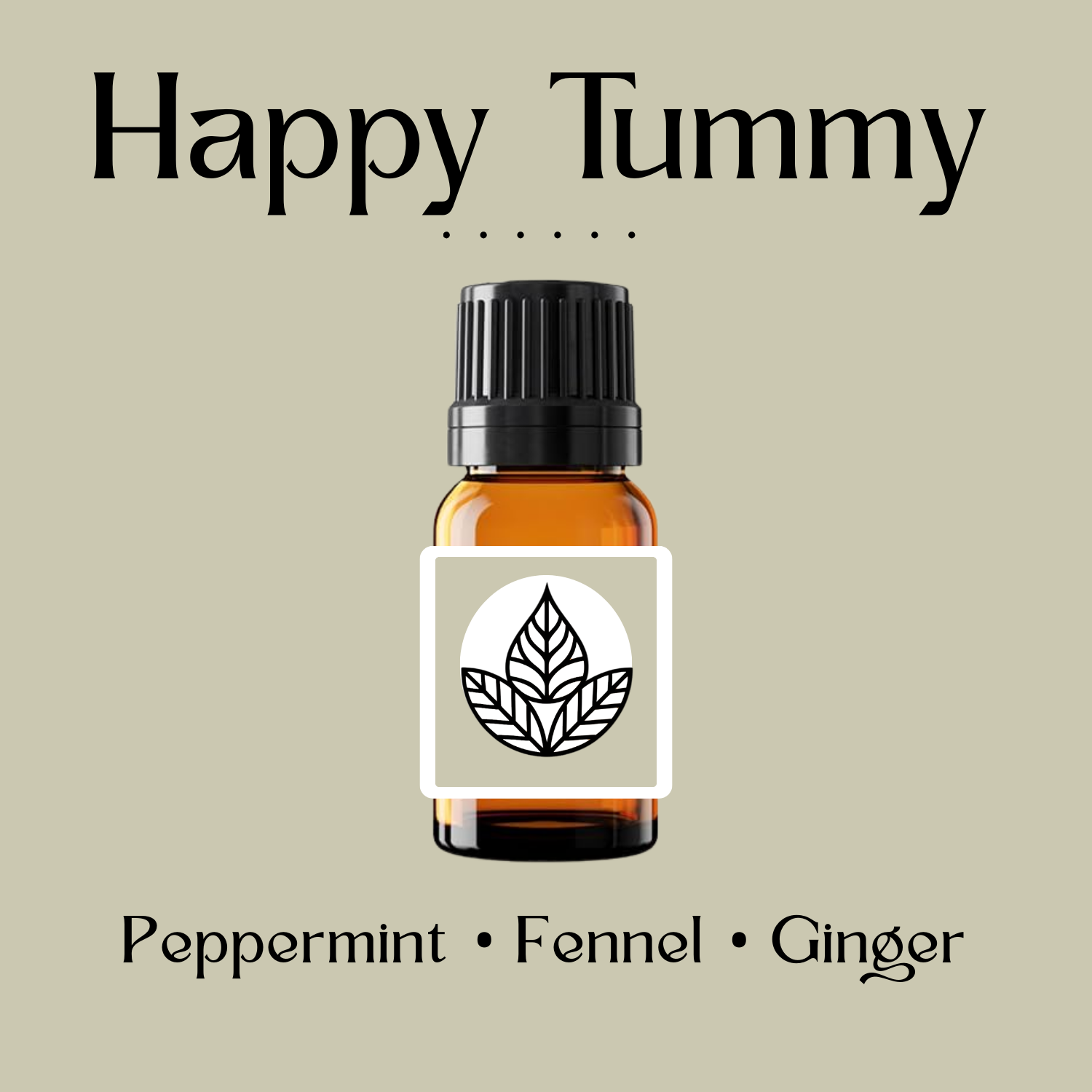
This fast acting blend is crafted to support a happy, comfortable tummy. It may help relieve stomach pain, quiet digestive rumbling, and ease nausea.
Apply 1 drop to the top of the tummy, or take 1 drop orally. Reapply as needed.
Formerly called Indigestion Blend
Follow the Thread below to view previous Single Oil Spotlight Articles: