Myrtle Essential Oil: A Practitioner’s Guide
Properties of Myrtle Essential Oil
• antibacterial
• anti-inflammatory
• anti-parasitic
• antiseptic
• astringent
• expectorant
• decongestant
• deodorizing
Aromatic & Emotional Benefits of Myrtle Essential Oil
Traditionally described as:
• elevating
• euphoric
• soothing for anger
Common Uses for Myrtle Essential Oil
Traditionally used for:
• hypothyroid support
• coughs
• flu
• asthma
• cystitis
• diarrhea
• dysentery
• digestion
• flatulence
• hemorrhoids
• immune support
• pulmonary wellness
• sinusitis
• acne
• blemishes
• bruises
• oily skin
• psoriasis
French Medicinal Uses of Myrtle Essential Oil
(French medical doctors are considered highly advanced in the traditional use of essential oils.)
Traditionally used for:
• bronchitis
• coughs
• flu
• hypothyroidism
• insomnia
• ovarian support
• prostate decongestant
• sinus infections
• tuberculosis
• ureter infections
Historical Uses of Myrtle
The exact origin of Myrtle is unknown, although it is generally considered native to the Mediterranean region, North Africa, and the Middle East.
This aromatic plant held an important place in ancient mythology and traditional herbal systems.
Myrtle became closely associated with Aphrodite, the Greek goddess of love, beauty, and fertility. Roman mythology later connected Myrtle to Venus, where it symbolized love, femininity, purity, and devotion.
Roman women wore Myrtle wreaths and bathed in Myrtle-scented water.
Myrtle later became connected with European wedding traditions and royal ceremonies. Queen Victoria helped establish the royal bridal Myrtle tradition, which continues today in royal weddings including Queen Elizabeth II, Princess Diana, and Kate Middleton.
In Judaism, Myrtle is known as Hadassah, the birth name of Queen Esther.
Source: herbs-herbal-supplements.knoj.com
Esoteric & Energetic Uses of Myrtle Essential Oil
Astrological: Venus and Mercury
Character: Yang with strong Yin influence
Element: Water
Chakra Association
7th Chakra — Crown
(connection with Source)
Safety & Contraindications
• not for children under 6
• use caution for children over 6
Source: The Reference Guide for Essential Oils by Connie and Alan Higley.
Healing Drops Wellness Myrtle Blends
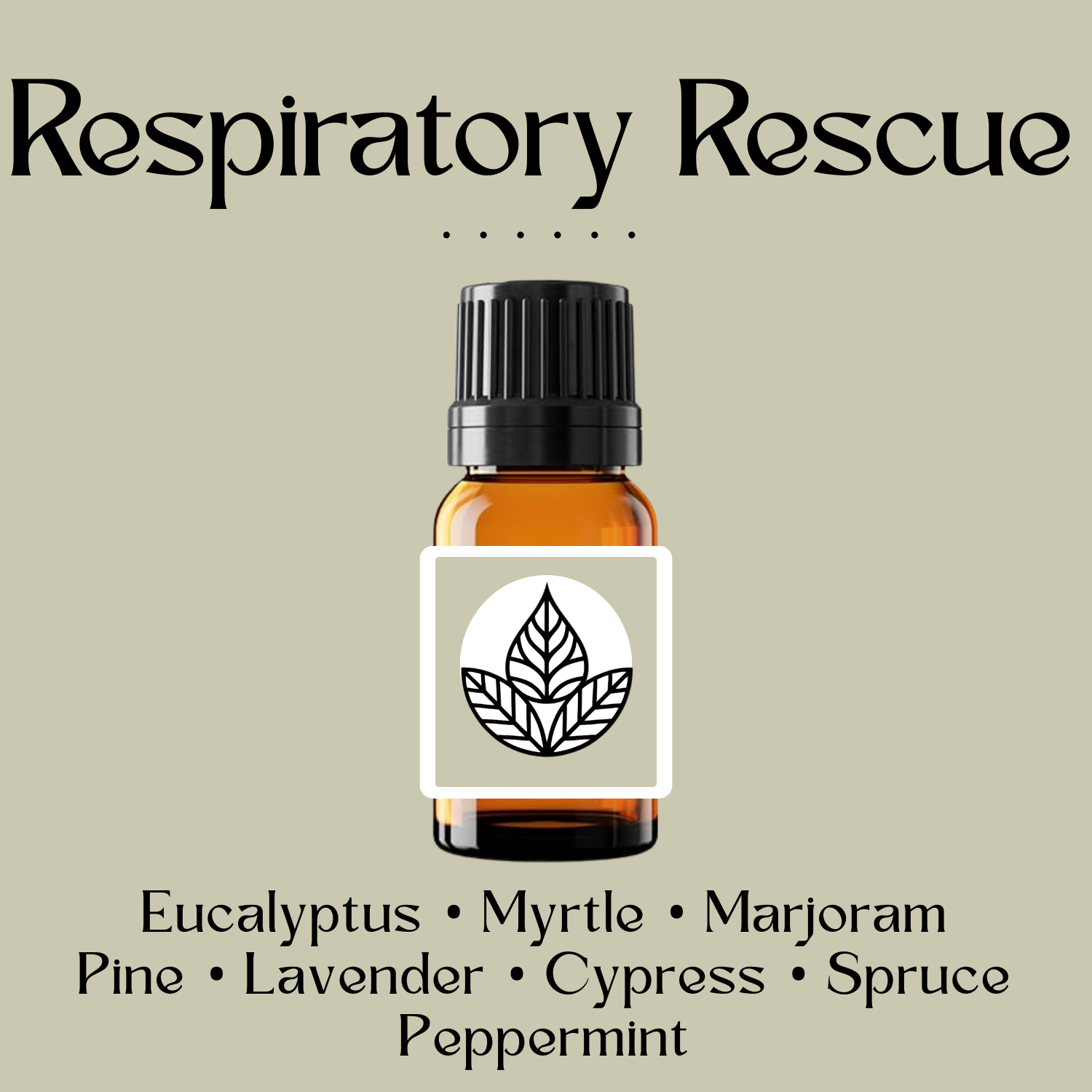
Breathe easier with Respiratory Rescue. Formulated by a naturopathic doctor to support lungs, relieve sinus issues, and soothe symptoms of allergies, flu, bronchitis, and more. Apply to chest and temples for natural relief.
3 Eucalyptus used: globulus, citriodora, radiata
Formerly called 3 Eucalyptus Lung.
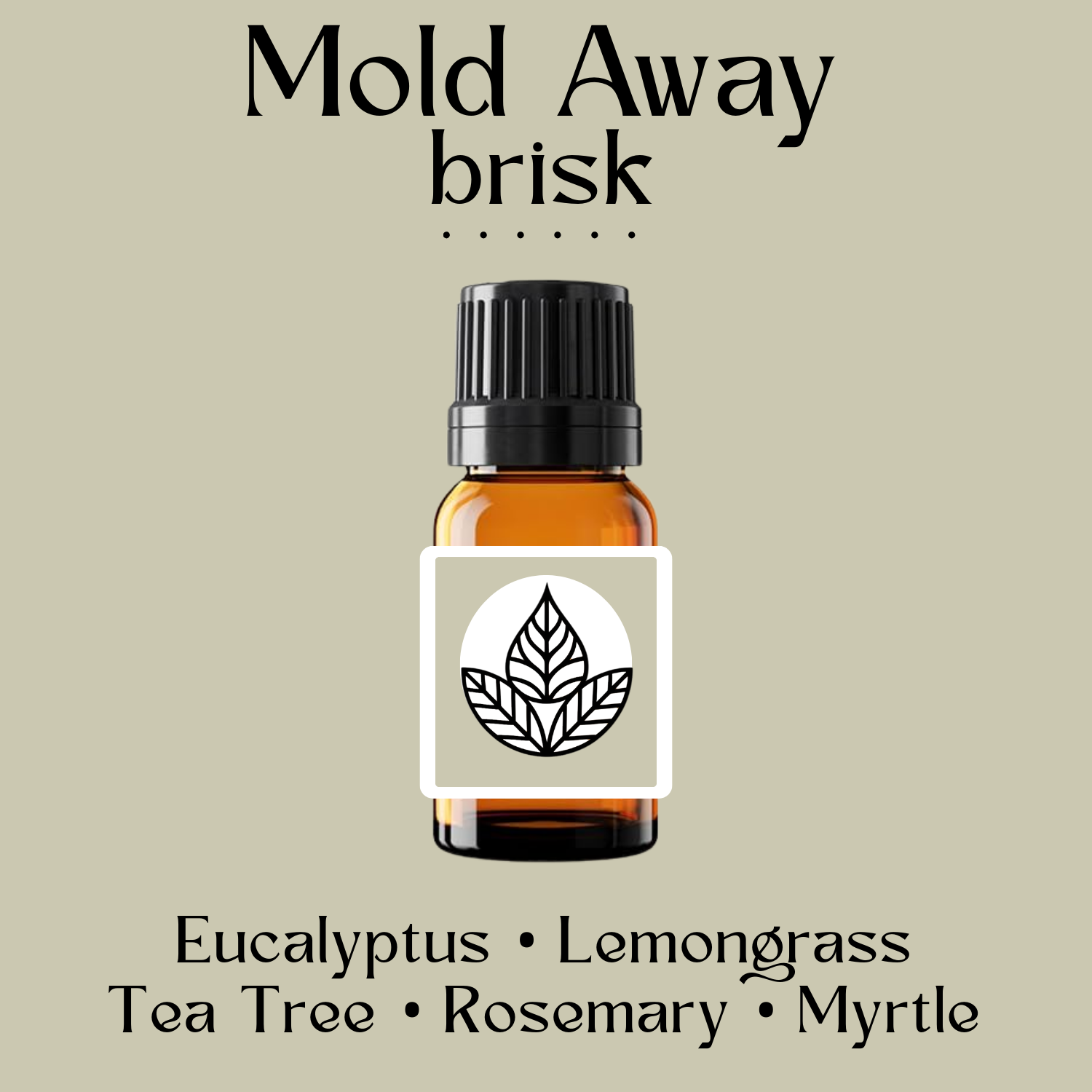
This effective blend targets mold in your home, with a bright, fresh aroma. Apply to A/C filters, diffuse in your home or office, or mix with water for a spray.
In addition to mold removal, it helps fight odors, anaerobic bacteria, and mildew, repels insects, and minimizes reactions from bites by spiders or bees. It is also effective against candida albicans (body fungus or yeast infections).
Apply 2 drops to the body as needed, up to once per hour. Use a carrier oil for sensitive skin or for broader application.
Formerly called Anti-Mold #2
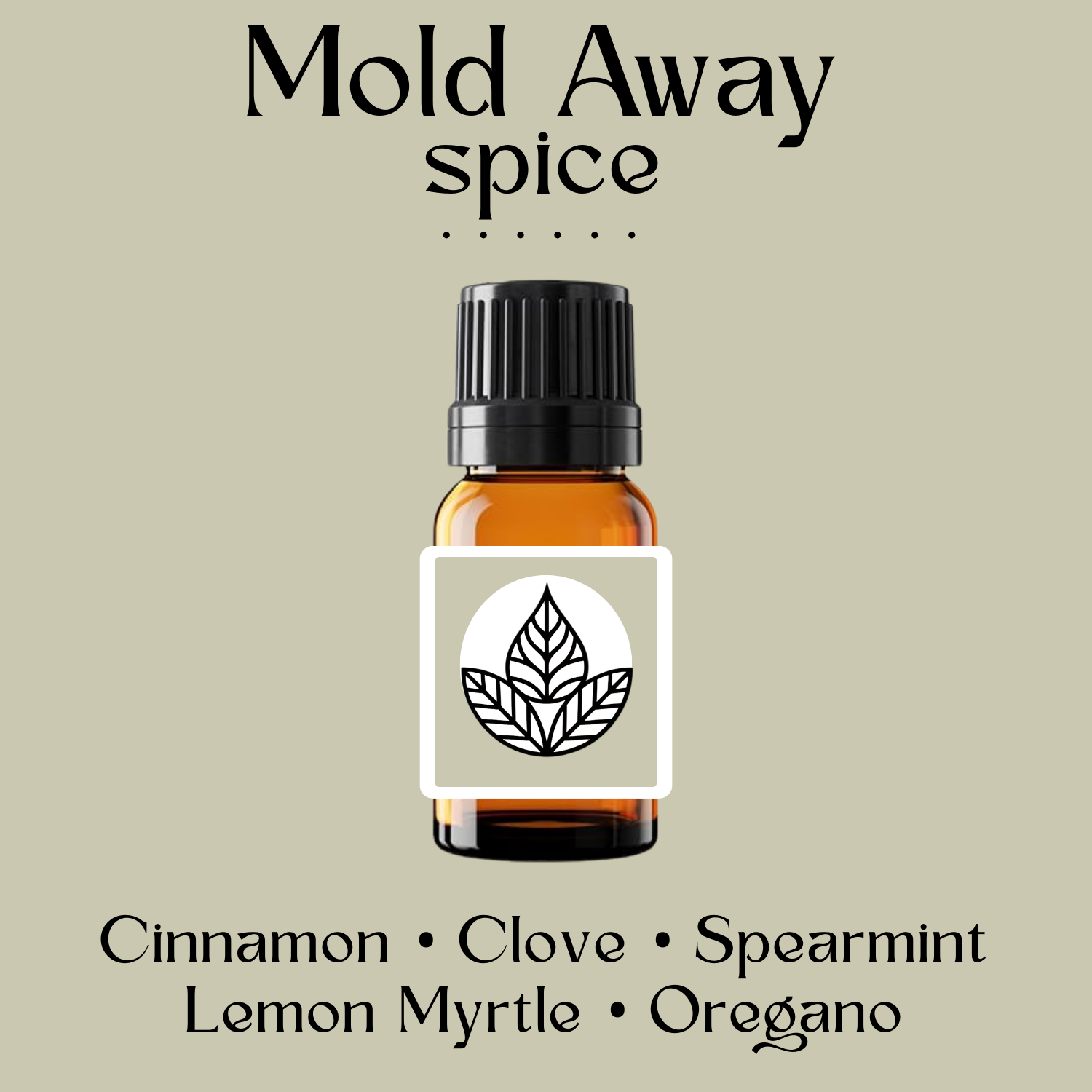
This potent blend is designed to help eliminate mold in your home, with a warm, spicy aroma. Use it on A/C filters, diffuse in your office or living space, or dilute in water as a spray.
It also helps neutralize odors, combat anaerobic bacteria and mildew, repel insects, and reduce the effects of insect bites from spiders and bees. Additionally, it is effective against candida albicans (body fungus or yeast infections).
Apply 2 drops to the body as needed, up to once per hour. Use a carrier oil for sensitive skin or to cover larger areas.
Formerly called Anti-Mold #1
Note: Lemon Myrtle essential oil is very different from Myrtle essential oil in both aroma and properties. It is not currently listed on the website but is available upon request via email.
Follow the Thread below to view previous Single Oil Spotlight Articles: