
Lemon Essential Oil: A Practitioner’s Guide
Plant Part & Extraction
Cold pressed (expression) from the fresh peel of Citrus limon fruit (lemon).
Lemon essential oil is a bright, highly aromatic citrus oil with a sharp, fresh, uplifting scent. It is one of the most widely used essential oils in traditional aromatic and folk practices for cleansing, clarity, and purification.
Properties of Lemon Essential Oil
Traditionally described as:
Antiseptic
Antiviral
Antibacterial
Antifungal
Antioxidant
Astringent
Tonic
Detoxifying (traditional use)
Stimulant
Purifying
Traditionally recognized for:
immune system support
respiratory cleansing
lymphatic stimulation
digestive support
mental clarity and focus
surface cleansing and sanitation
circulatory stimulation
skin toning (topical dilution)
Aromatic & Emotional Benefits of Lemon Essential Oil
Aromatically, Lemon is traditionally associated with:
uplifting mood and reducing emotional heaviness
improving concentration and mental clarity
easing feelings of grief, fatigue, or stagnation
promoting emotional “fresh starts”
increasing motivation and alertness
supporting stress reduction through brightness and clarity
restoring emotional lightness and optimism
It is often described as an oil that “clears mental fog and emotional heaviness.”
Common Uses for Lemon Essential Oil
Traditionally used for:
air purification and odor neutralizing
kitchen and bathroom disinfecting (surface use)
digestive sluggishness (traditional internal/folk use varies by system)
colds and seasonal discomfort
concentration and study support
fatigue and low motivation
gout and joint discomfort (traditional topical blends)
headaches and hangover support
heartburn and digestive imbalance (traditional use)
lymphatic stagnation
skin cleansing and oil balancing (diluted topical use)
varicose vein support (traditional topical use)
water purification (historical/folk practice)
cholesterol and circulation support (traditional claims)
Additional traditional associations include:
supporting detoxification processes
improving mental alertness
supporting immune defense
reducing greasy residues (cleaning applications)
French Medicinal & Aromatic Traditions
In traditional French aromatherapy systems, Lemon essential oil has been used for:
blood purification concepts
digestive stimulation
lymphatic drainage support
respiratory cleansing
mental stimulation and clarity
fatigue and low mood support
general tonic applications
Contraindications
Phototoxic: avoid direct sunlight or UV exposure for up to 12 hours after topical application
Always dilute before skin application
May irritate sensitive skin in high concentrations
Internal use only under qualified professional guidance (varies by region/system)
Esoteric & Energetic Uses of Lemon Essential Oil
Astrological Association
Sun (Solar energy, vitality, clarity)
Character
Yang (active, cleansing, expressive energy)
Number
7 (clarity, insight, purification)
Chakra Association
3rd Chakra — Solar Plexus (self-esteem, personal power, identity)
Lemon is traditionally associated with:
clearing emotional heaviness and stagnation
restoring confidence and self-image
energetic purification of spaces and aura
increasing optimism and personal drive
lifting “dense” emotional states
History of Lemon
Lemon (Citrus limon) is believed to have origins in the regions of India and China, later spreading through the Middle East and Mediterranean trade routes.
Known in ancient China, India, and Mesopotamia for antiseptic and cleansing properties
Considered protective in some Muslim cultural traditions
Used in ancient Egypt for preservation and ritual applications
Introduced to Greece and Rome as a luxury aromatic and ornamental fruit
Widely spread through Arab trade into Sicily around 1000 AD
Cultivated in Europe (notably Genoa) by the 15th century
Introduced to the Americas following European exploration
During the 18th century, lemon juice became widely recognized for helping prevent scurvy among sailors due to its vitamin C content.
Fun Facts
“Pharaoh’s Lemonade” (qatarmizat)
Around 500 AD in ancient Egypt, a beverage made from lemon juice and sugar cane was known as qatarmizat. According to tradition, it was reserved for royalty.
First commercial lemonade (1630, Paris)
Lemonade was first sold as a street beverage in Paris, made from lemon juice, honey, and sparkling water.
Source References
Reference Guide for Essential Oils — Connie and Alan Higley
historical aromatherapy and Mediterranean herbal tradition records
Healingg Drops Wellness Lemon Blends:
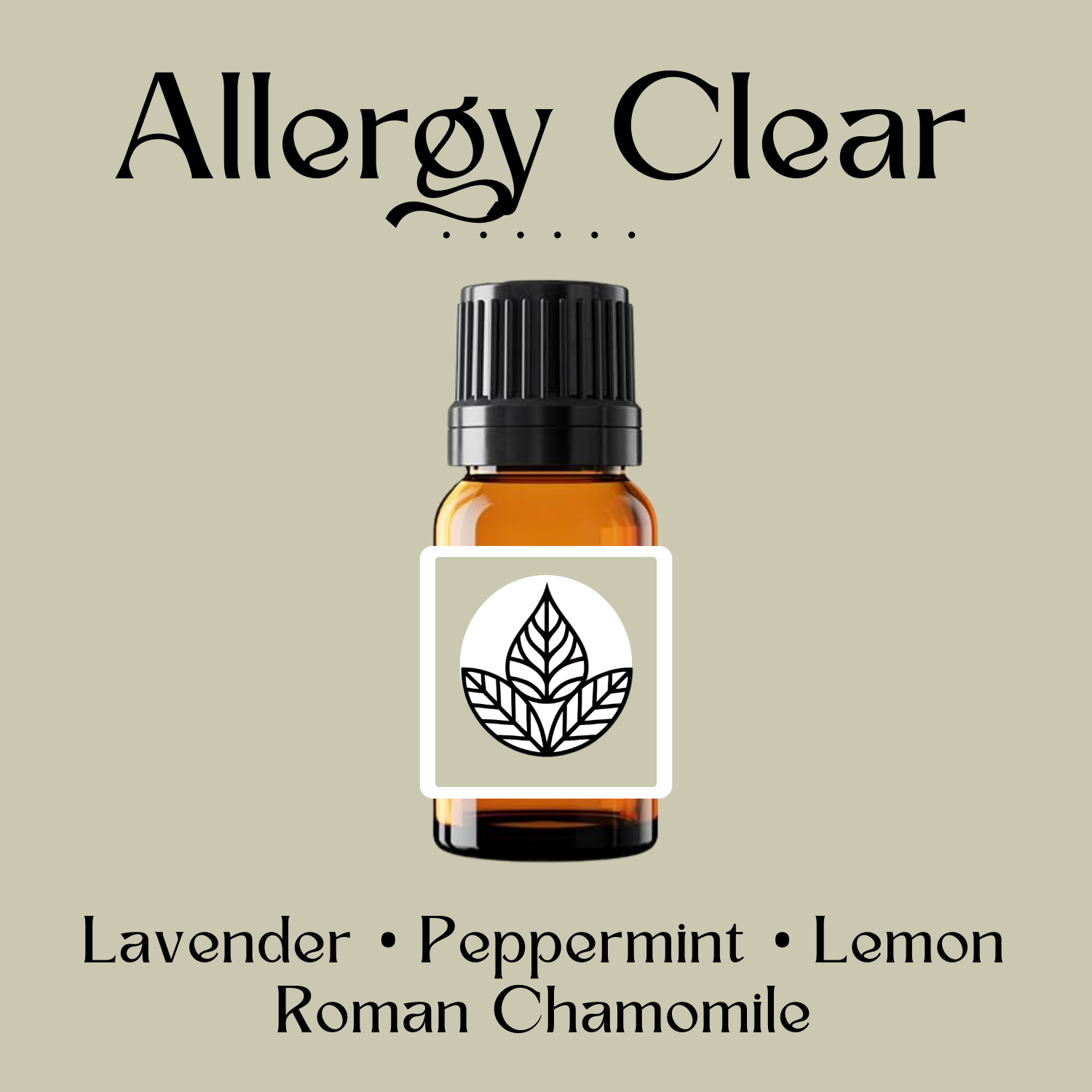
This supportive blend is designed to help ease seasonal and environmental allergy discomfort while promoting overall comfort. It may help calm respiratory irritation and support digestive balance often affected by sensitivities.
Diffuse as needed, inhale directly from the bottle, or apply 1–2 drops to the temples and brain stem for respiratory support. For digestive support, apply 1 drop to the tummy.
Formerly called Allergy Relief
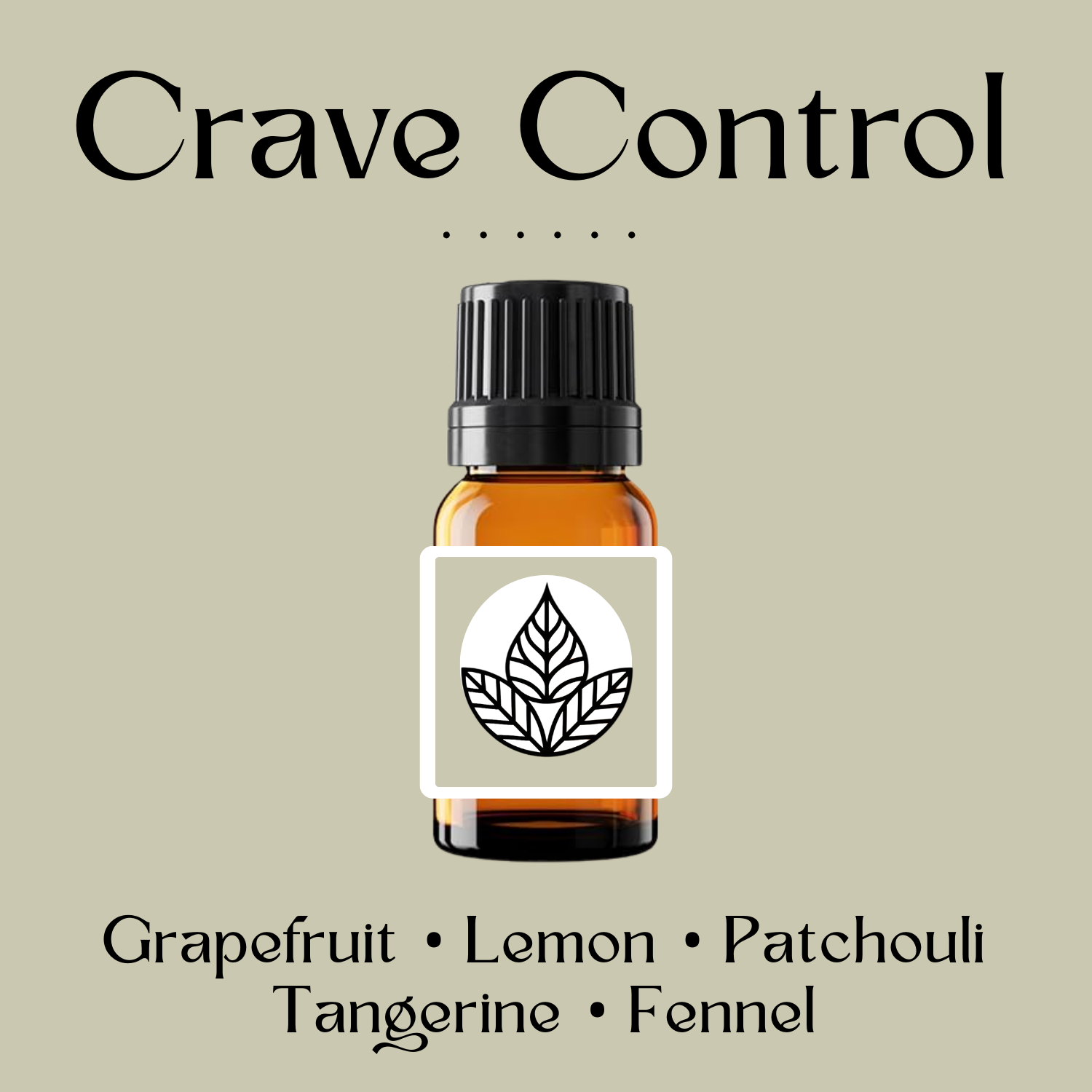
This supportive blend is designed to help curb cravings while providing an uplifting sensory experience.
Inhale deeply several times throughout the day and/or add 1 drop to a glass of water. For topical use, apply 1–2 drops neat or diluted with a carrier oil to the temples, wrist pulse points, or back of the neck. Pleasant in both aroma and taste.
Formerly called Appetite Control
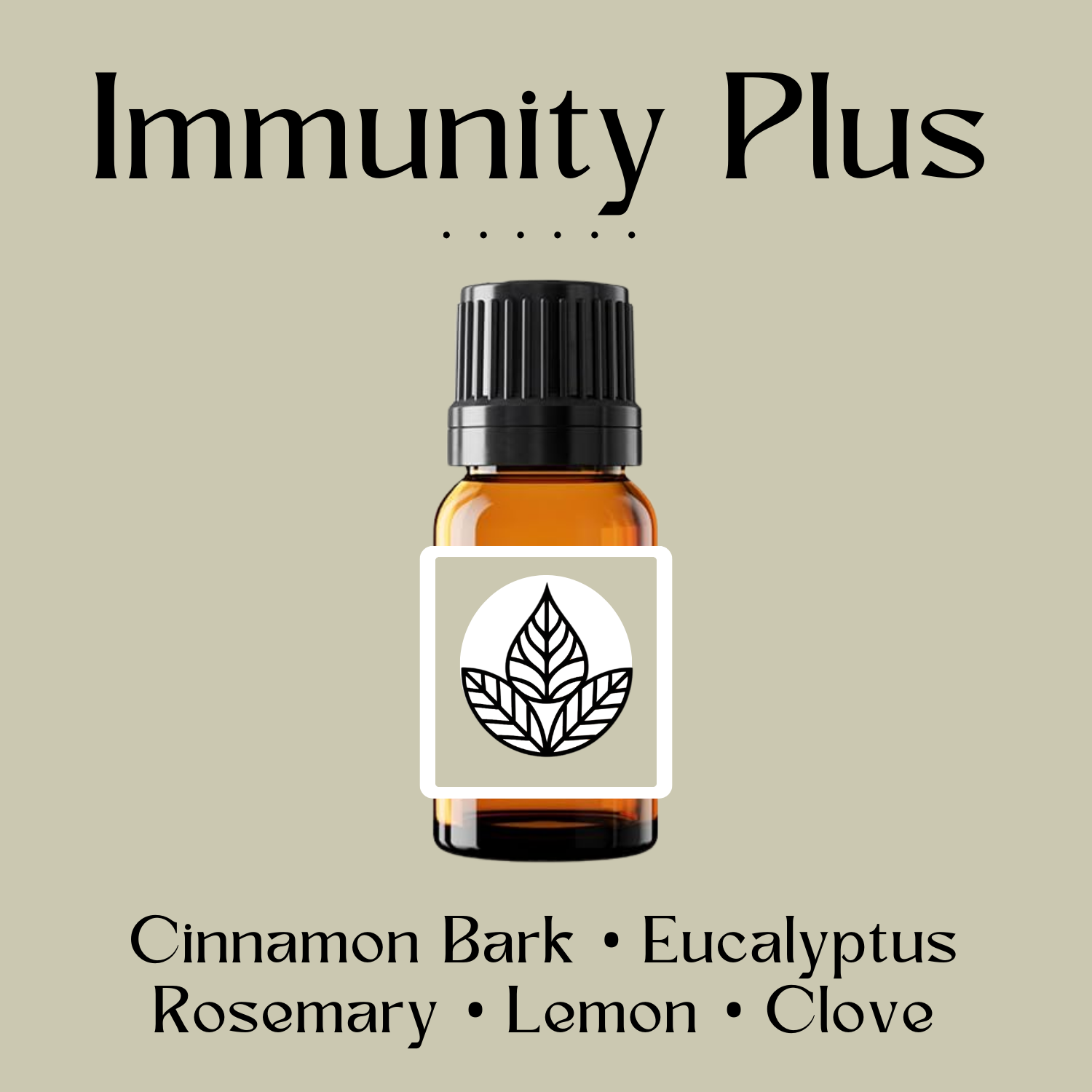
A powerful immune defense blend that strengthens your body’s natural protection and helps fight off viruses and bacteria. Use at the first sign of illness or as a daily shield—apply to the throat with carrier oil, place a drop in the mouth, diffuse, or breathe deeply to stay fortified. Inspired by a time-tested recipe from the Archives of the London Library and commonly known as Thieves.
Formerly called Immune Shield
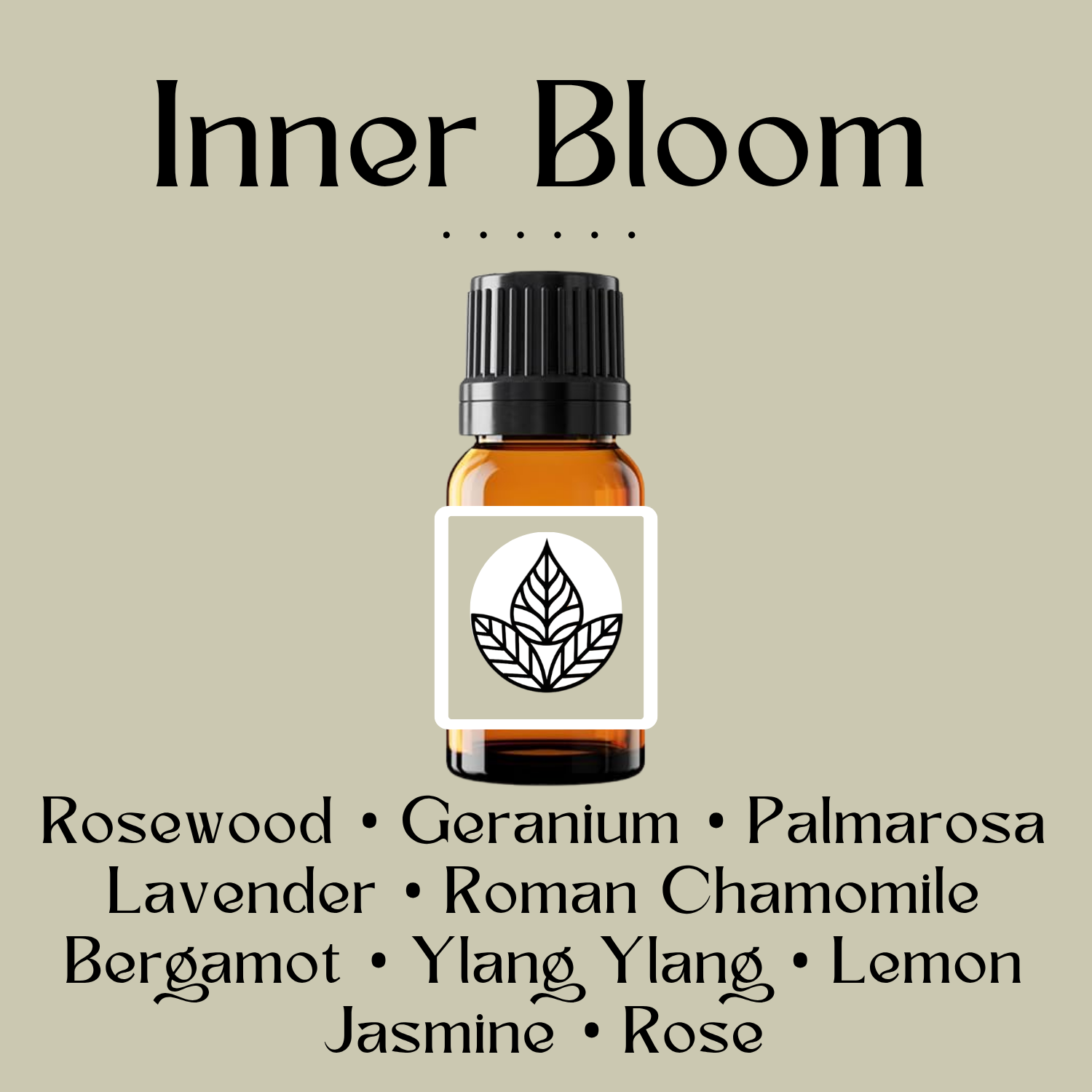
A gentle, nurturing blend that promotes calm, emotional healing, and heart-centered connection. Perfect for mothers and babies, mothers-to-be, or anyone reconnecting with their inner child. Encourages serenity, self-love, and the blossoming of new beginnings. Apply to body, add to lotions, or diffuse. Excellent for skin cell renewal and stretch marks.
Formerly called Inner Child
Follow the Thread below to view previous Single Oil Spotlight Articles: