Helichrysum Essential Oil: A Practitioner’s Guide
Traditional Use, Applications, and Practical Notes
Helichrysum essential oil is one of the most revered oils in aromatic medicine, often called the “everlasting” or “immortal” oil for its remarkable reputation in skin repair and tissue support.
Derived from the golden flowers of the Helichrysum plant, this oil has been traditionally used for healing, regeneration, and deep restoration—both physically and emotionally.
Properties & Benefits
In traditional aromatic systems, helichrysum is described as:
• anticatarrhal (supports mucus balance)
• anticoagulant
• antioxidant
• antispasmodic
• expectorant
• mucolytic (thins mucus)
It is commonly used to support:
tissue repair and regeneration
circulation and blood flow
respiratory health
skin healing and anti-aging support
lymphatic drainage and detoxification
Common Uses
Helichrysum is traditionally used for support with:
bruising and tissue trauma
burns and skin damage
scarring and skin repair
eczema, dermatitis, and psoriasis
circulatory concerns
nerve-related discomfort (sciatica, tinnitus)
Other traditional uses include support for:
cholesterol balance
liver and gallbladder function
digestive discomfort
respiratory congestion
varicose veins
sun-exposed skin
Helps calm anger, stops bleeding, detoxifies liver, increases circulation, gallbladder infections, improves hearing, regenerates tissue, reduces pain, drains lymph, regenerates tissue, educes scarring, varicose veins.
French Medical & Traditional Applications
In advanced aromatherapy traditions, helichrysum has been used for:
blood cleansing and detoxification
lymphatic drainage
liver cell support
reducing pain and inflammation
supporting circulation
skin regeneration and healing
It has also been traditionally referenced for:
hematomas
phlebitis
sinus infections
viral colitis
pancreatic and digestive support
Physical & Skin Applications
Helichrysum is especially valued for skin and tissue repair.
Traditional applications include:
reducing the appearance of scars
supporting wound healing
calming inflamed or damaged skin
supporting aging skin
soothing bruises and swelling
It is often included in:
facial serums
healing balms
post-sun skin care
targeted spot treatments
Emotional & Mental Support
Helichrysum carries a subtle yet powerful emotional effect.
Traditionally used to support:
release of anger and emotional tension
forgiveness and emotional processing
inner clarity and awareness
calmness during stress or shock
Aromatically, it is believed to help:
“cut through” emotional barriers
soften resentment
encourage emotional movement forward
Aromatic & Energetic Influence
Helichrysum has a unique aroma:
sweet
warm
slightly honey-like
herbaceous and rich
Energetically associated with:
emotional clarity
intuition
inner vision
deep healing
Chakra / Energy Center:
Third Eye (6th – intuition and insight)
Historical Context
The name Helichrysum comes from the Greek:
Helios = Sun
Chrysos = Gold
Referring to its bright golden flowers.
It is native to regions including:
South Africa
Morocco
France
Italy
Greece
Spain
Historically, it has been used for:
• herbal medicine since ancient Greece
• wound and skin healing
• rheumatism and inflammation
• strewing herbs in medieval Europe
• culinary uses (especially in Italy)
In South Africa, it is known as a plant whose flowers retain their color for years, symbolizing longevity and endurance.
Species Differences (Practitioner Insight)
Helichrysum italicum (Corsica)
• high in neryl acetate → calming, antispasmodic
• contains curcumene → supports tissue repair
• known for skin healing and regeneration
• aroma: warm, honey-like, soft, slightly fruity
Often used for:
skin repair
scarring
muscle tension
emotional calming
Helichrysum gymnocephalum (Madagascar / South Africa)
• high in 1,8-cineole → respiratory support
• contains para-cymene → analgesic, anti-infectious
• more stimulating and clearing
Often used for:
respiratory congestion
colds and flu
pain relief
infections
head tension
Aroma: sharper, fresher, more similar to eucalyptus
Esoteric & Energetic Traditions
Astrological: Jupiter
Character: Yin
Helichrysum is often associated with:
inner vision
clarity
emotional transformation
deep healing
Safety Notes
• not recommended for children under 6
• use caution with children over 6
• always dilute before topical use
• very potent—use in small amounts
Practitioner Insight
Helichrysum is considered a specialty oil—often used with intention rather than daily.
It is especially valuable when there is a need for:
deep skin repair
visible scar support
circulatory or lymphatic support
emotional release and healing
It is one of the most sought-after oils for visible results in skin transformation.
Summary
Helichrysum essential oil is traditionally used for:
skin repair and regeneration
scar support
circulatory and lymphatic support
respiratory health
emotional healing and release
Its core identity is simple:
a deeply restorative oil that supports healing—at the surface and far beneath it.
Final Thought
Helichrysum restores what has been damaged.
It renews…
it softens…
and it reminds the body how to heal.
Healing Drops Wellness Helichrysum Blends:
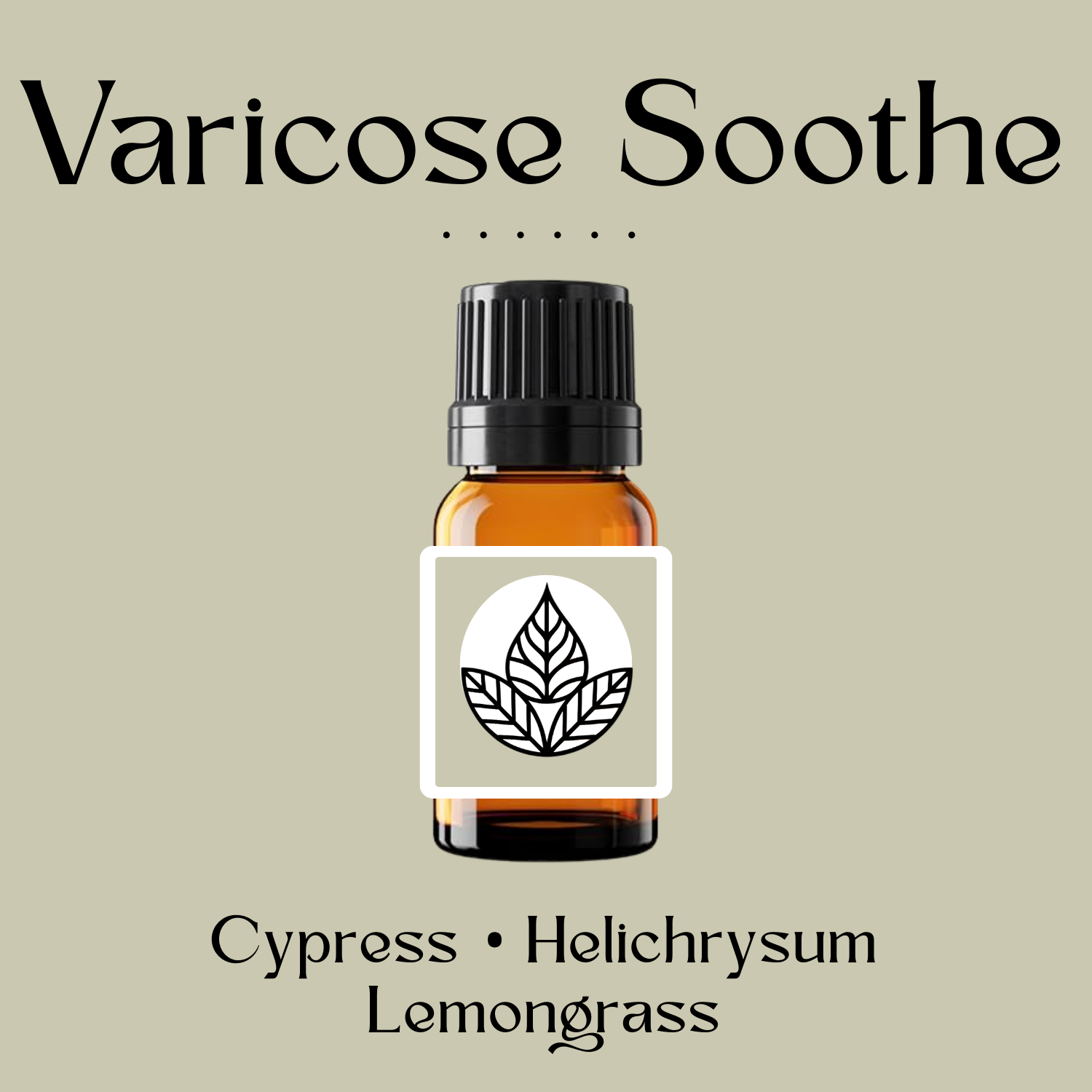
This blend is designed to support healthy circulation and vascular strength. It may help maintain strong capillaries, promote blood flow, and support overall cardiovascular wellness.
Apply 1 drop to each leg to address varicosities, and 1 drop to the back of the neck as a preventative measure for strokes. Reapply as needed, up to once per hour.
Formerly called Varicose Blend
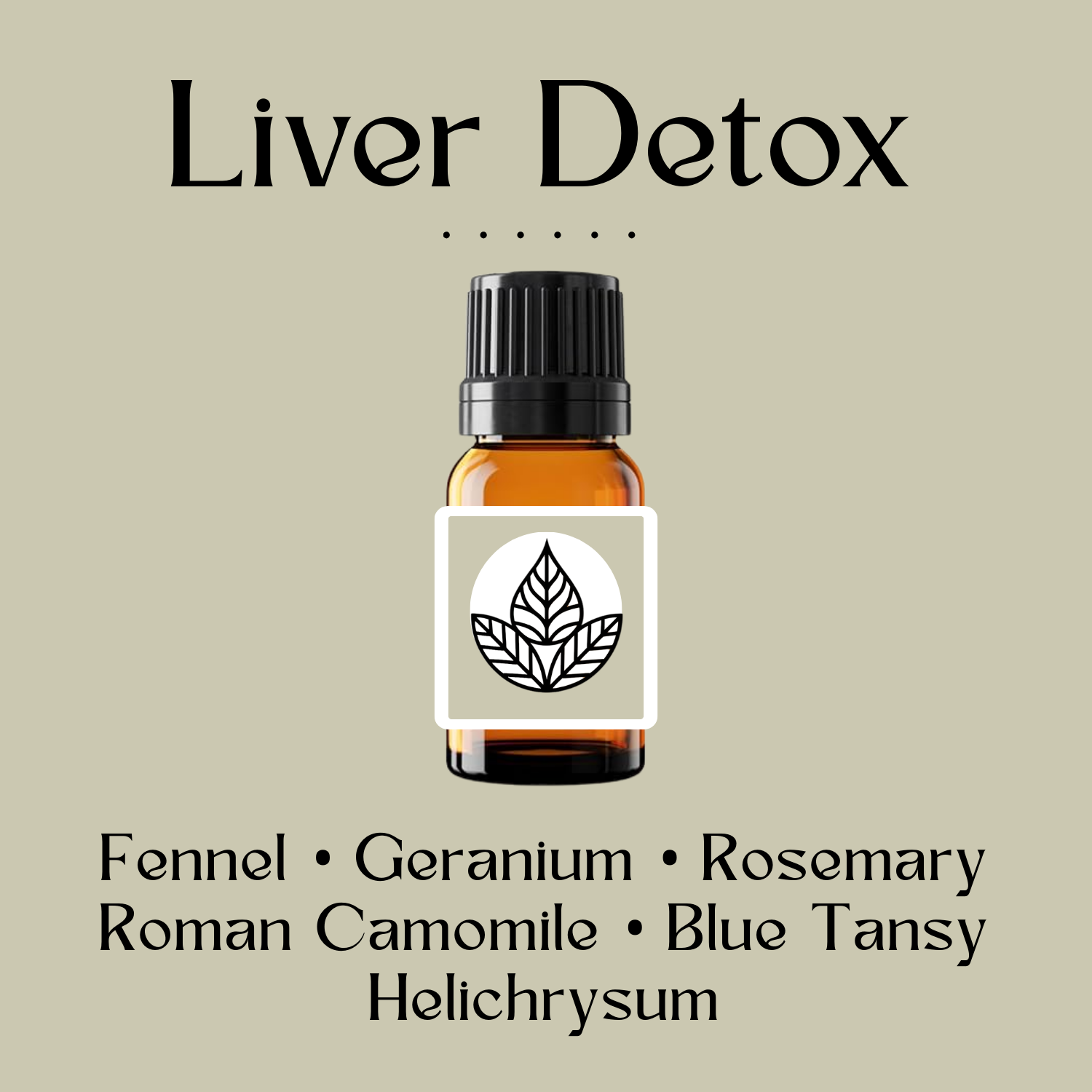
This blend is designed to support liver detoxification, strengthen the lymphatic and digestive systems, and assist in managing addictive cravings.
Apply 1–2 drops over the liver area, repeating every hour as needed
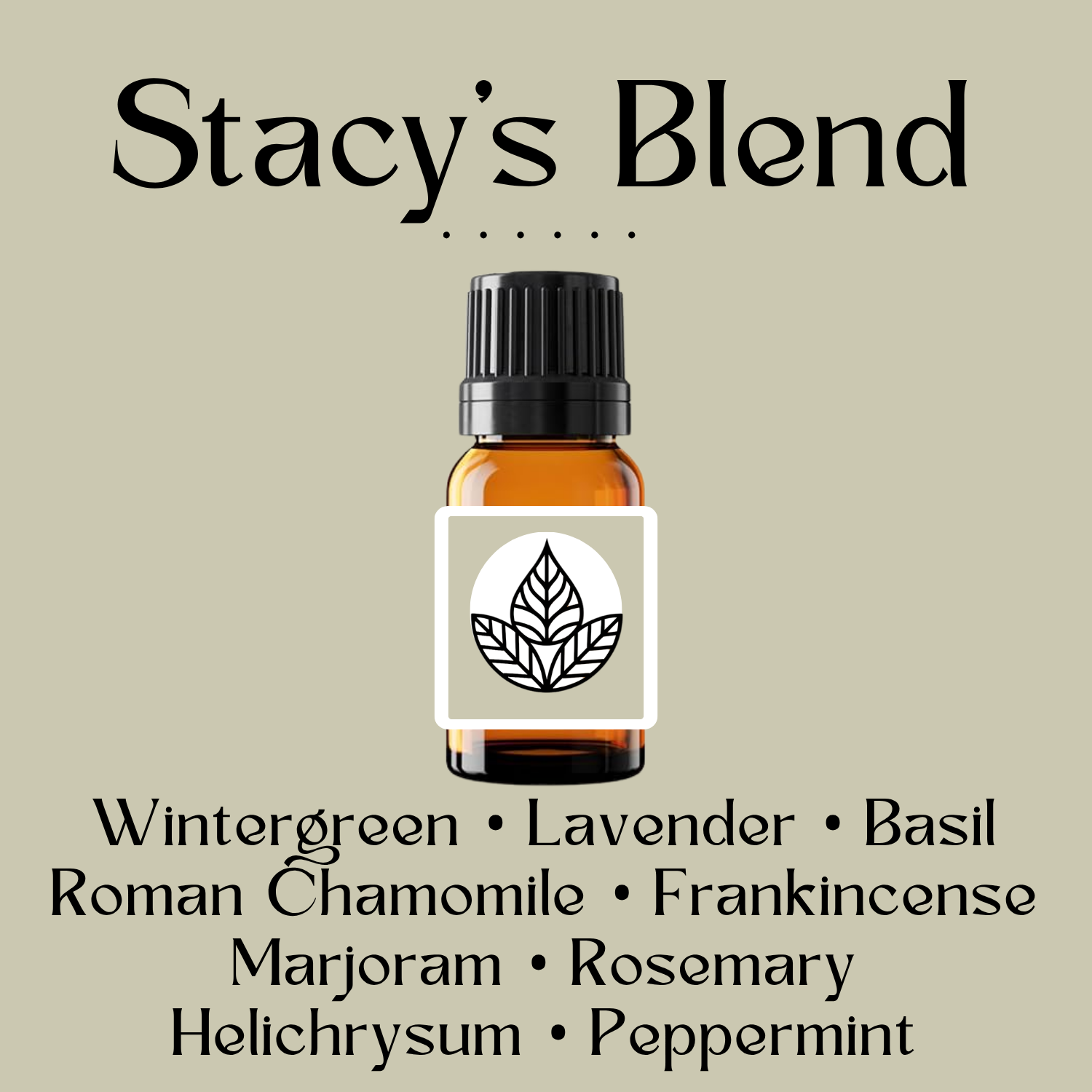
A powerful, deeply healing blend formulated to calm inflammation, ease pain, and support muscles, joints, and connective tissue. Helps release tension and restore calm. Promotes grounding, clarity, and higher brain frequency.
Designed to support body, mind, and spirit in returning to balance.
Follow the Thread below to view previous Single Oil Spotlight Articles: