
Ginger Essential Oil: A Practitioner’s Guide
Traditional Use, Applications, and Practical Notes
Ginger essential oil (Zingiber officinale) is a powerful warming oil traditionally used for digestive support, circulation, and restoring internal balance.
Steam distilled from the rhizome (root), ginger carries a spicy, warming aroma that has been valued for thousands of years in culinary, medicinal, and energetic traditions.
It is often considered a foundational oil for nausea, digestive discomfort, and cold stagnation in the body.
Properties & Benefits
In traditional aromatic systems, ginger is described as:
• antiseptic
• laxative
• stimulant
• tonic
• warming
It is commonly used to support:
Angina, Diarrhea, Gas/Flatulence, Indigestion, Morning Sickness, Motion Sickness, Nausea, Rheumatic Fever, Scurvy, Teething Pain, Tonsillitis, Vertigo, Vomiting.
Common Uses
Ginger is traditionally used for support with:
Alcoholism, Arthritis, Broken Bones, Catarrh(mucus), Chills, Colds, Colic, Congestion, Cramps, Digestive Disorders, fevers, Flu, Impotence, Indigestion, Infectious Disease, Memory, Motion Sickness, Muscular Aches/Pains, Nausea, Rheumatism, Sinusitis, Sore Throats, Sprains.
Other traditional uses include support for:
arthritis and rheumatic conditions
muscular aches and pains
sinus congestion
fever and chills
circulatory sluggishness
nerve-related discomfort
French Medical & Traditional Applications
In advanced aromatherapy traditions, ginger has been used for:
digestive imbalance (diarrhea, indigestion)
rheumatic pain support
prevention of infectious disease exposure
angina support
tonsillitis and throat discomfort
circulatory stimulation
impotence and vitality support
scurvy (historical use)
Physical & Body Applications
Ginger is strongly associated with warming and activating the body.
Traditional applications include:
supporting digestion after meals
reducing nausea and motion discomfort
warming cold hands and feet
supporting circulation
easing muscle stiffness
A common traditional method is applying diluted ginger oil to the feet, where absorption is believed to support systemic warming and balance.
Emotional & Mental Support
Ginger has an energizing and activating emotional influence.
Traditionally used to support:
motivation and drive
confidence and courage
emotional stagnation
low energy or lethargy
It is often described as helping restore:
movement forward
inner strength
emotional activation
Aromatic & Energetic Influence
Ginger has a spicy, warm, slightly sharp aroma.
Aromatically associated with:
physical energy
confidence
courage
vitality
activation
Traditionally used in energetic systems to support:
action
strength
emotional momentum
It is sometimes symbolically linked with themes of:
love
courage
abundance mindset
life force activation
Historical Context
Ginger has a long and well-documented global history spanning over 5,000 years.
Key historical highlights:
• originated in Southeast Asia
• used in ancient Chinese and Indian medicine as a tonic root
• traded into ancient Rome as a luxury spice
• used in Egyptian cuisine and rituals
• widely cultivated in medieval Europe, the Caribbean, and Africa
Historically, ginger was used in:
Roman wine (aphrodisiac traditions)
Indian digestive tonics
Chinese heart and congestion remedies
Hawaiian herbal cuisine and body care
European gingerbread and culinary medicine
At one point in history, ginger was so valuable it could be worth the equivalent of a live sheep per pound.
It remains one of the world’s most widely used culinary and medicinal spices.
Energetic & Esoteric Traditions
Astrological: Mars
Element: Fire
Character: Yang
Number: 8
Chakras / Energy Centers:
Root (1st – grounding and security)
Solar Plexus (3rd – self-worth and identity)
Ginger is traditionally considered a balancing oil for the entire system, especially when there is coldness, stagnation, or low motivation.
Safety Notes
• not recommended for children under 6
• use caution with children over 6
• always dilute before topical use
• may cause skin sensitivity in some individuals
• avoid excessive topical use on sensitive skin
Practitioner Insight
Ginger is not always loved for its scent—but it is deeply respected for its results.
It is especially effective when there is:
nausea or digestive discomfort
fatigue or lack of motivation
circulatory sluggishness
coldness in the body
It is often applied in:
foot applications
digestive blends
warming massage oils
targeted relief roll-ons
Summary
Ginger essential oil is traditionally used for:
digestive support
nausea and motion balance
circulation and warmth
energy and motivation
respiratory and immune support
Its core identity is simple:
a warming, activating oil that restores movement, energy, and internal balance.
Final Thought
Ginger gets things moving again.
It warms…
it activates…
and it brings the body back into motion and vitality.
Healing Drops Wellness Ginger Blends:
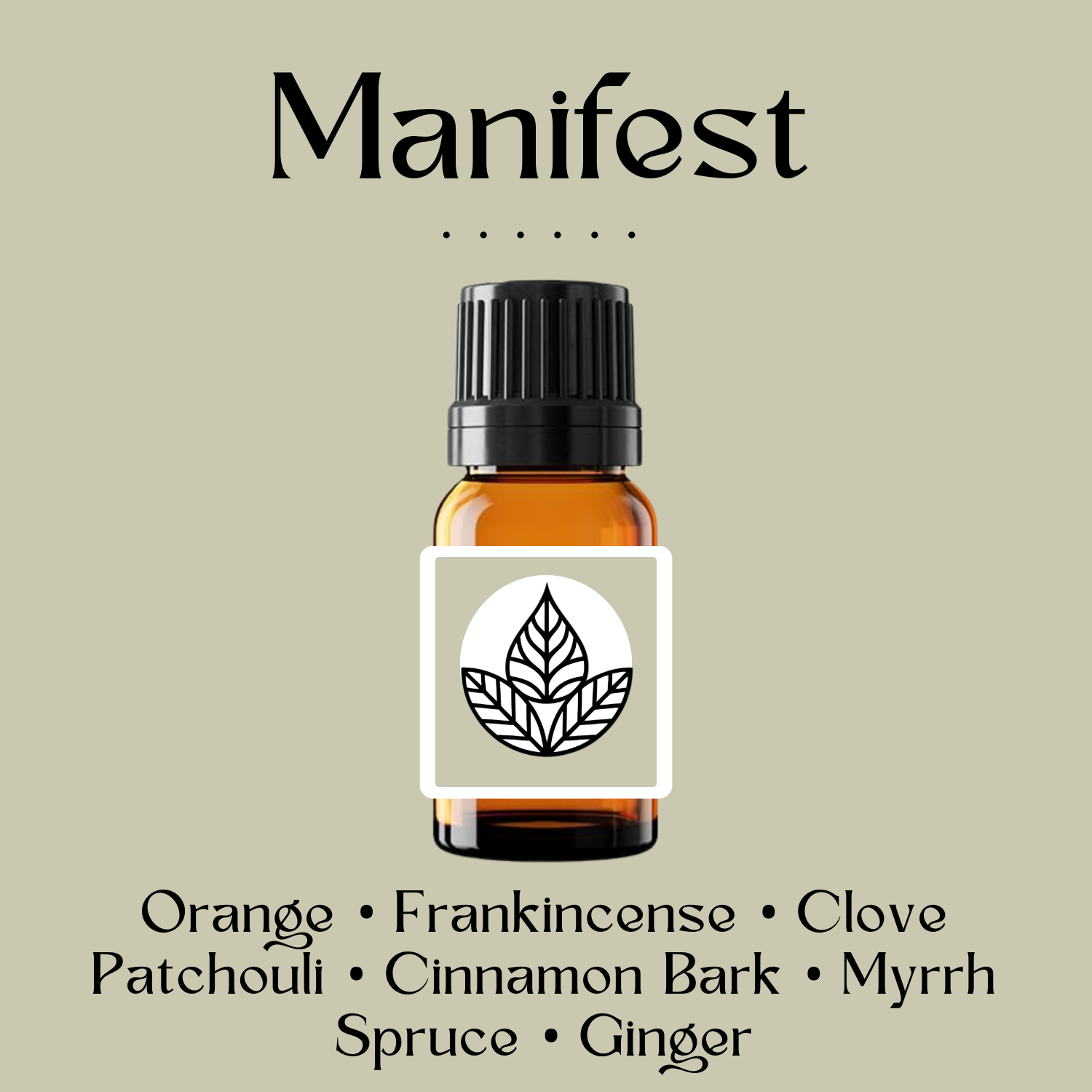
A high-vibration blend with an aphrodisiac scent that attracts abundance—spiritually, physically, and financially. Antiviral and energetically amplifying, it can be applied to personal items to enhance your intentions.
Formerly called Law of Attraction
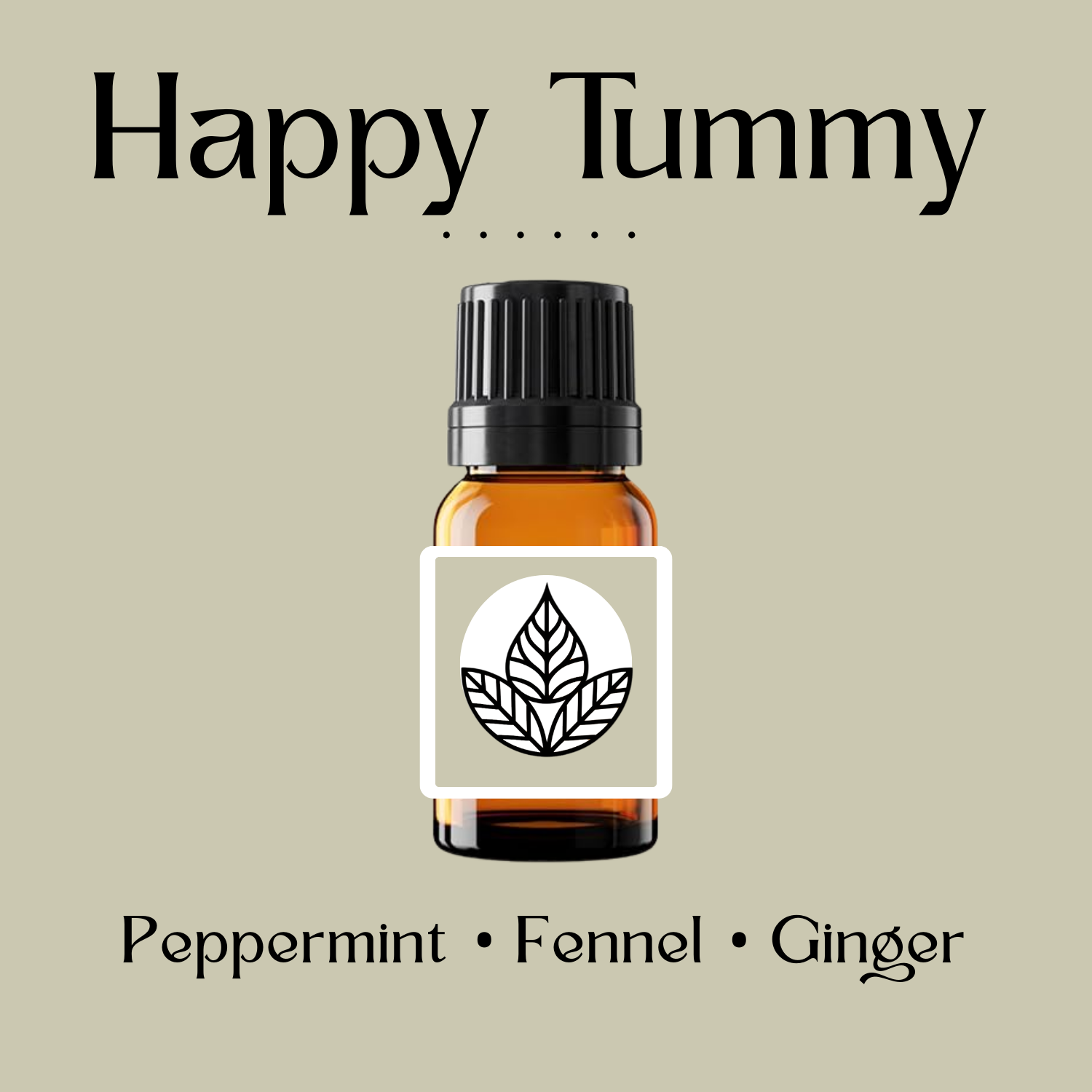
This fast acting blend is crafted to support a happy, comfortable tummy. It may help relieve stomach pain, quiet digestive rumbling, and ease nausea.
Apply 1 drop to the top of the tummy, or take 1 drop orally. Reapply as needed.
Formerly called Indigestion Blend
Follow the Thread below to view previous Single Oil Spotlight Articles: