
Fennel Essential Oil: A Practitioner’s Guide
Plant Part & Extraction
Steam distilled from the seeds (and sometimes aerial parts) of the Fennel plant (Foeniculum vulgare), a member of the Apiaceae family.
Fennel essential oil is traditionally valued for digestive support, hormonal balance, and energetic cleansing. It has a sweet, licorice-like, slightly spicy aroma that is both warming and stimulating.
Properties of Fennel Essential Oil
Traditionally described as:
Anti-parasitic
Antiseptic
Antispasmodic
Antitoxic
Diuretic
Expectorant
Traditionally recognized for:
digestive regulation
metabolic support
hormonal balance
detoxification support
circulatory stimulation
respiratory clearing
Aromatic & Emotional Benefits of Fennel Essential Oil
Aromatically, Fennel is traditionally associated with:
strengthening courage and inner resolve
emotional purification
increasing vitality and endurance
supporting longevity (traditional belief)
stimulating motivation and focus
helping release emotional stagnation
It is often described as stimulating both physical energy and mental clarity.
Common Uses for Fennel Essential Oil
Traditionally used for:
alcoholism (supportive/aromatic traditional use)
appetite suppression
blood clots (traditional use)
bruises
colic
gas/flatulence
gastritis
GERD / reflux
gout
obesity (metabolic support)
parasites
PMS
vomiting/nausea
wrinkles (skin toning)
Additional traditional uses include:
constipation
hormonal imbalance
kidney stones
pancreatic support
cardiovascular stimulation
lymphatic and digestive sluggishness
French Medical Uses
(Traditional French clinical aromatherapy systems)
Used for:
cystitis
sluggish digestion
flatulence
gout
intestinal parasites
intestinal spasms
lactation support
menopause and pre-menopause symptoms
urinary stones
vomiting
Aromatic & Traditional Therapeutic Applications
Fennel is traditionally used to support:
digestive comfort after meals
hormone-related emotional changes
appetite regulation (historical use)
detoxification routines
respiratory clearing blends
It is also traditionally included in blends for female reproductive system support.
Historical Uses of Fennel Essential Oil
Fennel has been used since ancient Mediterranean times.
Ancient Greece & Rome
Roman warriors reportedly consumed fennel for strength
Greek name marathon relates to fennel and “to grow thin”
Associated with appetite suppression and endurance
Used in victory symbolism after battles (woven stalks)
Mythology & Ritual Use
Prometheus is said to have hidden fire in fennel stalks
Used in Dionysian rituals as part of the Thyrsus wand
Considered a plant of power, transformation, and vitality
Classical Medicine
Pliny the Elder described fennel for improving eyesight and clarity
Used for digestion, vitality, and purification
Medieval & Later European Traditions
Charlemagne mandated fennel cultivation in imperial gardens (812 AD)
Used in fasting traditions and long church services (“meeting seeds”)
Hung over doors for protection against spirits in folk traditions
Culinary & Cultural History
Key ingredient in Mediterranean cuisine
Used in spice blends, teas, and digestive remedies
Later used in liqueurs such as absinthe (with anise and wormwood)
Aromatic Profile
sweet
licorice-like
warm
spicy
herbal
slightly earthy
aromatic and penetrating
Fennel has a distinctive anise-like scent often associated with digestive comfort.
Esoteric & Energetic Uses of Fennel Essential Oil
Astrological Association
Mercury
Character
Yang with Yin balance
Element
Air
Chakra Association
1st Chakra — Root (security, grounding, survival energy)
Fennel is traditionally associated with:
energetic cleansing
clearing emotional congestion
strengthening willpower
grounding and stabilizing
supporting transformation and renewal
It is often included in energetic “clearing” blends alongside Frankincense and Sage.
Contraindications
Not for children under 6
Use cautiously for children over 6
Use cautiously during pregnancy
Use cautiously in individuals prone to epilepsy
Dilution recommended for sensitive skin
Additional Practitioner Notes
Fennel essential oil is traditionally used for:
digestive support blends
hormone-balancing aromatics
appetite regulation support
energetic cleansing rituals
reproductive system support blends
It is also found in blends such as:
“Lunar Harmony” (female system support)
“Protection” sprays (traditional energetic clearing use)
Its role in aromatherapy is often described as both physical and symbolic—supporting digestion, transformation, and energetic release.
Source References
Information sourced from:
The Reference Guide for Essential Oils by Connie and Alan Higley
traditional Mediterranean herbal medicine systems
ancient Greek and Roman botanical and mythological records
European folk medicine and culinary traditions
Healing Drops Wellness Fennel Blends:
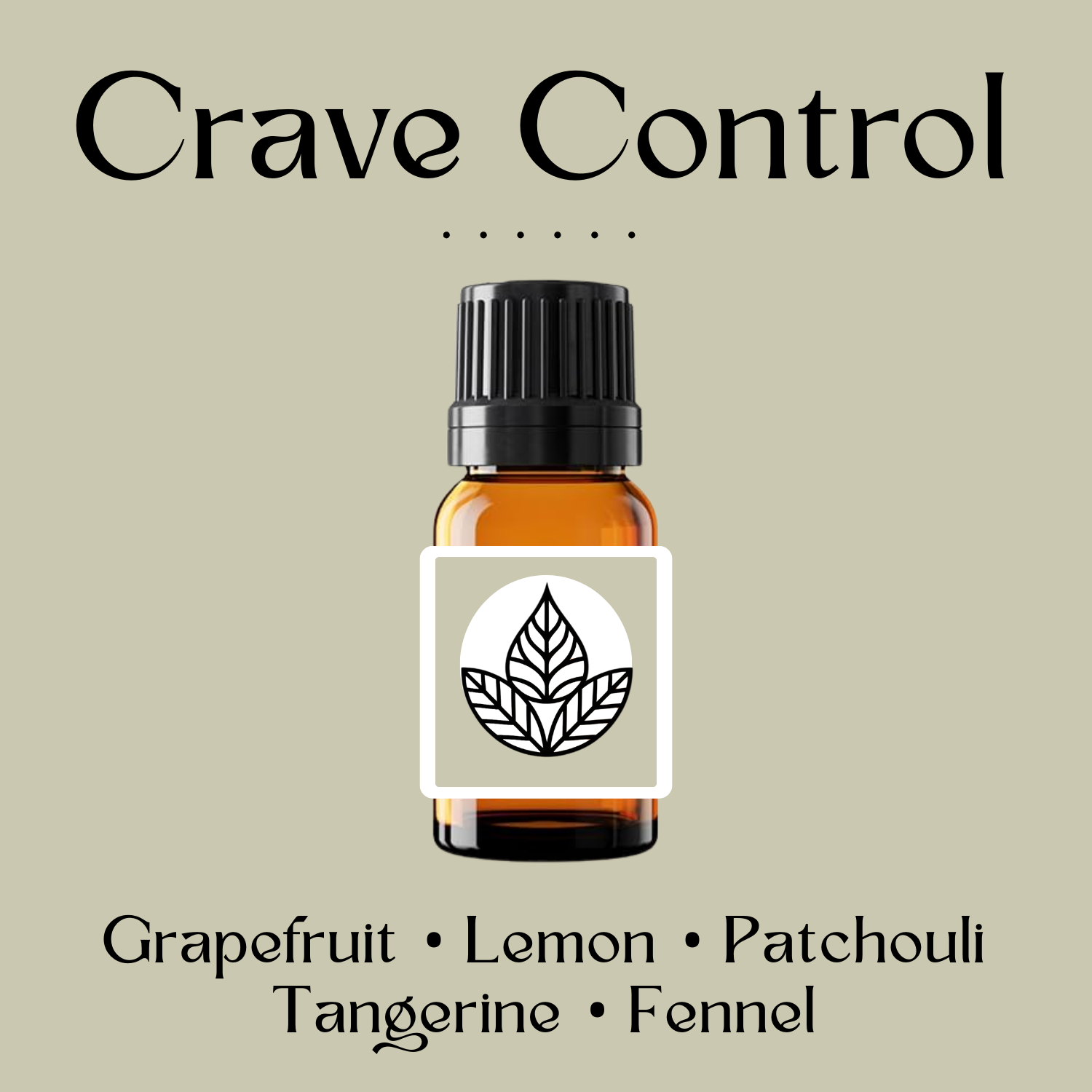
This supportive blend is designed to help curb cravings while providing an uplifting sensory experience.
Inhale deeply several times throughout the day and/or add 1 drop to a glass of water. For topical use, apply 1–2 drops neat or diluted with a carrier oil to the temples, wrist pulse points, or back of the neck. Pleasant in both aroma and taste.
Formerly called Appetite Control
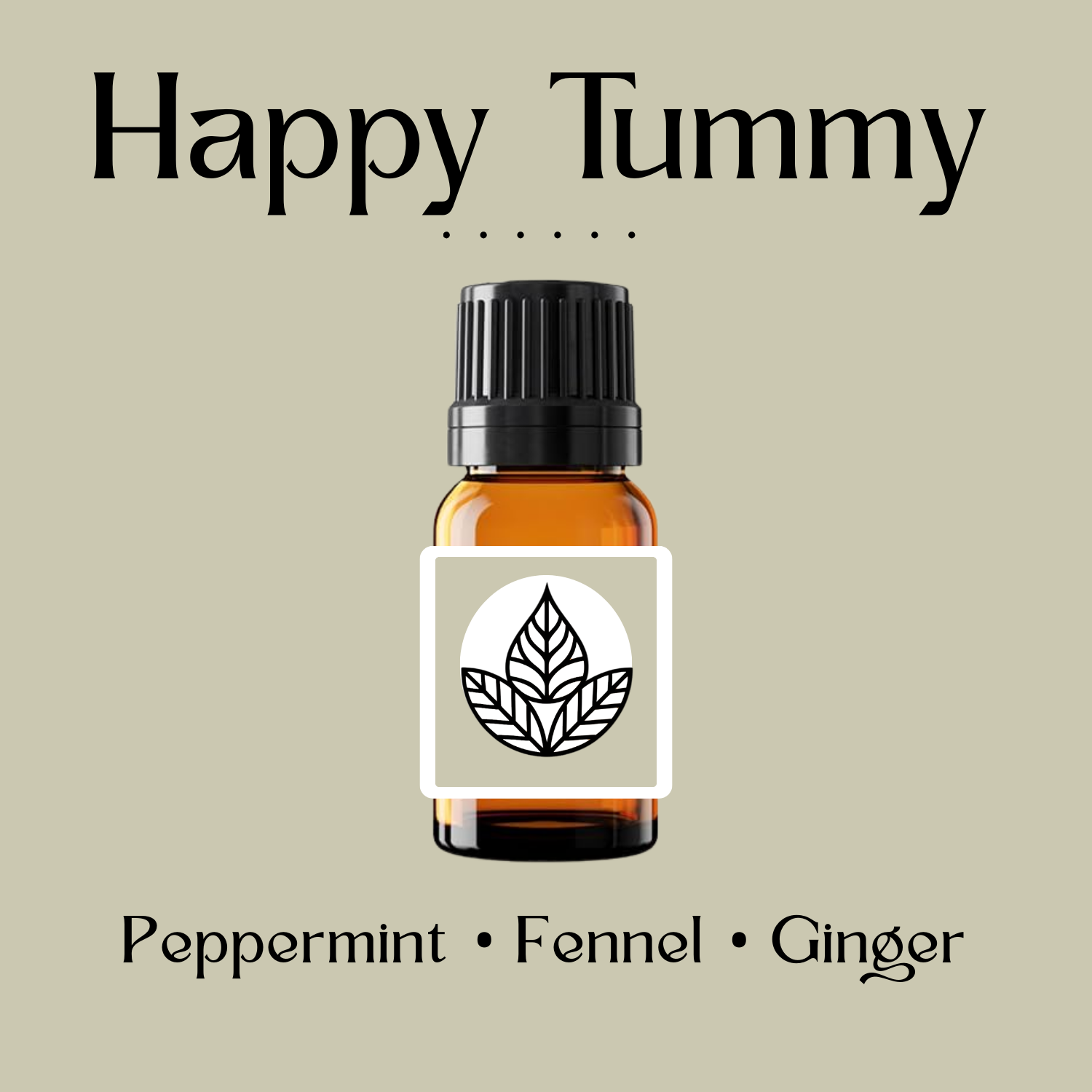
This fast acting blend is crafted to support a happy, comfortable tummy. It may help relieve stomach pain, quiet digestive rumbling, and ease nausea.
Apply 1 drop to the top of the tummy, or take 1 drop orally. Reapply as needed.
Formerly called Indigestion Blend
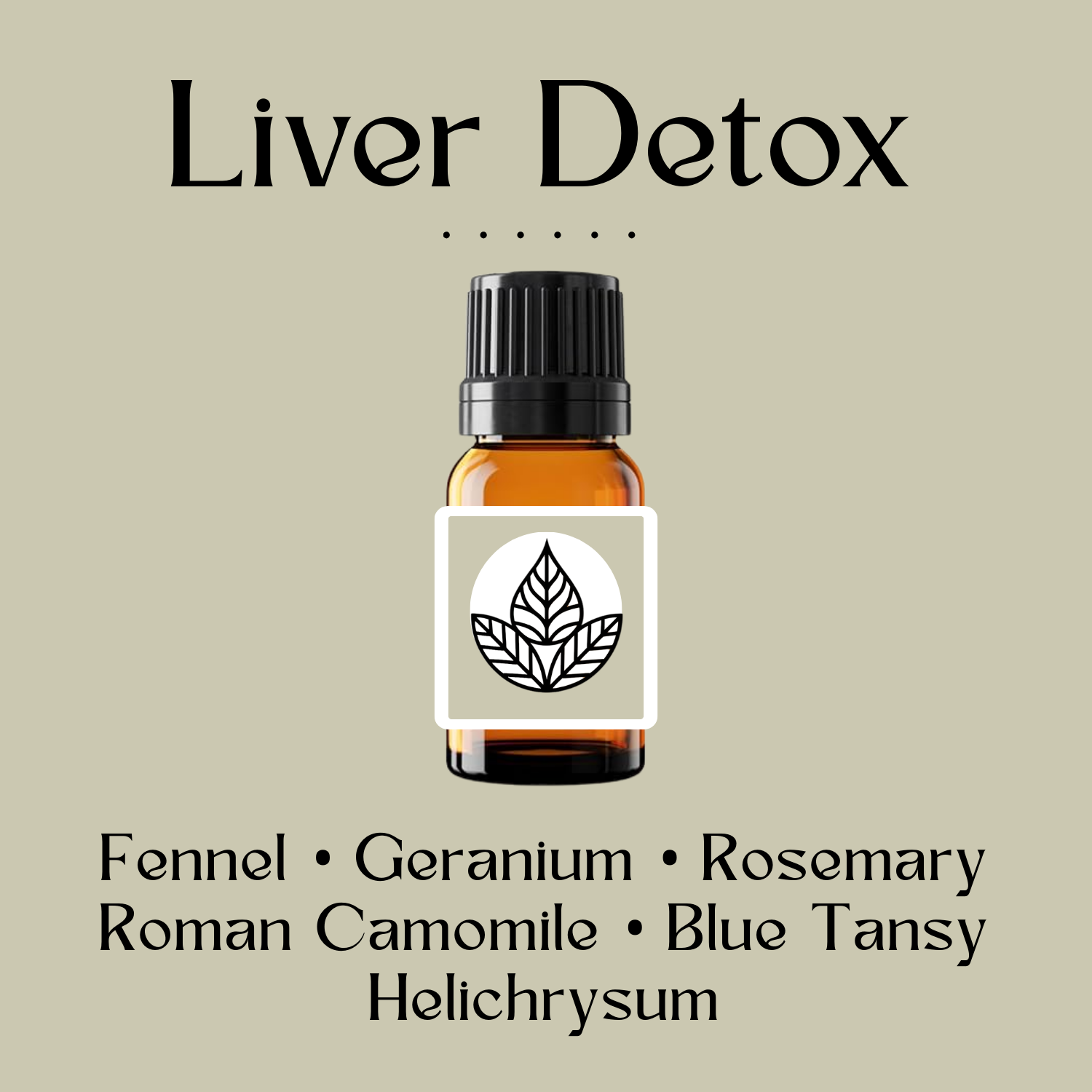
This blend is designed to support liver detoxification, strengthen the lymphatic and digestive systems, and assist in managing addictive cravings.
Apply 1–2 drops over the liver area, repeating every hour as needed
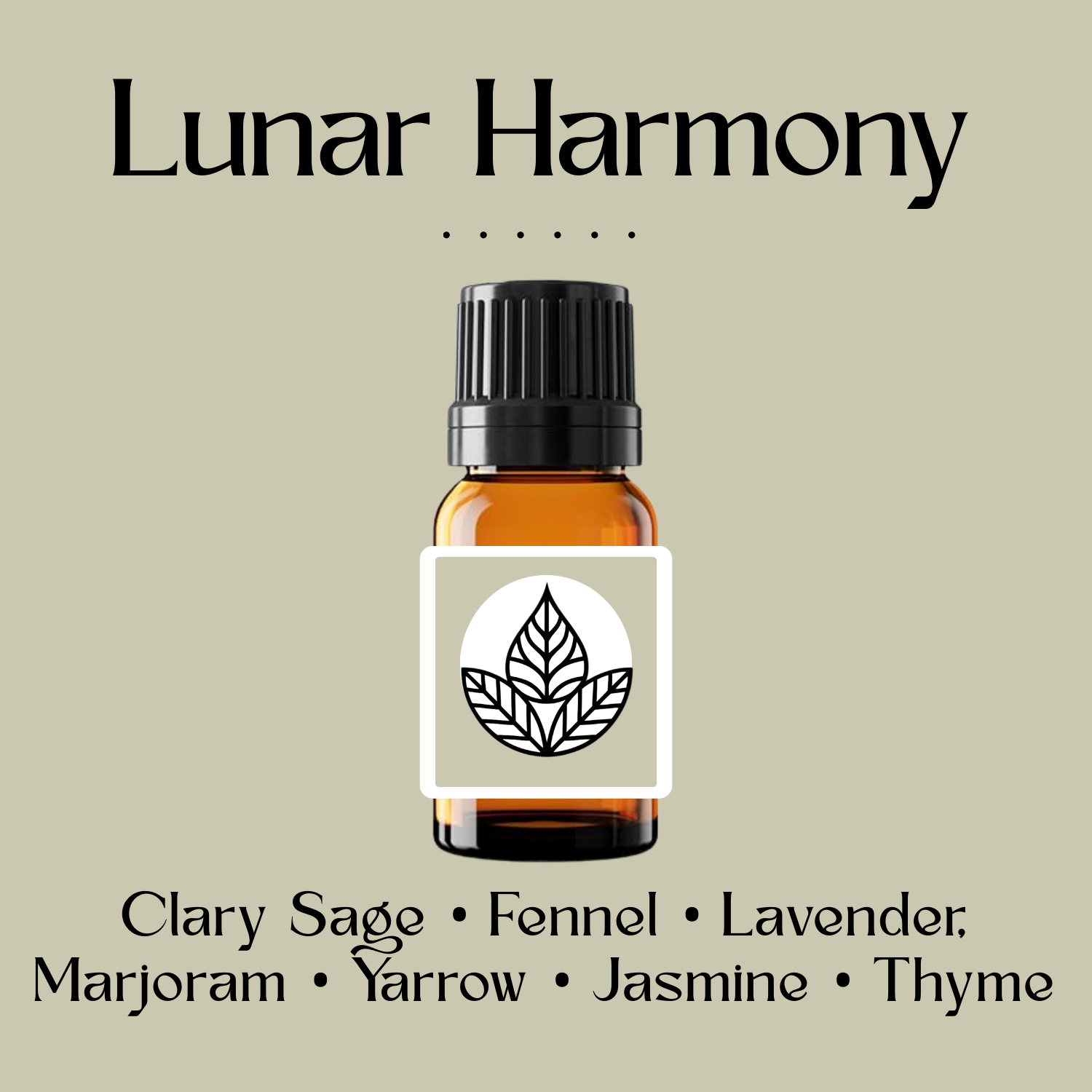
This blend supports hormonal balance, eases cramping, and overall reproductive wellness.
Helps clear petrochemicals from cell walls and supports PMS, pre- and peri-menopause, and prostate health. Apply 1 drop to the inside and outside of each ankle; for PMS, apply to temples.
Formerly called Moon Cycle
Follow the Thread below to view previous Single Oil Spotlight Articles: