
Cypress Essential Oil: A Practitioner’s Guide
Plant Part & Extraction
Steam distilled from the needles, leaves, and sometimes young twigs of the Cypress tree (Cupressus sempervirens).
Cypress essential oil is a grounding, refreshing, and circulatory-supporting oil traditionally valued for emotional stability, lymphatic flow, and vascular tone. It has a clean, woody, slightly smoky aroma that is both calming and clarifying.
Properties of Cypress Essential Oil
Traditionally described as:
Anti-bacterial
Anti-infectious
Antimicrobial
Mucolytic
Antiseptic
Astringent
Deodorant
Diuretic
Lymphatic stimulant
Prostate decongestant
Refreshing
Relaxing
Vasoconstrictor
Traditionally recognized for:
circulatory support
lymphatic drainage
tissue toning
respiratory clearing
nervous system calming
Aromatic & Emotional Benefits of Cypress Essential Oil
Aromatically, Cypress is traditionally associated with:
emotional grounding
stability during grief or loss
easing feelings of emotional overwhelm
strengthening inner security
promoting resilience and acceptance
helping process emotional transitions
Its aroma is often described as centering and stabilizing, especially during times of emotional change or uncertainty.
Common Uses for Cypress Essential Oil
Traditionally used for:
asthma
cellulite
circulatory weakness
edema
fever
flu
gallbladder support
bleeding gums
hemorrhaging
laryngitis
liver disorders
lung circulation issues
muscular cramps
nervous tension
ovarian cysts (traditional use)
scar tissue
varicose veins
water retention
muscle fatigue
jock itch
shingles
nosebleeds
Additional traditional applications include support for:
connective tissue strength
lymphatic congestion
nervous exhaustion
respiratory congestion
French Medical Uses
(French medical aromatherapy systems are traditionally regarded as highly advanced in clinical essential oil application.)
Traditionally used for:
arthritis
bronchitis
circulatory disorders
cramps
hemorrhoids
insomnia
intestinal parasites
lymphatic decongestion
menopausal symptoms
menstrual pain
pancreatic insufficiency
pleurisy
prostate decongestion
pulmonary tuberculosis
rheumatism
spasms
throat disorders
varicose veins
water retention
Aromatic Influence
Cypress is traditionally believed to:
strengthen emotional resilience
ease feelings of grief and loss
increase emotional security
support grounding and stability
assist emotional processing during transitions
It is often used in blends for emotional balance and inner strength.
Aromatic Profile
fresh
woody
clean
evergreen
slightly smoky
resinous
green
Cypress has a crisp, forest-like scent often associated with purification and renewal.
Historical Uses of Cypress Essential Oil
The Cypress tree (Cupressus sempervirens) is a tall evergreen native to the Mediterranean region, often found in gardens, landscapes, and cemeteries.
Its botanical name sempervirens means “ever-living.”
Historically:
Phoenicians and Cretans used Cypress wood for ships and buildings
Egyptians used it for sarcophagi
Greeks carved statues of their gods from Cypress wood
Because of its durability and longevity, Cypress became strongly associated with:
immortality
protection
the afterlife
sacred structures
Ancient associations include:
linked to burial traditions in Southern Europe
referenced in funeral customs and literature (including Shakespeare)
used in funerary garlands and ceremonial rites
Medical historical references:
Assyrians used Cypress for hemorrhoids
Galen (AD 165) referenced it for diarrhea and internal bleeding
Culpepper noted its use for “drying and binding” conditions
Traditional Chinese medicine valued it for liver and respiratory support
European hospital traditions have also used Cypress applied to the back of the neck in stroke-related preventive practices (historical/folk use).
Esoteric & Energetic Uses of Cypress Essential Oil
Astrological Association
Venus
Character
Yang
Number
7
Chakra Associations
2nd Chakra — Sacral (creativity, emotional flow, sexuality)
5th Chakra — Throat (truth, expression, communication)
Cypress is traditionally associated with:
emotional transition
grief support
grounding through change
strengthening personal boundaries
restoring emotional flow
clarity in communication
Contraindications
Not for children under 6
Use cautiously for children over 6
Use cautiously during pregnancy
Additional Practitioner Notes
Cypress is often used in aromatherapy for:
circulatory support blends
lymphatic drainage formulas
emotional grounding during grief
respiratory support blends
detox and cleansing rituals
Common traditional applications include:
legs (circulation and venous support)
back of the neck (grounding and tension release)
diffuser blends for emotional stability
Its balancing effect makes it especially valued in both physical and emotional wellness systems.
Source References
Information sourced from:
The Reference Guide for Essential Oils by Connie and Alan Higley
traditional Mediterranean herbal medicine systems
historical Greek, Egyptian, and Assyrian botanical references
Healing Drops Wellness Cypress Blends:
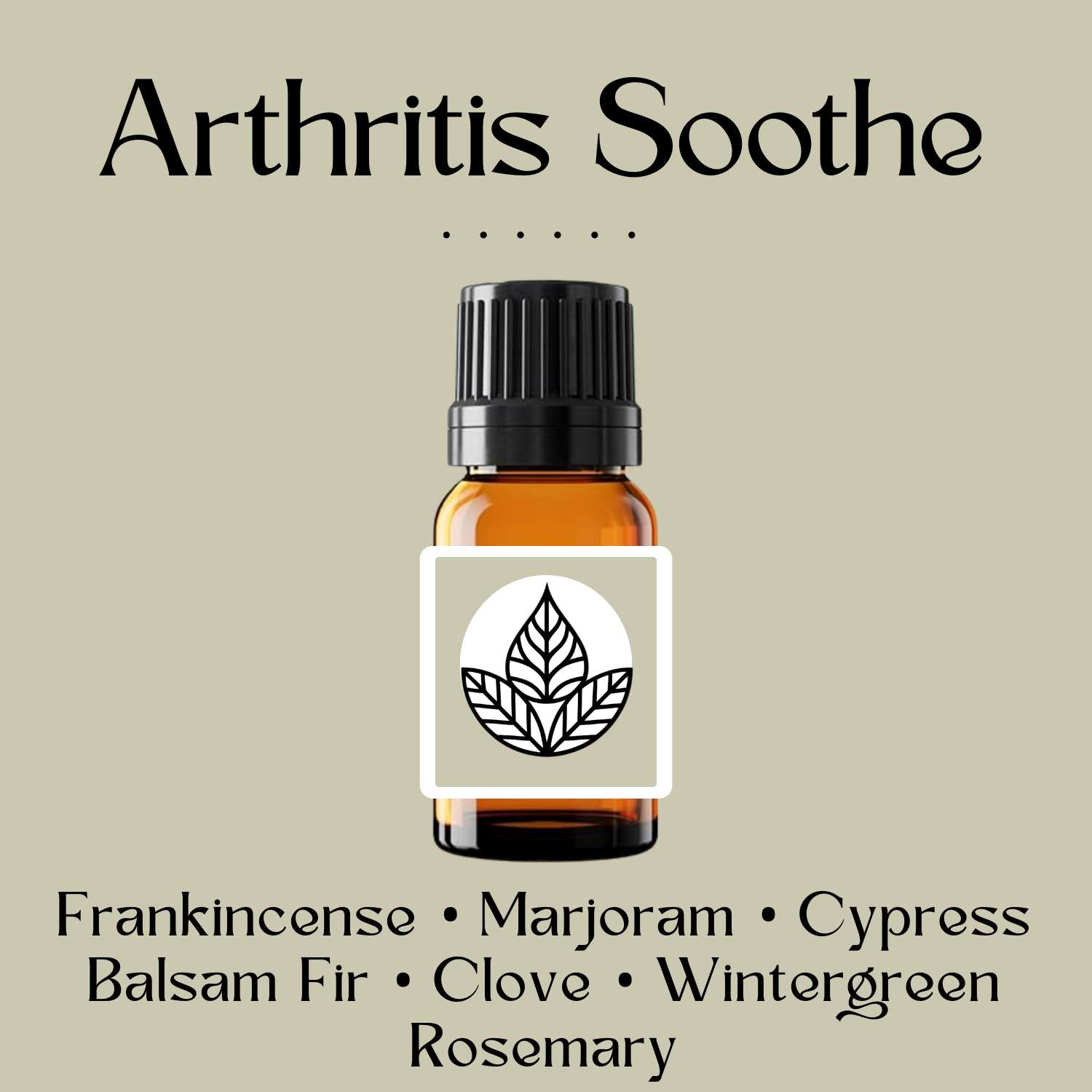
This targeted blend is formulated to help support the breakdown of uric acid buildup, which may ease inflammation, swelling, and stiffness. It also promotes oxygenation and supports the regeneration of stressed or damaged tissue.
Apply 1–2 drops to the affected area as needed, up to once per hour. Dilute with a carrier oil if needed for sensitive skin or to cover a larger area.
Formerly called Arthritis Relief

This targeted blend combines Wintergreen for bone support and inflammation, Basil to ease muscle tension, Lemongrass to nourish ligaments and clear lymph, and Clove for natural pain relief. Apply directly or with a carrier oil to joints, lower back, or neck as needed. Excellent for arthritis and daily aches. Apply 2 drops to affected area every hour, if needed.
Formerly called Joint and Muscle Relief…Now with Cypress added for Circulation!
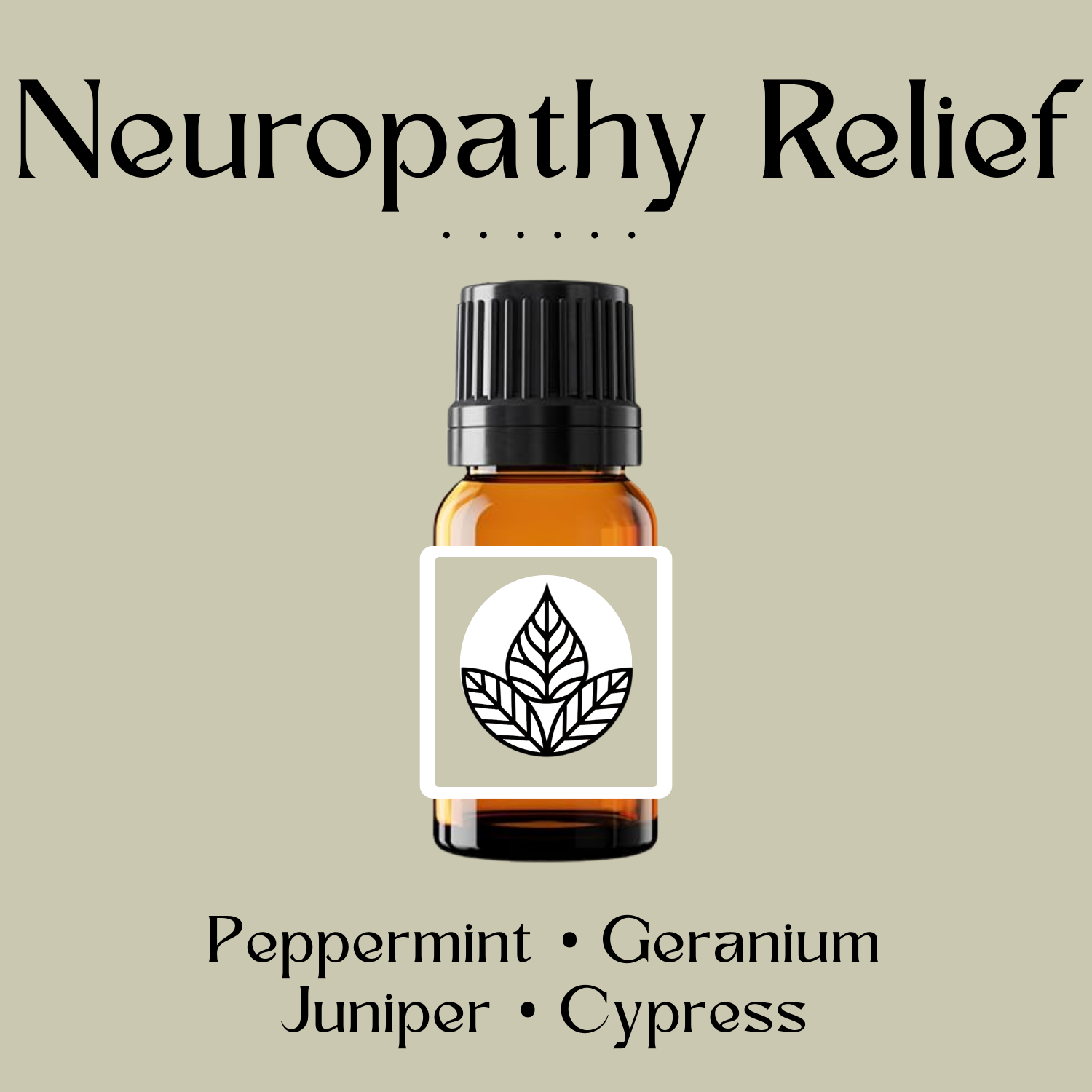
This blend is formulated to support nerve health, circulation, and overall limb wellness. It may benefit those with diabetes, scarring, MS, or reduced sensation in the hands or feet.
Apply 1 drop to each hand or foot as needed, up to once per hour.
Formerly called Neuropathy Blend
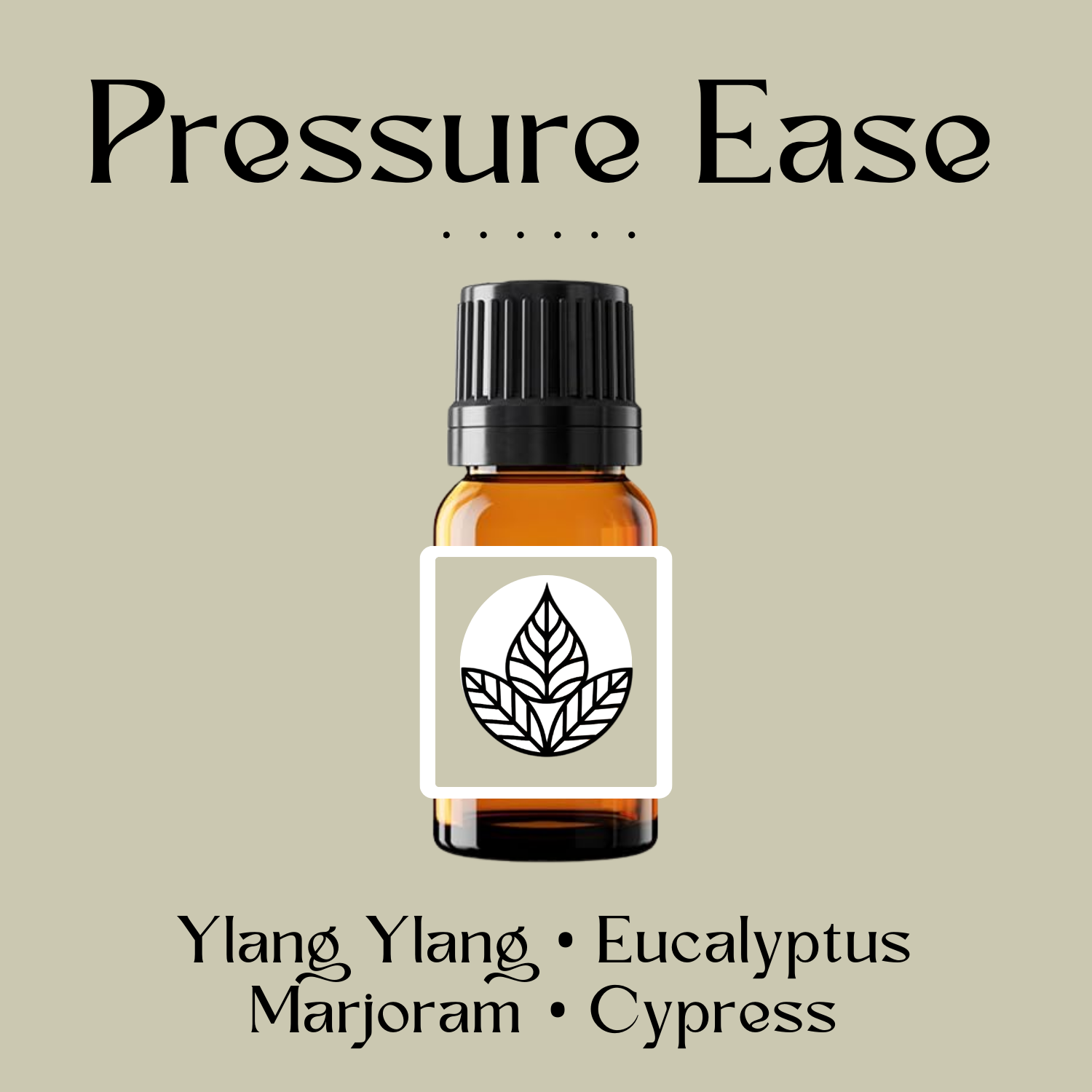
This blend is formulated to support healthy blood pressure levels and promote a calming effect.
Apply 1–2 drops to the heart area, left ring finger, left ring toe, and neck. If the aroma is strong, apply to ankles or feet instead. Reapply every hour as needed, or diffuse for aromatic support. Always monitor your blood pressure while using.
Formerly called Blood Pressure Relief
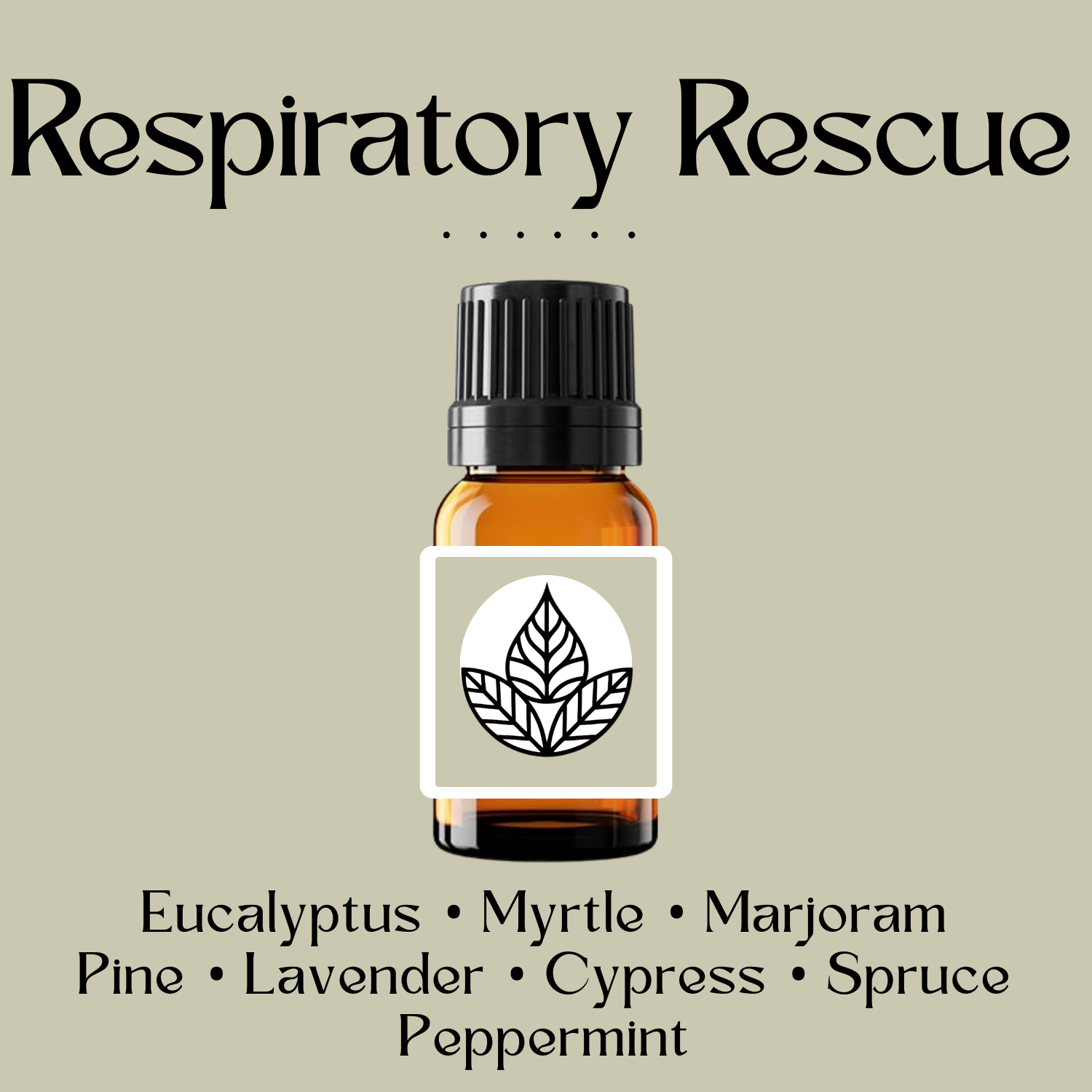
Breathe easier with Respiratory Rescue. Formulated by a naturopathic doctor to support lungs, relieve sinus issues, and soothe symptoms of allergies, flu, bronchitis, and more. Apply to chest and temples for natural relief.
3 Eucalyptus used: globulus, citriodora, radiata
Formerly called 3 Eucalyptus Lung.
This blend is designed to support healthy circulation and vascular strength. It may help maintain strong capillaries, promote blood flow, and support overall cardiovascular wellness.
Apply 1 drop to each leg to address varicosities, and 1 drop to the back of the neck as a preventative measure for strokes. Reapply as needed, up to once per hour.
Formerly called Varicose Blend
Follow the Thread below to view previous Single Oil Spotlight Articles: