
Clary Sage Essential Oil: A Practitioner’s Guide
Plant Part & Extraction
Steam distilled from the flowering tops and leaves of the Clary Sage plant (Salvia sclarea).
Clary Sage essential oil is treasured for its calming, euphoric, hormonally supportive, and emotionally balancing qualities. Known for its uniquely herbaceous, sweet, earthy aroma, it has long been associated with women’s wellness, creativity, emotional clarity, and relaxation.
Its fragrance is warm, soft, herbal, slightly floral, and deeply soothing.
Properties of Clary Sage Essential Oil
Traditionally described as:
Anti-convulsive
Anti-fungal
Antiseptic
Antispasmodic
Astringent
Nerve tonic
Sedative
Soothing
Warming
Traditionally recognized for:
calming the nervous system
emotional balance
hormonal support
relaxation
soothing muscular tension
Aromatic & Emotional Benefits of Clary Sage Essential Oil
Clary Sage is traditionally used aromatically to:
calm nervous tension
promote emotional balance
encourage relaxation
ease stress
reduce emotional overwhelm
support restful sleep
Its aroma is often associated with:
euphoria
creativity
sensuality
emotional openness
dream enhancement
peacefulness
Many practitioners believe Clary Sage may enhance the dream state and encourage emotional release.
It is also traditionally associated with increasing libido in both men and women.
Common Uses for Clary Sage Essential Oil
Traditionally used for:
amenorrhea
cell regulation
circulatory problems
depression
insect bites
insomnia
kidney disorders
dry skin
throat infections
ulcers
whooping cough
Historically favored for:
menstrual discomfort
emotional tension
hormonal balance
relaxation
women’s wellness support
Practitioner traditions suggest:
applying one diluted drop to the inner and outer ankles (reflexology points for ovaries and uterus) for menstrual cramps
daily use as support during PMS
French Medicinal Uses
(French medical doctors are traditionally regarded as highly advanced in medicinal aromatherapy applications.)
Traditionally used for:
bronchitis
cholesterol support
hemorrhoids
hormonal imbalance
impotence
infections
genital support
intestinal cramps
menstrual cramps
PMS
pre-menopause
weak digestion
Aromatic Profile
herbaceous
sweet
earthy
floral
warm
nutty
softly fruity
Clary Sage possesses one of the most unusual and recognizable aromas in aromatherapy.
Historical Uses of Clary Sage Essential Oil
Sage and Clary Sage belong to a genus containing hundreds of evergreen species native to southern Europe.
Garden Sage (Salvia officinalis) and Clary Sage (Salvia sclarea) have been valued for centuries for both culinary and medicinal purposes.
The name Salvia derives from the Latin salvere, meaning “to save” or “to heal.”
Historically, Sage was so revered that an old proverb stated:
“How can a man die who has sage growing in his garden?”
The Greeks valued Sage highly:
Hippocrates included it among his medicinal plants
Dioscorides praised it for liver support
Greek herbal traditions used it for memory and diminished senses
Ancient Egyptians reportedly gave Sage preparations to women struggling with fertility and used it during times of plague.
During the Middle Ages, Sage became one of the most respected medicinal herbs in Europe.
Clary Sage derives its name from the Latin clarus, meaning “clear,” because it was historically valued in eye preparations.
The seeds were traditionally infused and used for:
tired eyes
strained eyes
blurred vision
Researchers Kroszcinski and Bychowska (1938) described Sage as a “plant healer” and recommended it for:
frigidity
ovarian congestion
menstrual discomfort
menopausal sweating
aches and pains
French therapists and physicians also praised Sage for its:
hormonal support
tonic properties
cleansing actions
antispasmodic effects
antiseptic qualities
Esoteric & Energetic Uses of Clary Sage Essential Oil
Astrological Associations
Mercury
Saturn
Character
Yang with High Yin
Crystal
Malachite
Elements
Water
Light
Earth
Number
7
Chakra Associations
2nd Chakra — Sacral / Creativity & Sexuality
6th Chakra — Third Eye / Truth & Intuition
Clary Sage is traditionally associated with:
creativity
emotional flow
sensuality
intuition
inner truth
emotional healing
Contraindications
Not for children under 6
Use caution for children over 6
Use cautiously during pregnancy
Avoid during and after alcohol consumption
Additional Practitioner Notes
Clary Sage is often considered one of the premier oils for emotional and hormonal support.
It is especially valued in:
PMS blends
relaxation formulas
sleep blends
meditation
emotional wellness practices
women’s support blends
Its calming yet uplifting qualities make it popular for:
stress relief
emotional tension
nervous exhaustion
sensual massage blends
spiritual practices
Has a beautiful and unusual fragrance beloved by many aromatherapists.
Source References
Information sourced from:
The Reference Guide for Essential Oils by Connie and Alan Higley
historical herbal references
traditional European herbal medicine sources
Healing Drops Wellness Clary Sage Blends:
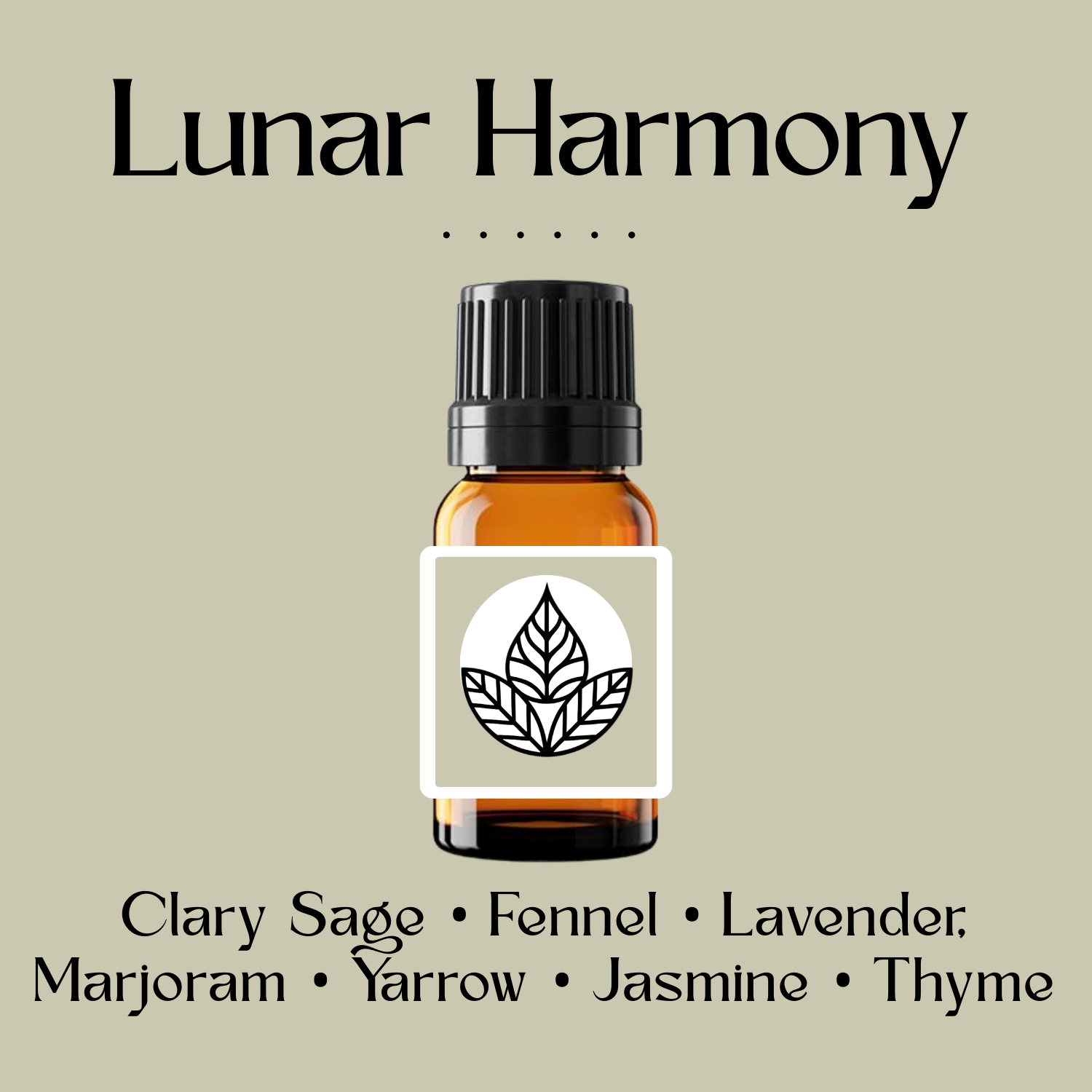
This blend supports hormonal balance, eases cramping, and overall reproductive wellness.
Helps clear petrochemicals from cell walls and supports PMS, pre- and peri-menopause, and prostate health. Apply 1 drop to the inside and outside of each ankle; for PMS, apply to temples.
Formerly called Moon Cycle
Follow the Thread below to view previous Single Oil Spotlight Articles: