Spearmint Essential Oil: A Practitioner’s Guide
Steam distilled from the leaves and flowering tops of the Spearmint plant (Mentha spicata).
Spearmint is a fresh, sweet, crisp botanical that has been valued for centuries for its refreshing aroma, digestive properties, and cleansing qualities.
Unlike Peppermint, Spearmint contains very little menthol, giving it a softer, sweeter, and generally gentler mint aroma.
Its bright, uplifting scent makes it a beautiful oil for refreshing the mind, supporting digestion and respiratory wellness, freshening the breath, and creating a feeling of emotional balance and well-being.
Properties of Spearmint Essential Oil
Traditionally described as:
• antibacterial
• anticatarrhal — traditionally used to help thin mucus
• antifungal
• anti-inflammatory
• antiseptic
• antispasmodic
• hormone-like
• insecticidal
• stimulating
• cleansing
• refreshing
Spearmint is particularly valued for its refreshing, digestive, cleansing, and emotionally uplifting qualities.
Aromatic & Emotional Benefits
Aromatically, Spearmint is traditionally used to:
• encourage mental clarity
• refresh the mind after mental fatigue
• lift the spirits
• support focus and concentration
• relieve feelings of mental strain
• encourage emotional balance
• soften emotional tension
• clear stagnant thoughts
• strengthen self-trust
• create a feeling of well-being
Its hormone-like aromatic activity is traditionally associated with helping open and release emotional blocks and encouraging a greater sense of balance.
Spearmint is often chosen when someone feels mentally tired, emotionally stagnant, overwhelmed, or simply in need of a fresh perspective.
Its crisp, uplifting aroma can create a feeling of freshness, movement, and renewed energy.
Common Uses
Traditionally used for:
• metabolism
• digestive support
• nausea
• flatulence
• constipation
• diarrhea
• respiratory wellness
• mucus and congestion
• headaches
• migraines
• sore gums
• fresh breath
• skin cleansing
• acne-prone skin
• dry skin
• eczema
• menstrual support
• emotional fatigue
• depression and low spirits
• mental fatigue
• feeling of well-being
Spearmint is also traditionally valued for supporting the glandular and nervous systems.
It can be a refreshing addition to natural oral-care, skin-care, massage, and aromatic blends.
French Medical Uses
Bronchitis
Candida
Cystitis
Hypertension
Aromatic Profile
• fresh
• sweet
• crisp
• herbaceous
• minty
• cooling
• uplifting
• softer than Peppermint
Spearmint has a much softer and sweeter aroma than Peppermint.
Its naturally low menthol content gives it a refreshing mint character without the intense, penetrating quality associated with Peppermint.
Historical Uses
Spearmint has been valued as an aromatic and culinary herb for centuries.
The ancient Greeks used Spearmint to scent their bath water, and the herb developed a reputation in traditional medicine for a variety of health concerns.
During medieval times, Spearmint was traditionally used for sore gums and was also associated with natural tooth-whitening practices.
Spearmint has been part of European cuisine since Roman times.
Native to Central Europe, it eventually spread throughout North America after being introduced by early immigrants in the late 1500s.
Historically, the fresh herb was also valued as a source of vitamin C and was used by early settlers in traditional approaches to preventing and treating scurvy.
Esoteric & Energetic Uses
Spearmint is traditionally associated with:
Self Trust
• strengthening confidence
• trusting your own instincts
• encouraging personal power
• releasing self-doubt
Boundaries
• creating a feeling of safety
• strengthening energetic boundaries
• protecting personal space
• helping separate your energy from outside influences
Emotional Clearing
• releasing emotional blocks
• clearing stagnant energy
• lifting heavy emotions
• encouraging emotional movement
Protection
• energetic cleansing
• warding off negative influences
• breaking unwanted energetic patterns
• repelling unwanted energy
Spearmint can be particularly meaningful during meditation or periods of transition when the intention is to release what no longer serves you and create space for greater confidence, clarity, and emotional freedom.
Astrological Association
Mercury & Venus
Character
Yang
Element
Air & Water
Number
5
Crystals
• Aquamarine — emotional flow and clear communication
• Green Aventurine — confidence and heart energy
• Amazonite — communication and healthy boundaries
• Clear Quartz — clarity and energetic amplification
• Rose Quartz — compassion and emotional openness
• Black Tourmaline — grounding and energetic protection
Chakra Associations
3rd Chakra — Solar Plexus
• self-image
• confidence
• personal power
• courage
• self-trust
4th Chakra — Heart
• giving and receiving love
• compassion
• emotional balance
• connection
• openness
Spearmint's traditional association with self-trust and emotional openness makes it especially fitting for the Solar Plexus and Heart chakras.
It can symbolically support the movement from self-confidence into heart-centered connection.
Additional Practitioner Notes
Spearmint vs. Peppermint
These oils should not be confused.
Spearmint — Mentha spicata
Fresh, sweet, soft, and herbaceous, with very little naturally occurring menthol.
Peppermint — Mentha × piperita
Much stronger and more intensely cooling because of its higher menthol content.
Spearmint can be a beautiful alternative when a refreshing mint aroma is desired but a softer aromatic experience is preferred.
Spearmint in Tea & Water
Spearmint herb has traditionally been enjoyed as a tea and culinary herb.
Because essential oil is highly concentrated, a drop of essential oil should not automatically be considered interchangeable with the herb. Internal use of essential oils should only be considered with appropriate professional training and product-specific guidance.
For everyday aromatherapy, Spearmint can be diffused or appropriately diluted for topical use.
Contraindications & Safety
• Not recommended for babies.
• Not recommended for children under 6.
• Use cautiously with children over 6 and at appropriate dilution.
• Use with caution during pregnancy.
• Because Spearmint is traditionally described as having hormone-like activity, use additional caution with hormone-sensitive conditions or hormone-related medications.
• Use appropriate dilution for topical applications.
• Avoid eyes and mucous membranes.
• Perform a patch test before topical use.
Spearmint is generally considered gentler than Peppermint because of its very low menthol content, but it is still a highly concentrated essential oil and should be used appropriately.
Source References
Information supplied from:
• The Reference Guide for Essential Oils by Connie and Alan Higley
• Healing Drops Wellness practitioner notes
• Traditional herbal and aromatherapy references
Healing Drops Wellness Blends & Sprays with Spearmint:
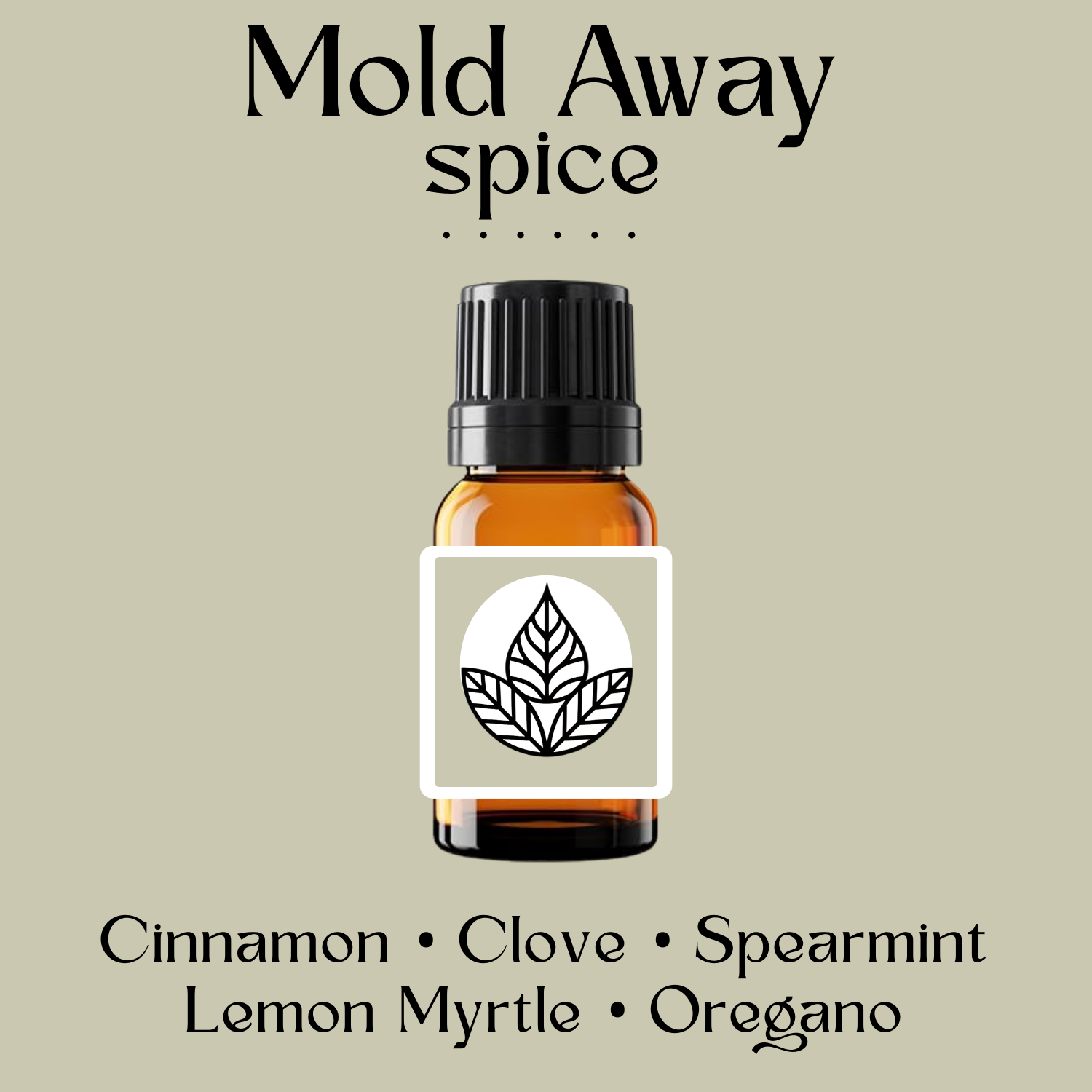
This potent blend is designed to help eliminate mold in your home, with a warm, spicy aroma. Use it on A/C filters, diffuse in your office or living space, or dilute in water as a spray.
It also helps neutralize odors, combat anaerobic bacteria and mildew, repel insects, and reduce the effects of insect bites from spiders and bees. Additionally, it is effective against candida albicans (body fungus or yeast infections).
Apply 2 drops to the body as needed, up to once per hour. Use a carrier oil for sensitive skin or to cover larger areas.
Formerly called Anti-Mold #1
Follow the Thread below to view previous Single Oil Spotlight Articles: