
Sage Essential Oil: A Practitioner’s Guide
Single Oil Spotlight
Plant Part & Extraction
Steam distilled from the leaves of the Common Sage plant (Salvia officinalis).
Sage is a bold, herbaceous botanical that has been treasured since ancient times as a symbol of wisdom, purification, protection, and longevity.
Its strong, fresh, camphoraceous aroma makes it a stimulating and cleansing oil, traditionally valued for supporting mental clarity, respiratory wellness, digestion, and emotional resilience.
Important: Common Sage (Salvia officinalis) is not the same plant as Clary Sage (Salvia sclarea). Their chemical compositions and safety profiles are different.
Properties of Sage Essential Oil
Traditionally described as:
• antibacterial
• anti-mutated cells
• anti-infectious
• antispasmodic
• antiseptic
• purifying
• expectorant
• stimulating
• cleansing
• mentally clarifying
Sage is particularly valued for its strong cleansing and purifying qualities.
Aromatic & Emotional Benefits
Aromatically, Sage is traditionally used to:
• clear negative energy
• encourage mental clarity
• support memory and concentration
• stimulate the conscious mind
• promote confidence
• encourage wise decision-making
• reduce feelings of mental fatigue
• support emotional resilience
• create a feeling of energetic cleansing
• encourage strength and discernment
Sage is often chosen when someone feels mentally foggy, overwhelmed, stagnant, or lacking clarity.
Its strong aroma can create a sense of freshness, strength, and renewed awareness.
Common Uses
Traditionally used for:
• respiratory support
• seasonal wellness
• sinus congestion
• mucus and congestion
• digestive support
• tired muscles
• tired joints
• natural cleaning
• odor control
• skin cleansing
• microbial balance
• mental fatigue
• meditation
• spiritual cleansing
• for menopause, or Clary Sage if younger for menstrual support
Sage is also frequently incorporated into natural household cleansing blends because of its strong purifying aroma.
French Medical Uses
Asthma
Bronchitis
Digestion
Gingivitis
Glandular Disorders
Lymphatic System
Menopause
Menstrual Irregularity
Night Sweats
Aromatic Profile
• strong
• herbaceous
• earthy
• camphoraceous
• fresh
• very spicy
• penetrating
Sage has a much stronger and more stimulating aroma than many of the gentler floral or citrus oils.
Historical Uses
Sage has been associated with wisdom and healing for thousands of years.
The botanical name Salvia comes from the Latin salvere, meaning “to be in good health” or “to heal.”
Throughout history, Sage has been valued as both a culinary herb and a medicinal plant.
It has traditionally been used in herbal preparations for digestion, respiratory wellness, cleansing, and general vitality.
Sage also developed an important place in spiritual and ceremonial practices. Burning or using aromatic herbs for purification has been practiced across many cultures, and Sage became particularly associated with clearing, protection, wisdom, and spiritual discernment.
Its reputation for wisdom is reflected in the old tradition of associating Sage with longevity and a healthy mind.
Esoteric & Energetic Uses
Sage is traditionally associated with:
Wisdom
• discernment
• clear thinking
• wise decision-making
• inner knowing
Purification
• clearing stagnant energy
• energetic cleansing
• protection
• creating a fresh environment
Strength
• confidence
• resilience
• personal power
• mental clarity
Sage can be particularly meaningful during meditation, prayer, or periods of transition when the intention is to release what no longer serves you and create space for greater clarity.
Astrological Association
Jupiter
Character
Yang
Element
Air & Fire
Number
7
Chakra Associations
6th Chakra — Third Eye
• intuition
• mental clarity
• discernment
• wisdom
• conscious awareness
3rd Chakra — Solar Plexus
• confidence
• personal power
• courage
• decision-making
Sage's traditional association with wisdom and discernment makes it especially fitting for the Third Eye, while its stimulating nature can also support Solar Plexus themes of confidence and personal strength.
Additional Practitioner Notes
Sage vs. Clary Sage
These oils should not be confused.
Sage — Salvia officinalis
Strong, herbaceous, camphoraceous, and high in naturally occurring thujone.
Clary Sage — Salvia sclarea (click to read Practitioner Guide on Clary Sage)
A different plant with a different chemical profile and generally gentler safety considerations.
Always verify the botanical name when purchasing or recommending either oil.
Contraindications & Safety
Common Sage essential oil contains naturally occurring thujone, so it should be used in low dilutions and with appropriate caution.
• Not recommended during pregnancy.
• Avoid during breastfeeding unless specifically directed by a qualified professional.
• Not recommended for young children.
• Avoid with epilepsy or seizure disorders.
• Use low dilutions.
• Avoid prolonged or excessive diffusion.
• Perform a patch test before topical use.
• Keep away from eyes and mucous membranes.
For everyday use, Clary Sage may be a gentler alternative when appropriate.
Source References
Information supplied from:
• The Reference Guide for Essential Oils by Connie and Alan Higley
• Healing Drops Wellness practitioner notes
• Traditional herbal and aromatherapy references
Healing Drops Wellness Blends & Sprays with Sage:

A deeply grounding blend for inner vision and multidimensional healing—physical, emotional, and spiritual. Root & Resin helps clear chaotic cellular memory, restore energetic balance, and strengthen your connection to Source and self.
Formerly called Deep Dark Bark
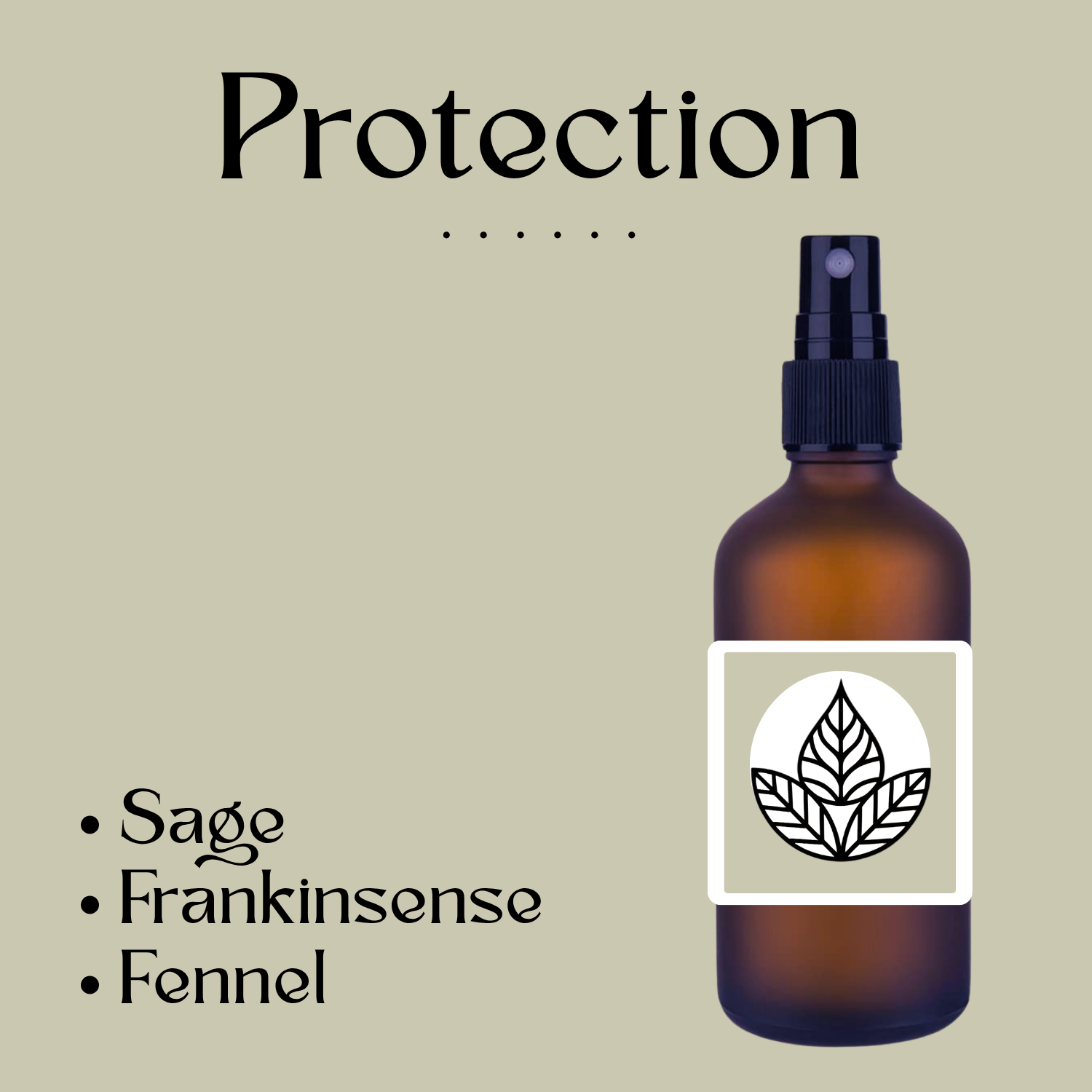
A purifying spray that clears negative energy and strengthens your personal boundaries. Use as a smokeless alternative to sage to cleanse your space or aura. Promotes confidence, clear communication, and energetic protection. (2 oz | 60 mL)
Chakras supported:
• 5th — Throat
Follow the Thread below to view previous Single Oil Spotlight Articles: