Rosemary Essential Oil: A Practitioner’s Guide
Plant Part & Extraction
Steam distilled from the fragrant leaves and flowering tops of the Rosemary plant (Rosmarinus officinalis).
Native to the Mediterranean region, Rosemary has been treasured for thousands of years as both a culinary herb and medicinal plant. Revered by ancient Egyptians, Greeks, and Romans, it became a universal symbol of remembrance, protection, vitality, and clear thinking.
Its fresh, herbaceous, camphoraceous aroma has made Rosemary one of the most recognized and widely used essential oils in aromatherapy.
Properties of Rosemary Essential Oil
Traditionally described as:
• analgesic
• antibacterial, antifungal, anti-inflammatory
• antioxidant
• anti-catarrhal (supports thinning mucus)
• anti-infectious
• expectorant
• immune stimulating
• invigorating
• restorative
Aromatic & Emotional Benefits
Traditionally used to:
• stimulate memory
• improve concentration
• increase alertness
• uplift mental fatigue
• encourage confidence
• open the conscious mind
• inspire motivation
• support clear decision-making
Rosemary is frequently chosen when brain fog, fatigue, sluggish thinking, or lack of motivation are present.
Common Uses
Traditionally used for:
• alcoholism
• arthritis
• autism
• arteriosclerosis
• bronchitis
• cellulite
• cholera
• chills
• colds
• constipation
• colitis
• cramps, muscle
• cystitis
• dandruff
• diabetes
• digestive upset
• fatigue
• flu
• hair loss
• headaches
• immune support
• mental fatigue
• nervous exhaustion
• palpitations
• respiratory support
• sinus congestion
• viral hepatitis
French Medical Uses
French physicians—recognized as leaders in medical aromatherapy—have traditionally used Rosemary to support:
• arthritis
• low blood pressure
• bronchitis
• cellulite
• cholera
• colds
• dandruff
• depression
• diabetes
• fatigue
• flu
• fluid retention
• hair loss
• headaches
• irregular menstrual cycles
• sinusitis
• tachycardia
• vaginitis
• viral hepatitis
Aromatic Profile
• fresh
• herbaceous
• camphoraceous
• woody
• penetrating
• stimulating
Historical Uses
For centuries Rosemary has symbolized remembrance.
Ancient Greek scholars wore rosemary garlands while studying because it was believed to improve memory and concentration.
The herb appears throughout history—from ancient Egypt to medieval Europe—as a symbol of loyalty, remembrance, and protection.
Wedding couples traditionally carried Rosemary to remember their sacred vows, while mourners placed sprigs upon coffins and graves to honor loved ones.
During the Middle Ages, Rosemary was burned inside homes to help cleanse the air and ward off illness during times of plague.
One of its most famous literary references comes from Shakespeare's Hamlet, where Ophelia says:
"There's rosemary, that's for remembrance."
Modern research continues investigating Rosemary's compounds for their potential roles in supporting memory, healthy brain function, and overall wellness.
Esoteric & Energetic Uses
Astrological Association
Sun
Character
Yang
Element
Fire & Light
Number
6
Crystals
Quartz Crystal
Sugilite
Chakra Associations
3rd Chakra — Solar Plexus
• confidence
• willpower
• motivation
4th Chakra — Heart
• courage
• emotional strength
6th Chakra — Third Eye
• intuition
• mental clarity
• wisdom
Additional Practitioner Notes
Rosemary is one of the most popular essential oils for supporting memory and concentration.
Many practitioners recommend applying 1–2 diluted drops to the temples while studying or working to encourage mental alertness.
It is also widely used in natural hair care. Diluted Rosemary massaged into the scalp may help support healthy circulation and encourage fuller-looking hair.
Contraindications
• Avoid during pregnancy.
• Do not use with epilepsy.
• Avoid with uncontrolled high blood pressure.
• Not recommended for children under 6.
• Use cautiously with children over 6.
Healing Drops Wellness Rosemary Blends & Sprays:
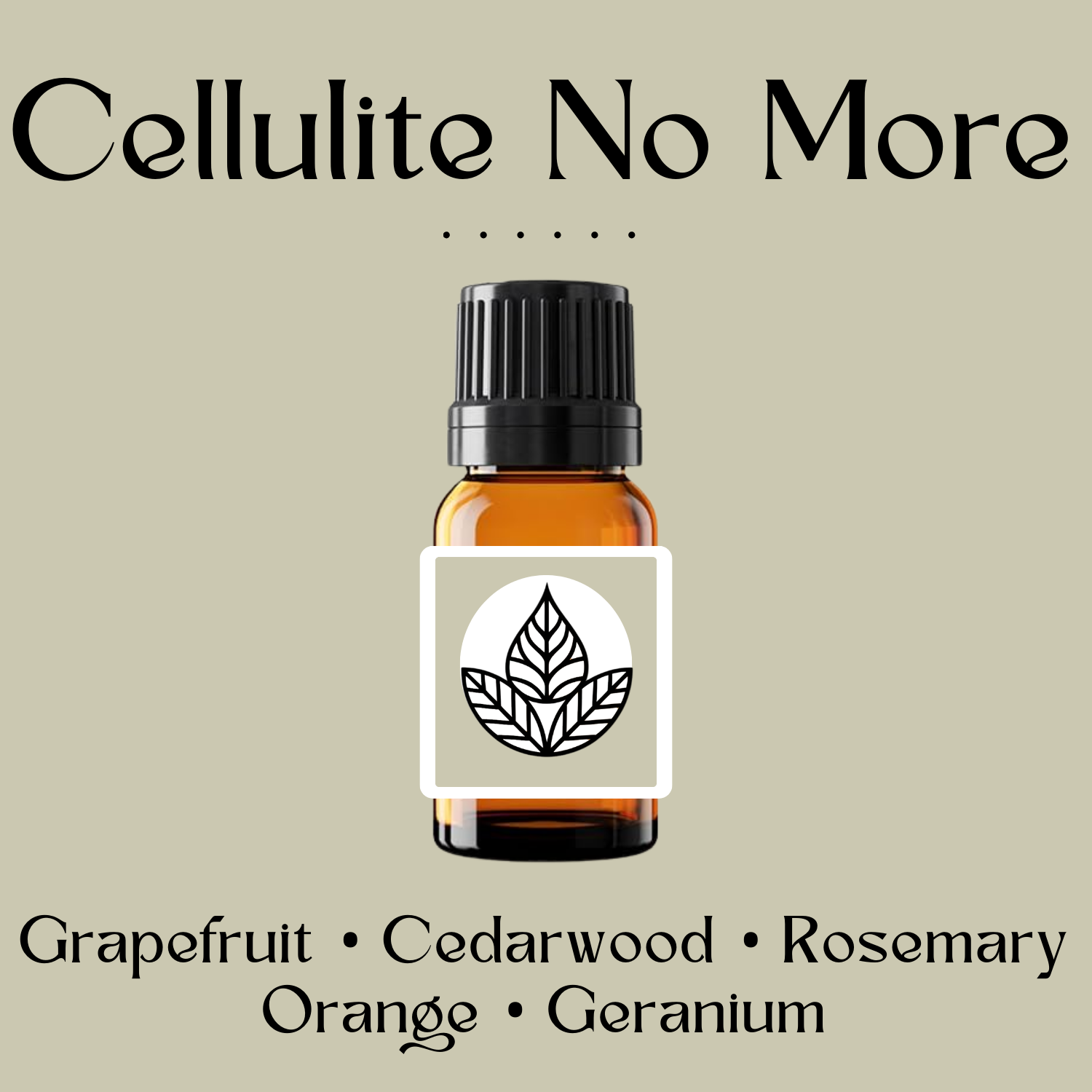
This blend may be applied with a carrier oil to targeted areas, used as a scrub when combined with Epsom salts and botanical soap, or added directly to a bath. It is designed to support changes in the appearance of cellulite by supporting circulation.
Use 1–2 drops per affected areas.
Formerly called Anti-Cellulite
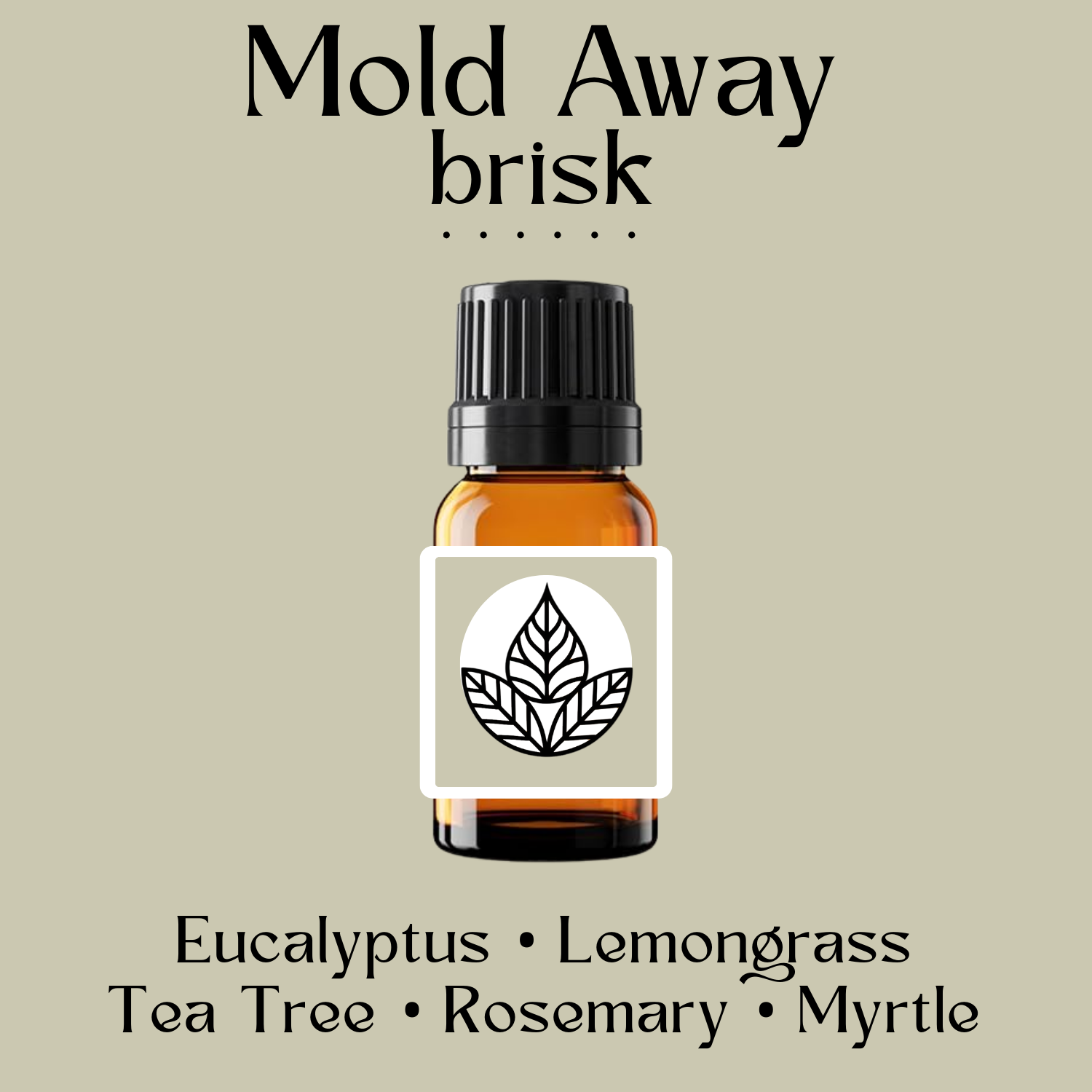
This effective blend targets mold in your home, with a bright, fresh aroma. Apply to A/C filters, diffuse in your home or office, or mix with water for a spray.
In addition to mold removal, it helps fight odors, anaerobic bacteria, and mildew, repels insects, and minimizes reactions from bites by spiders or bees. It is also effective against candida albicans (body fungus or yeast infections).
Apply 2 drops to the body as needed, up to once per hour. Use a carrier oil for sensitive skin or for broader application.
Formerly called Anti-Mold #2
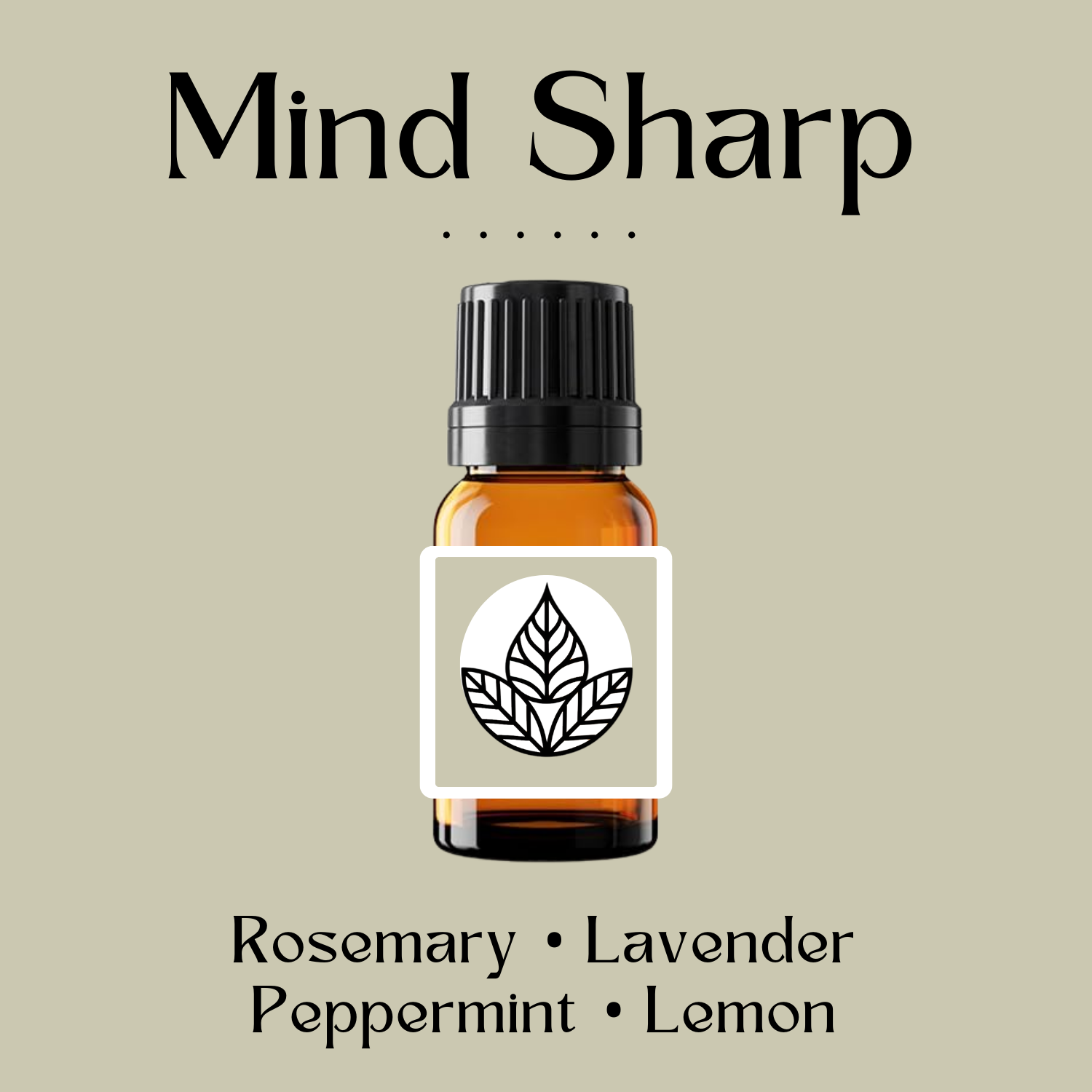
A refreshing blend designed to awaken mental clarity, improve focus, and support memory. Ideal for work, study, or when your mind feels foggy. Apply 1-2 to temples and the back of the neck throughout the day, or diffuse to stimulate the brain and support alertness. Also helpful for allergy-related brain fog. Reapply hourly, if needed.
Formerly called Focus and Memory
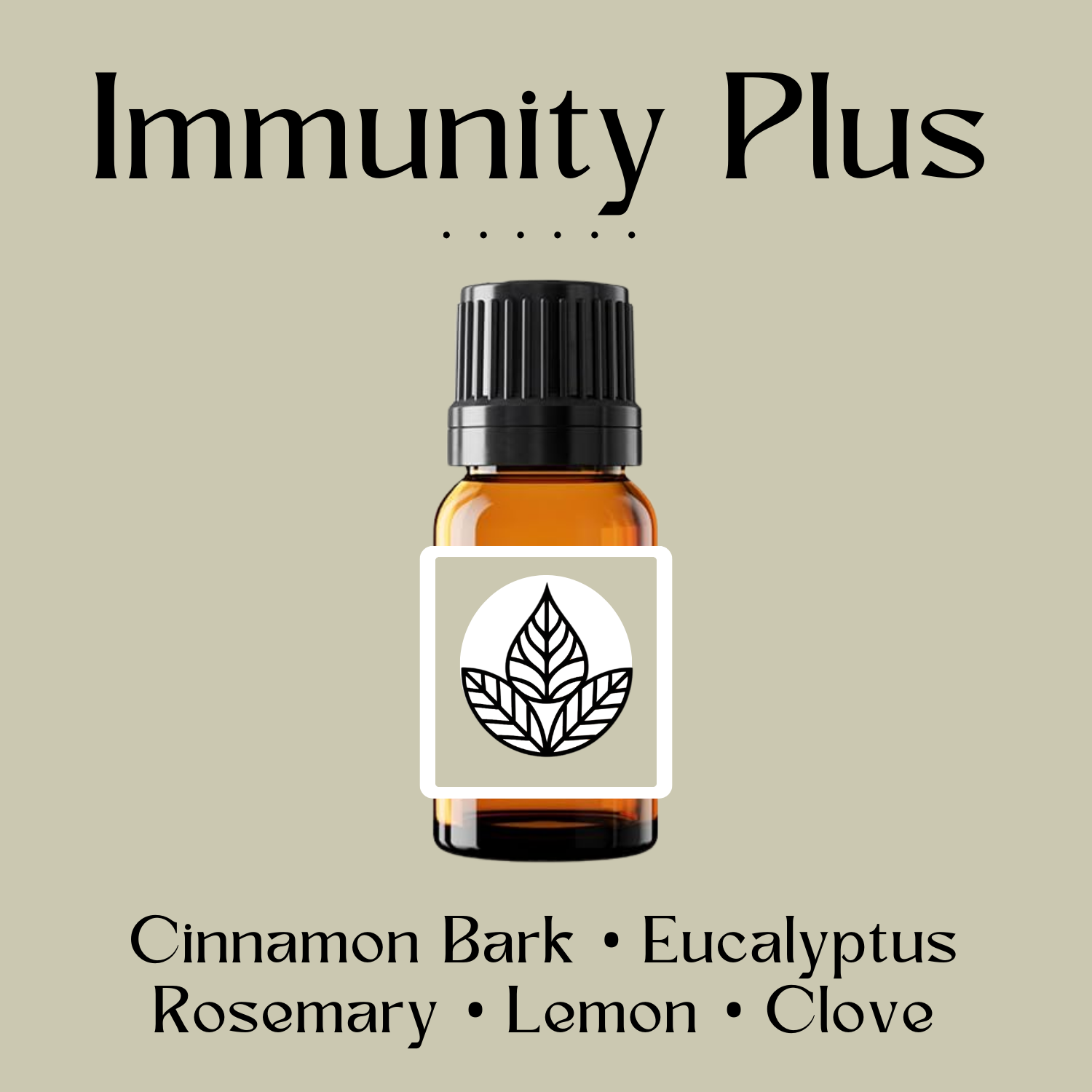
A powerful immune defense blend that strengthens your body’s natural protection and helps fight off viruses and bacteria. Use at the first sign of illness or as a daily shield—apply to the throat with carrier oil, place a drop in the mouth, diffuse, or breathe deeply to stay fortified. Inspired by a time-tested recipe from the Archives of the London Library and commonly known as Thieves.
Formerly called Immune Shield
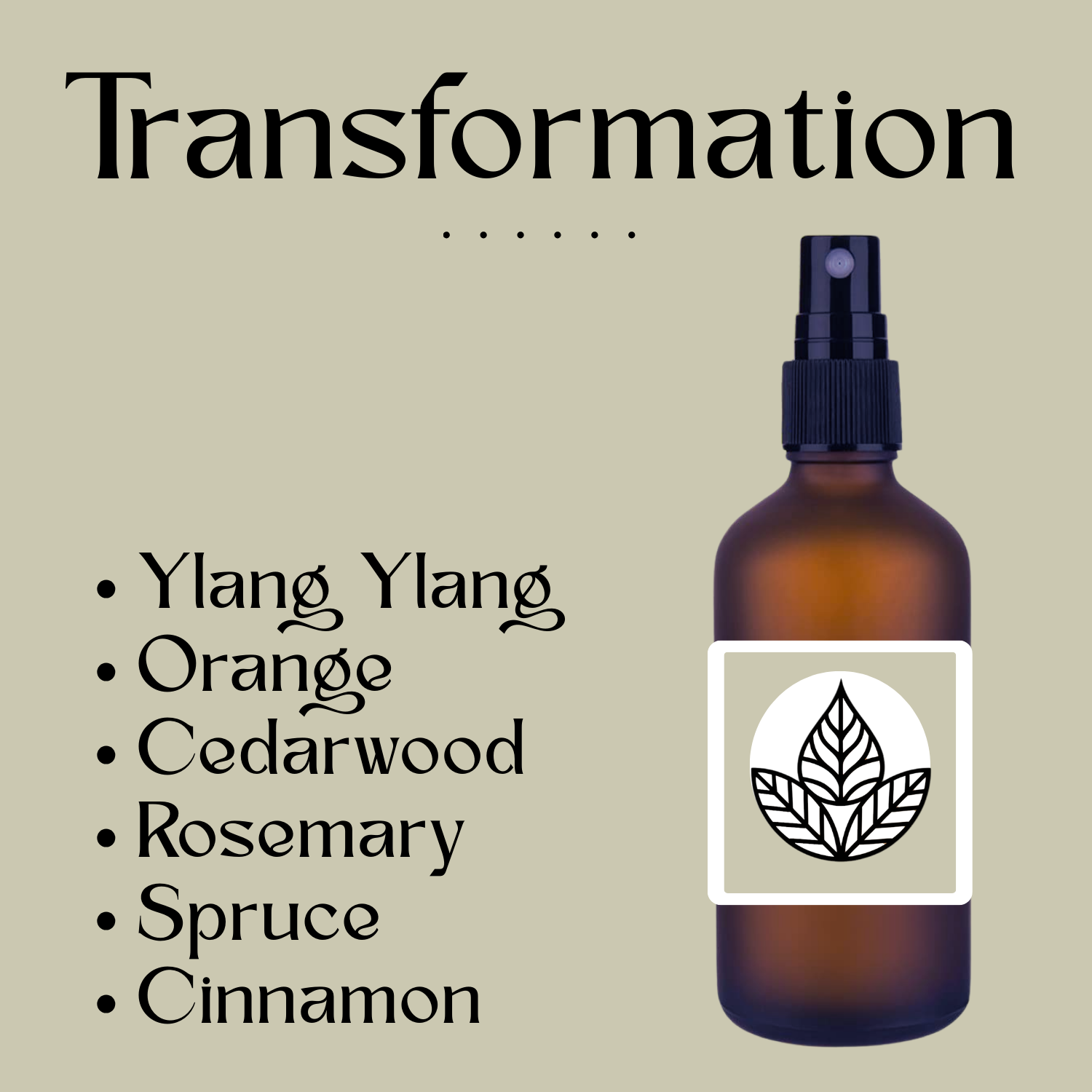
A powerful spray designed to support and accelerate life changes. Opens and balances key energy centers to help you release old patterns and step confidently into your highest potential. (2 oz | 60 mL)
Chakras supported:
• 7th — Crown
• 3rd — Solar Plexus
• 2nd — Sacral
• 1st — Root
Formerly called Transform
Follow the Thread below to view previous Single Oil Spotlight Articles: