Oregano Essential Oil: A Practitioner’s Guide
Plant Part & Extraction
Species: Origanum vulgare
Plant Part: Steam distilled from the leaves and flowering tops.
Oregano essential oil is a powerful, herbaceous oil known for its strong, spicy aroma and long history of traditional use. Rich in naturally occurring compounds such as carvacrol and thymol, it has been widely used in aromatic wellness practices for immune support, purification, and seasonal wellness.
Traditionally, oregano has been valued for its cleansing, strengthening, and protective qualities, both physically and emotionally.
Properties of Oregano Essential Oil
• antibacterial
• antifungal
• antiparasitic
• antiseptic
• antiviral
• antispasmodic
• immune stimulating
Aromatic & Emotional Benefits of Oregano Essential Oil
Traditionally described as:
• strengthening one's feeling of security
• promoting resilience and inner strength
• creating a sense of protection and grounding
Oregano carries a strong, herbaceous aroma that is often associated with strength, purification, and support during challenging times.
Common Uses for Oregano Essential Oil
Traditionally used for:
• calluses
• candida
• carpal tunnel support
• intestinal parasites
• pneumonia
• sore throats
• staph/MRSA support
• viral infections
• warts
French Medicinal Uses of Oregano Essential Oil
(French medical doctors are considered highly advanced in the traditional use of essential oils.)
Traditionally used for:
• asthma
• chronic bronchitis
• pulmonary concerns
• tuberculosis
• chronic rheumatism
• whooping cough
• mental health support
Research & Traditional Aromatherapy References
In the three-volume French work Traité de Phytothérapie et d'Aromathérapie, oregano essential oil was identified among the most effective oils tested against various microorganisms, including:
• Proteus
• Staphylococcus
• Streptococcus
• Pneumococcus
• Neisseria species
• Corynebacterium xerosis (diphtheria)
Source: Dr. Kurt Schnaubelt, Advanced Aromatherapy
Historical Uses of Oregano
Oregano has a long history dating back thousands of years.
Historical records trace its use as far back as 3000 BC among the Assyrians. During Greek and Roman times, oregano became one of the most valued herbs for both wellness and daily life.
The name oregano comes from the Greek words:
oros = mountain
ganos = joy
Together meaning:
"Joy of the Mountains."
Oregano is believed to have originated on the mountainsides of Greece, Italy, and other Mediterranean regions.
Traditional historical uses included:
• headache support
• respiratory support
• insect and scorpion bites
• antiseptic applications
• massage oils
• preservation
Ancient philosopher Aristotle reportedly observed tortoises eating oregano after encounters with snakes, leading to its traditional association with snakebite support.
Hippocrates, often called the "Father of Western Medicine," regularly used oregano for respiratory and digestive concerns and recognized its antiseptic qualities.
Beyond medicinal use, oregano played important cultural and spiritual roles:
• included in Greek and Roman wedding crowns
• planted near graves during the Middle Ages
• carried as a good luck charm
• used in traditional rituals for happiness and tranquility
• planted around homes for protection
The Romans spread oregano throughout their empire, introducing it into Northern Africa and beyond.
By the Medieval period, oregano had reached China via the spice trade and became a respected medicinal herb there as well.
In the United States, oregano did not become widely popular until returning soldiers from World War I developed a taste for it overseas. The pizza boom of the 1940s and 1950s permanently established oregano as a household herb across America.
Source: Sally's Organics
Esoteric & Energetic Uses of Oregano Essential Oil
Astrological Association
Mercury
Character
Yang
Element
Air
Number
9
Chakra Association
4th Chakra — Heart
Associated with:
• giving love
• receiving love
• emotional openness
• compassion
Other Antiviral Essential Oils
Traditionally used during times of seasonal wellness challenges:
• Thyme
• Lemon
• Eucalyptus
• Tea Tree
• Cinnamon
• Clove
• Myrrh
• Ravensara
• Hyssop
• Sage
Safety & Contraindications
• not for children under 6 years old
• use caution for children over 6
• very irritating to the skin
• always dilute with a carrier oil before topical use
• if used internally, traditional recommendations suggest combining with a healthy fat such as coconut oil to help protect mucosal tissues
Oregano is considered one of the "hotter" essential oils and should always be used thoughtfully and carefully.
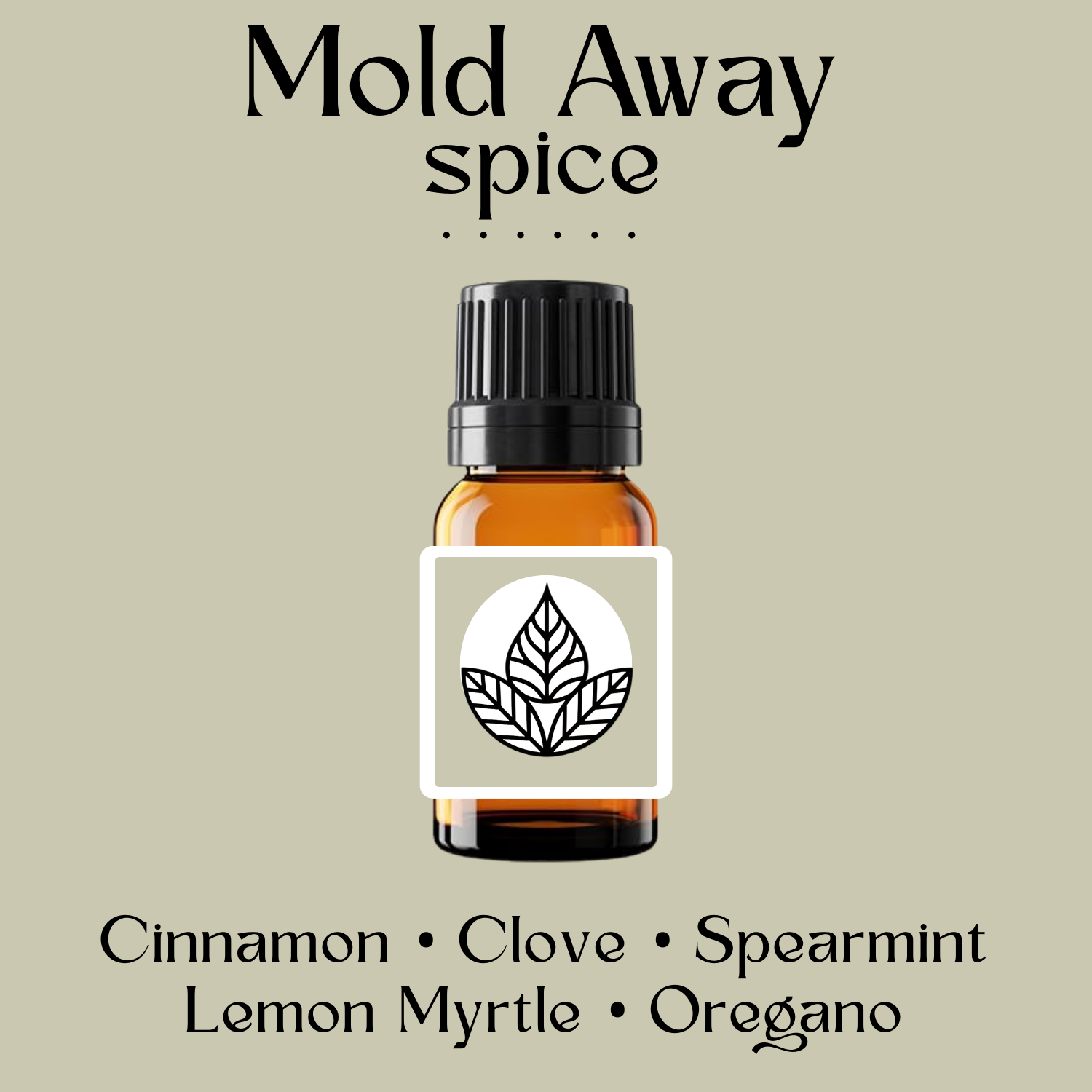
This potent blend is designed to help eliminate mold in your home, with a warm, spicy aroma. Use it on A/C filters, diffuse in your office or living space, or dilute in water as a spray.
It also helps neutralize odors, combat anaerobic bacteria and mildew, repel insects, and reduce the effects of insect bites from spiders and bees. Additionally, it is effective against candida albicans (body fungus or yeast infections).
Apply 2 drops to the body as needed, up to once per hour. Use a carrier oil for sensitive skin or to cover larger areas.
Formerly called Anti-Mold #1
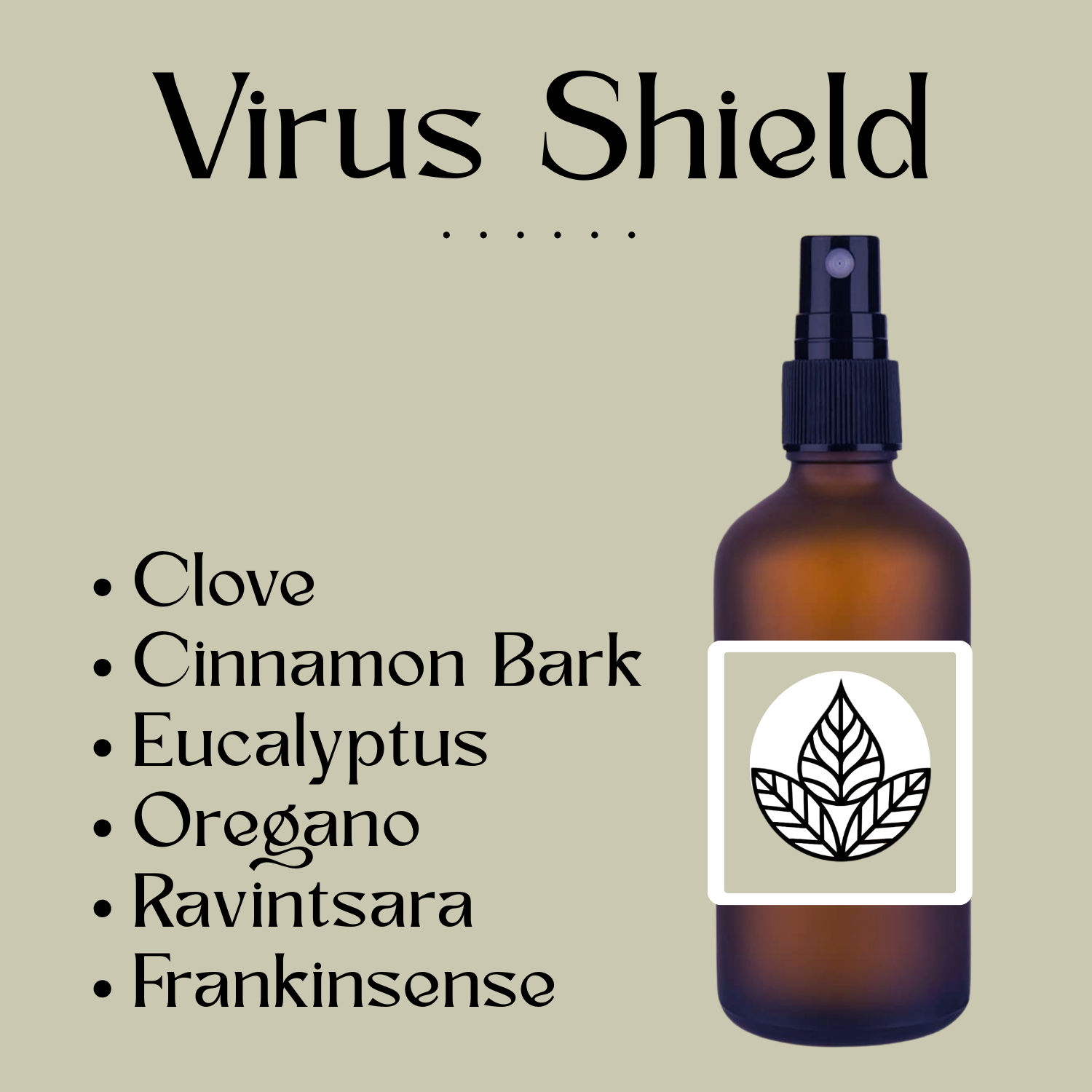
A potent antiviral spray that helps cleanse the air around you—perfect for your pillow, hotel rooms, or any space needing extra protection. Supports clear communication and expression by opening the throat chakra. (2 oz | 60 mL)
Chakras supported:
• 5th — Throat
Formerly called Anti-Viral
Follow the Thread below to view previous Single Oil Spotlight Articles: