Overview
From nature to bottle: Cold-pressed from the fresh rind (peel) of the Bergamot fruit (Citrus bergamia).
Cold pressed from the peel/rind of the Bergamot orange (Citrus bergamia).
Bergamot essential oil is one of the most beloved citrus oils in aromatherapy and natural perfumery, known for its uplifting aroma and unique ability to calm while simultaneously energizing.
One hundred bergamot oranges yield approximately three ounces (85 grams) of essential oil.
Bergamot is also famously known as the signature aroma found in Earl Grey Tea.
Because our oil is completely free of bergapten (the naturally occurring furocoumarin responsible for phototoxicity in standard expressed oils) it offers pure, worry-free support.
Properties of Bergamot Essential Oil
Traditionally described as:
• antibacterial
• anti-infectious
• anti-inflammatory
• antioxidant
• antiseptic
• antispasmodic (powerful)
• antiviral
• decongestant (veins, arteries, lungs, prostate)
• stimulant
• uplifting
• anti-catarrhal (thins mucus)
• antidepressant
• energizing
• restorative
Aromatic & Emotional Benefits
Aromatically, Bergamot is traditionally used to:
Uplift emotional heaviness and turn grief into joy: Melts away deep sorrow, depression, and grief while providing emotional renewal, introducing a sunny, comforting, and heart-opening presence that restores peace to the soul.
Calm nervous tension, agitation, and anxiety: Dissolves stress and eases insomnia by anchoring a profound emotional balance, acting as a soothing balm that quiets a restless spirit and brings deep tranquility.
Clear thoughts that fool us and banish emotional fatigue: Sharpens mental clarity by dispelling internal illusions and fatigue, offering a rejuvenating attunement to angelic energy that opens the heart to attracting success.
Bergamot is known to turn grief into joy!
Common Uses
-
• Calms anxiety
• Eases clinical depression
• Overcomes stubborn insomnia
• Regulates erratic appetite -
• Soothes bronchitis
• Soothes coughs
• Soothes irritated lungs
• Relieves acute tonsillitis
• Comforts a hoarse voice
• Breaks elevated fevers
• Cleanses acne
• Cleanses oily skin
• Targets cold sores
• Targets boils
• Calms eczema
• Calms psoriasis
• Eases cystitis discomfort
• Alleviates painful gallstones
• Clears internal thrush
• Calms physical stress -
• Dispels intense grief
• Lifts profound sorrow
• Comforts individuals with autism -
• Neutralizes highly contagious scabies
• Purifies and clarifies stagnant air
• Eliminates lingering cooking odors
• Creates a grounded, intentional atmosphere
• Neutralizes heavy bathroom humidity
History
Origins & Symbolism
Bergamot is the official symbol of Reggio di Calabria, Italy, where a perfect coastal microclimate yields over 80% of the world’s supply. The fruit is believed to have originated in India or arrived via Christopher Columbus through the Canary Islands. Historically, Italians relied on it to break fevers, fight malaria, and expel worms. Today, smaller crops thrive in France and Côte d'Ivoire for oil, Turkey for marmalade, and Mauritius for fresh juice.
Perfumery & Culture
The bitter fruit is inedible on its own, so production focuses entirely on the rind. It requires one00 oranges to extract just three ounces of oil. First recorded in the Farina Archives in 1714, it became the foundation of the original German Eau de Cologne and remains a luxury staple inside half of women's and one-third of men's perfumes. Globally, it flavors Earl Grey tea, Turkish desserts, and Scandinavian snus. To stop wartime counterfeits made from sweet lime, Italy established the Stazione Sperimentale in Calabria to enforce strict purity testing standards.
Advanced French Applications
Early French medical traditions heavily utilized the botanical to care for the mind and body. Practitioners used the aroma to calm agitation, ease stress, alleviate depression, and quiet stubborn insomnia. Internally, it helped stimulate appetite, soothe indigestion, and target parasites. Its natural purifying properties also made it a frequent historical choice to combat infections, cool inflammation, repel insects, and relieve the deep physical discomfort of rheumatism.
Esoteric & Energetic Properties
Astrological Association
Sun
Character
Yang (mild)
Element
Fire
Number
2
Crystals
Watermelon Tourmaline — turning grief into joy, opening the heart emotionally, and softening heavy, sluggish moods to invite a sudden sense of internal brightness and emotional renewal.
Citrine — transmuting lingering fatigue into joy, manifesting sunny prosperity, and radiating emotional renewal to clear sluggish thoughts.
Yellow Jasper — easing situational anxiety, channeling steady protection, and anchoring personal power to dissolve heavy stress.
Sunstone — instilling a sudden sense of internal brightness, clearing heavy mood filters, and restoring a vibrant, optimistic outlook.
Clear Quartz — amplifying deep purification, clearing blocks, and intensifying healing intentions to quiet overactivity.
Green Aventurine — comforting the heart space, dissolving stagnant emotional blockages, and inviting an immediate sense of peace.
Fluorite — quietening mental hyperactivity, clearing chaotic thoughts, and anchoring intellectual focus to maintain an open mind.
Chakra Associations
3rd Chakra — Solar Plexus
• building unwavering personal power and confidence
• igniting a strong sense of purpose and motivation
• overcoming deep exhaustion, stagnation, and fear
• stepping firmly into leadership and individual sovereignty
• instilling resilience and internal strength
4th Chakra — Heart
• Expanding the chest to encourage deep, restorative breathing.
• Dispelling cold or protective armor to invite emotional openness.
• Dissolving stagnant blockages to restore fluid energetic harmony.
• Restoring optimism and a buoyant, positive outlook.
• Pacifying inner anger and emotional exhaustion.
5th Chakra — Throat
• delivering dynamic, decisive communication
• speaking with authority and passionate conviction
• dispelling fear of judgment or public speaking
• clearing energy channels for clear and energetic expression
• cutting through vocal hesitation to reveal the true inner spirit
Acupuncture Points
LIV-3 & GB-34
Additional Practitioner Notes
Bergamot is often considered one of the most emotionally restorative citrus oils.
It is frequently chosen during times of:
grief
emotional heaviness
discouragement
nervous exhaustion
emotional stagnation
Many practitioners regard Bergamot as a bridge between emotional comfort and renewed joy.
Its bright yet calming aroma makes it a favorite in:
emotional wellness blends
natural perfumery
meditation blends
heart-centered practices
stress support formulas
Contraindications & Safety
* Not for high blood pressure or pregnancy.
* Use on skin with carrier oil (if sensitive skin or on child).
* Do not go into direct sun after applying (3 days).
Source References
Information supplied from:
The Reference Guide for Essential Oils by Connie and Alan Higley
Healing Drops Wellness practitioner notes
Healing Drops Wellness Bergamot Blends & Sprays with Bergamot:
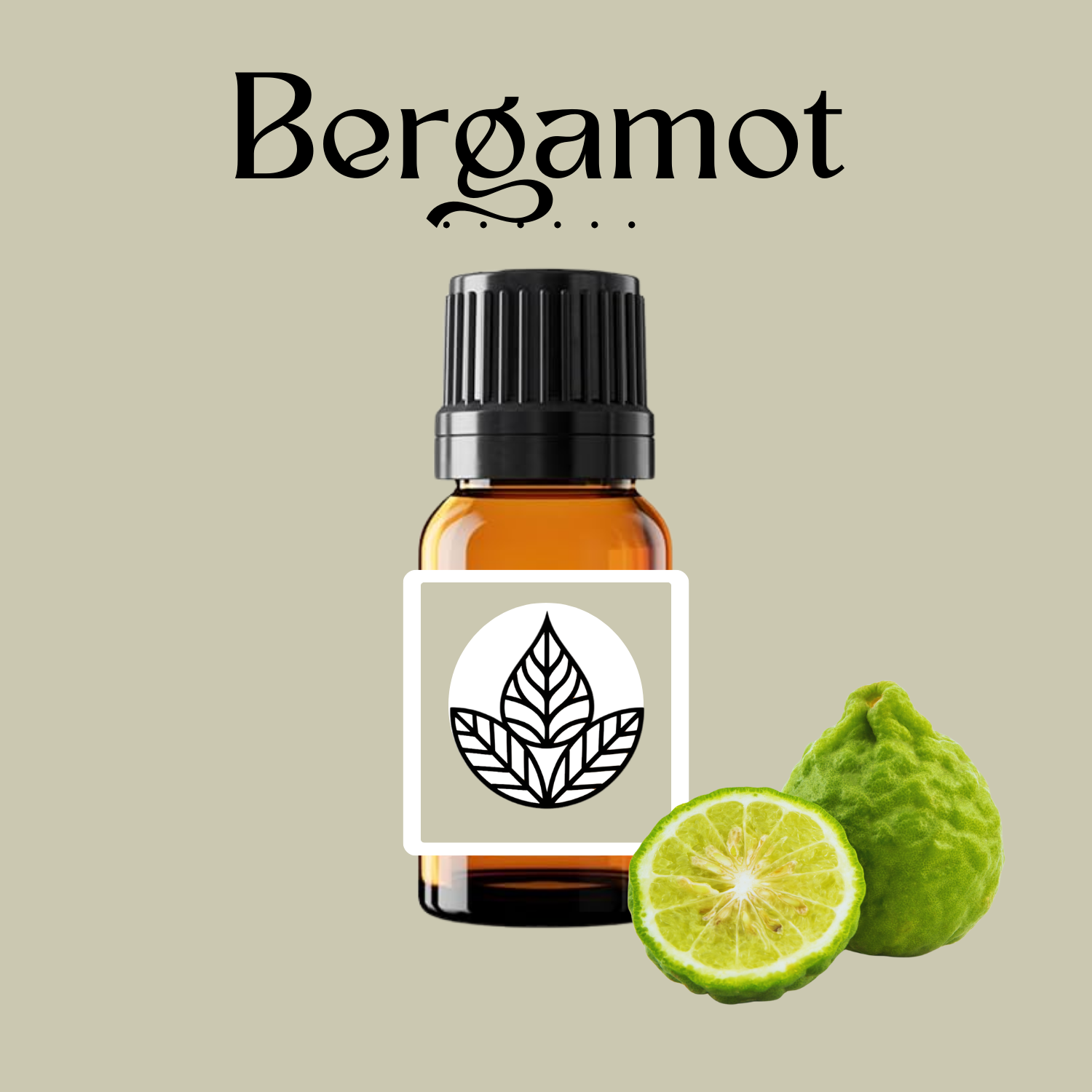
Citrus bergamia
Cold pressed from peel (bergaptene-free). Italy.
Main Benefits: Eases anxiety, soothes eczema, and lifts emotional heaviness.
Aroma: Fresh, citrusy, and slightly floral with a soft sweetness.
Perfect for: Shifting from grief to joy and calming nervous tension.
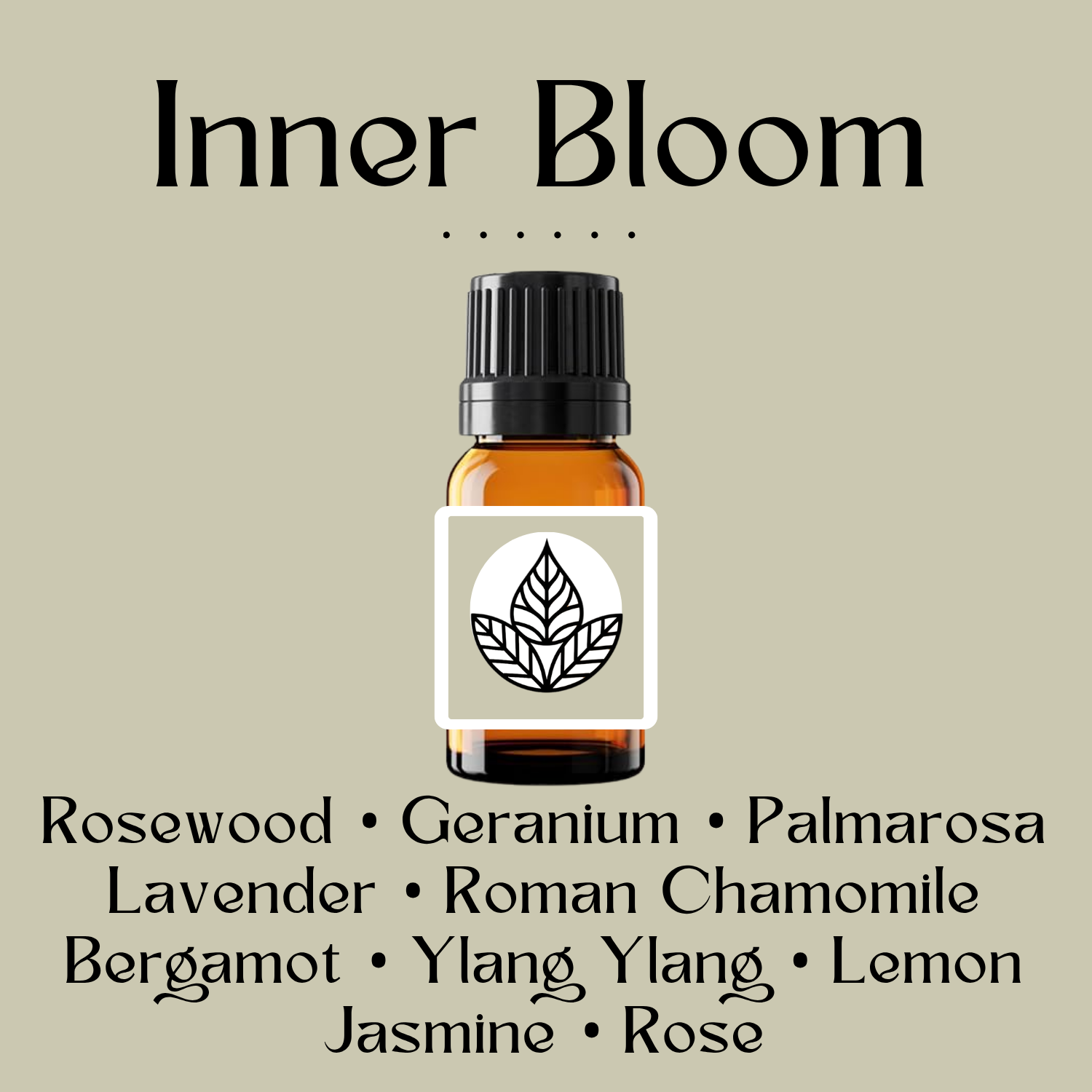
A gentle, nurturing blend that promotes calm, emotional healing, and heart-centered connection. Perfect for mothers and babies, mothers-to-be, or anyone reconnecting with their inner child. Encourages serenity, self-love, and the blossoming of new beginnings. Apply to body, add to lotions, or diffuse. Excellent for skin cell renewal and stretch marks.
Formerly called Inner Child
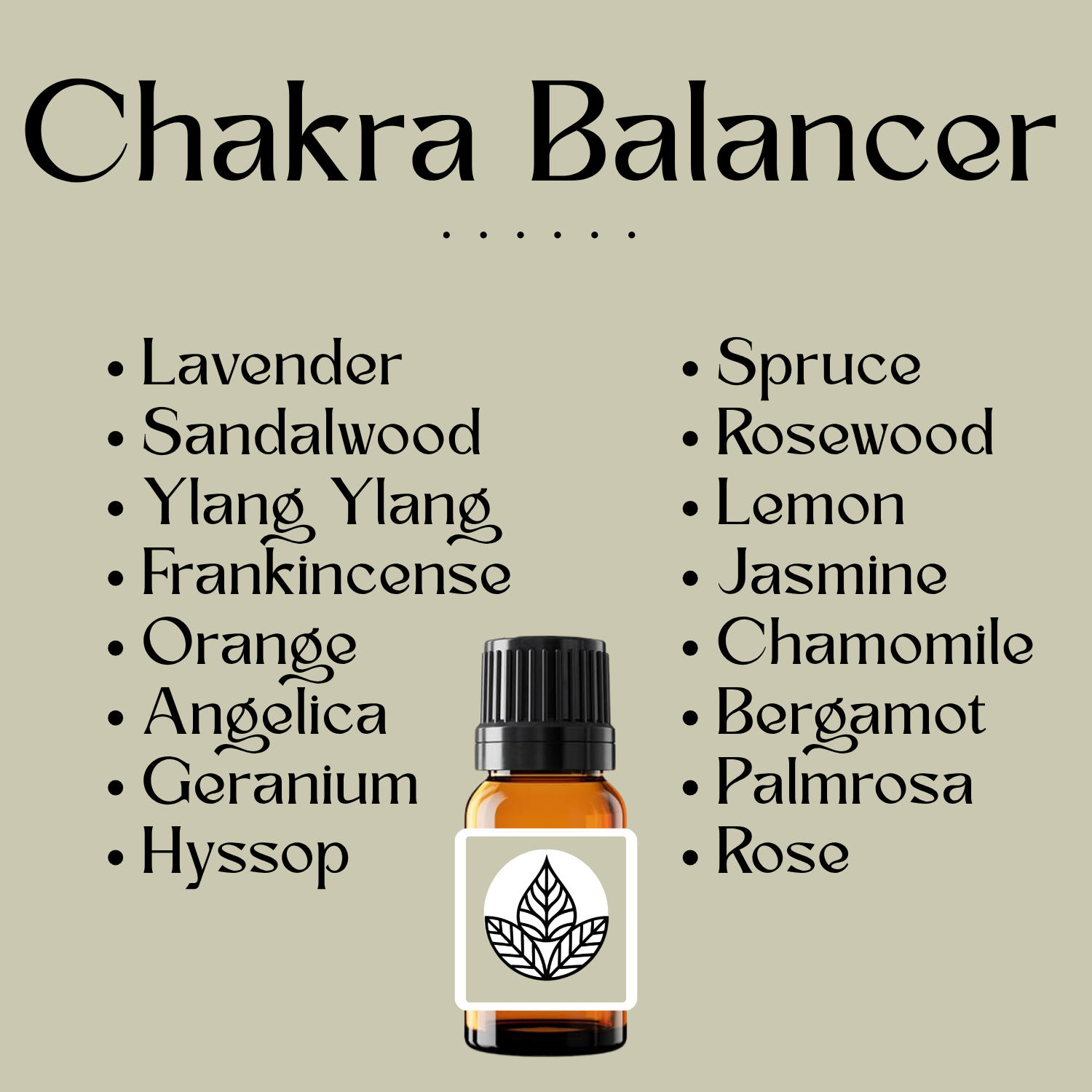
A deeply exotic, uplifting blend that creates emotional harmony, supports feelings of confidence and clarity, and helps balance all chakra energy centers.
Diffuse it to create a serene, uplifting atmosphere, perfect for meditation, yoga, or anytime you want to restore calm and clarity. This powerful combination of 16 oils was created by naturopathic doctor to balance all chakras (energetic centers), supporting emotional wellness and inner harmony.
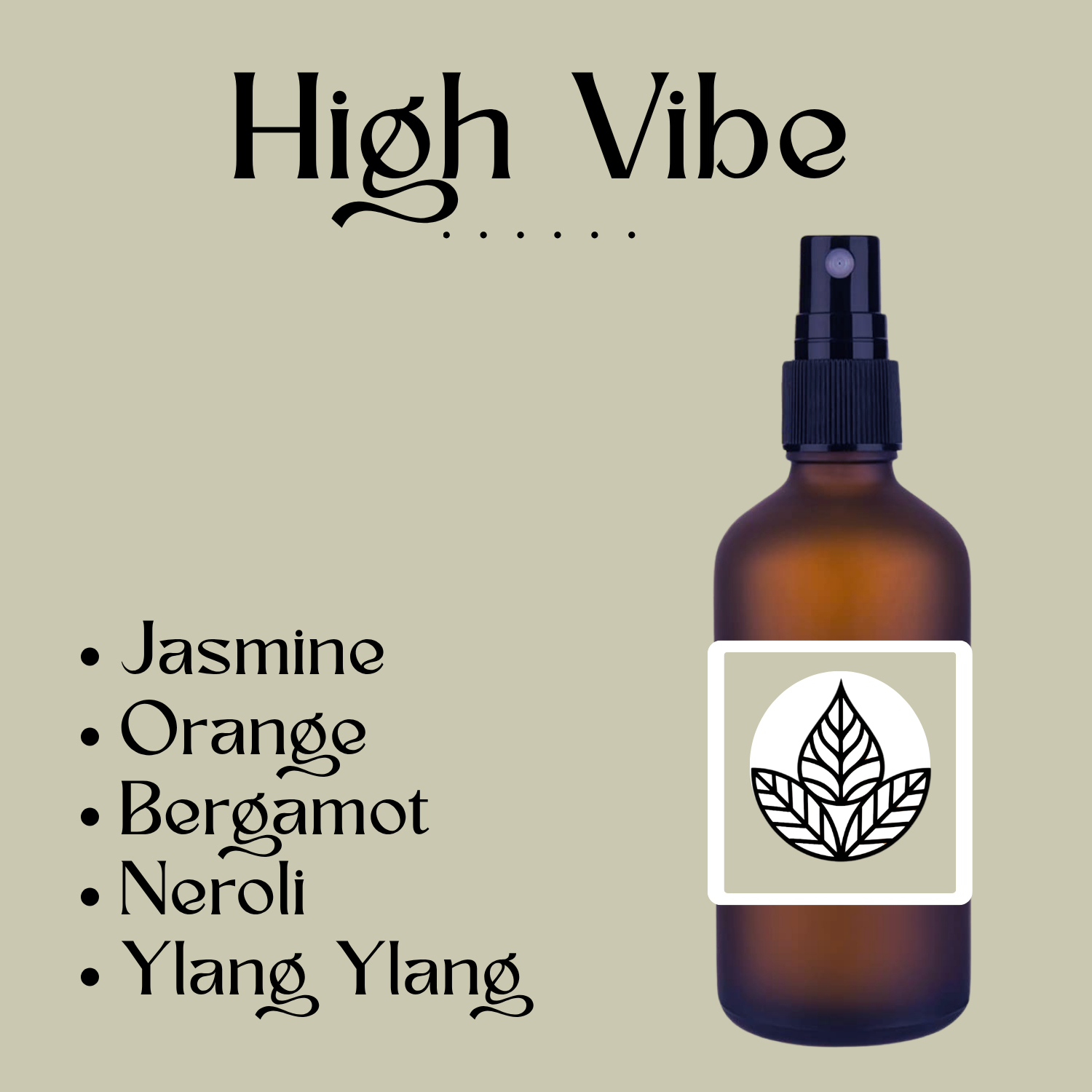
A radiant, mood-elevating spray that raises your energetic frequency and opens you to joy, love, and divine connection. Inspires sensuality and spiritual clarity while soothing the emotions and uplifting the spirit. (2 oz | 60 mL)
Chakras supported:
• 6th — Third Eye
• 7th — Crown
Formerly called Uplift
Follow the Thread below to view previous Single Oil Spotlight Articles: